

The Apothecary
Quercetin in South Africa: Immune Support Guide
Quercetin guide for South African shoppers: immune support basics, forms, safety checks and One Life product picks.
Quercetin in South Africa: The Immune Supplement Worth Knowing (2026 Guide)
By One Life Health Consultant · Written for South African shoppers, June 2026
Not sure which one?
Get a quick product pick
Your match
Need a hand?
Find the right supplement faster
Browse the relevant range or ask our team for a quick recommendation.
The short answer
Quercetin is a plant flavonoid that has quietly become one of the most-asked-for immune and anti-inflammatory supplements in South Africa, especially through the winter months. It works best paired with vitamin C or bromelain, which improve its absorption. For an immune-season pick that already includes vitamin C, the SOLGAR Quercetin Complex with Ester-C Plus 100 Vegetable Capsules at R529.00 is the most complete formula on the shelf. For a locally-made, affordable everyday option, the VIVID HEALTH Immune Quercetin Complex 60 Capsules at R285.20 is the best value. For a budget high-dose, the GENOLOGIX Quercetin 750mg 60 Veg Capsules at R250.00 is the cheapest effective entry point. None of these products cure, treat or prevent any disease, including colds, flu or COVID — please speak to your GP before starting any supplement if you are pregnant, on chronic medication, or managing a health condition.
Table of contents
- What does quercetin actually do?
- Why is quercetin worth knowing in 2026?
- The forms on the shelf, and the absorption problem
- Which quercetin fits you?
- Product comparison: what we actually stock
- A closer look at each option
- What should you check before adding to cart?
- Store-floor notes from our consultants
- Safety, dosing and when to see a clinician
- FAQ
- Related reading from One Life
- References
What does quercetin actually do?
Quercetin is a flavonoid — a natural plant pigment — found in onions, apples, capers, red grapes, berries and green tea. It is one of the most-studied flavonoids in human nutrition, with research stretching back decades. In the body, it acts as an antioxidant, an anti-inflammatory, and a mast-cell stabiliser, which is the property that links it to both allergy support and immune modulation.
The mast-cell angle is the interesting one. Mast cells release histamine — the chemical behind the runny nose, itchy eyes and congestion of an allergic response. Quercetin appears to slow that histamine release, which is why it is often grouped with natural allergy supports. Its antioxidant and anti-inflammatory roles, meanwhile, are why it became a talking point during the respiratory-illness seasons of recent years, frequently studied alongside vitamin C and zinc.
The honest position: quercetin has real, well-documented biological activity, and a solid evidence base as an antioxidant and anti-inflammatory. The bigger claims — that it prevents or treats specific infections — are not established, and any product implying otherwise is overreaching. This guide sticks to what is reasonable.
Why is quercetin worth knowing in 2026?
- Winter immune season in South Africa. June and July are the peak of the SA cold-and-flu season, and quercetin is one of the supplements customers increasingly ask for alongside vitamin C, zinc and vitamin D.
- The allergy crossover. Quercetin's mast-cell-stabilising property makes it popular with hay-fever and allergy sufferers, particularly heading into the spring pollen season later in the year.
- It pairs naturally with what people already buy. Quercetin is most effective alongside vitamin C and bromelain, both of which improve its absorption — so it slots neatly into an existing immune stack rather than replacing anything.
- Cardiovascular interest. Some research has looked at quercetin's effect on blood pressure and vascular health at higher doses. The evidence is preliminary but has kept the ingredient in the conversation beyond just immunity.
- It is under-explained. Most shoppers have heard the name but cannot say what quercetin does or how to take it properly. That gap is exactly what this guide is for.
The forms on the shelf, and the absorption problem
Quercetin's main weakness is bioavailability — on its own, it is poorly absorbed. The forms and combinations on the shelf are largely attempts to solve that.
- Plain quercetin (quercetin dihydrate). The most common and most affordable form. Absorbed modestly on its own; works better taken with food and alongside vitamin C.
- Quercetin + vitamin C formulas. Vitamin C helps recycle and stabilise quercetin, and the two are natural partners for immune support. Solgar's Ester-C Plus version is the clearest example on the One Life shelf.
- Quercetin + bromelain. Bromelain (a pineapple enzyme) is traditionally paired with quercetin to improve absorption and add an anti-inflammatory effect. Popular for sinus and respiratory support.
- Quercetin + enzymes (e.g. serrapeptase). Enzyme-paired formulas like Willow's Quercetin Serrapeptase target sinus congestion and respiratory comfort specifically.
- Phytosome quercetin. A more advanced delivery form where quercetin is bound to a phospholipid to dramatically improve absorption. Phytoceutics' Phytopure is the phytosome-style option in store. More expensive per capsule, but more absorbed per milligram.
- High-dose single-ingredient (750mg). For users who want a straightforward, higher-dose quercetin without a complex. Genologix offers both a standard and a bulk format.
Which quercetin fits you?
-
 You want a complete immune formula with vitamin C built in — SOLGAR Quercetin Complex with Ester-C Plus 100 Vegetable Capsules at R529.00. The 100-capsule pack is also the longest supply here.
 -
 You want a locally-made, affordable everyday complex — VIVID HEALTH Immune Quercetin Complex 60 Capsules at R285.20 is the best value combined formula.
 -
 You want the cheapest effective high-dose — GENOLOGIX Quercetin 750mg 60 Veg Capsules at R250.00, or the 180-capsule bulk version at R550.00 for a long protocol.
 -
 You want the best-absorbed (phytosome) form — PHYTOCEUTICS Phytopure Quercetin 30 Veg Capsules at R372.00.
 - You want sinus and respiratory support specifically — WILLOW Quercetin Serrapeptase 60 Capsules at R436.00 pairs quercetin with an enzyme for congestion.
-
 You want a premium SA practitioner-grade option — NATROCEUTICS Quercetin Bioactive 60 Capsules at R419.00 or the SFERA Quercetin Complex 60 Capsules at R388.46.
 -
 You want a plain, simple capsule on a budget — NUTRILIFE Quercetin 60 Veg Capsules at R220.64 or WILLOW Quercetin 50 Capsules at R318.00.
 - You are pregnant, breastfeeding, on blood thinners or on chronic medication — please speak to your clinician before starting.
A closer look at each option
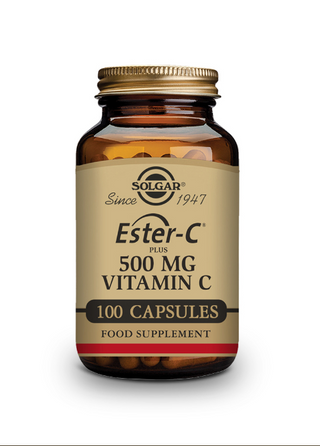
SOLGAR Quercetin Complex with Ester-C Plus 100 Vegetable Capsules (R529.00) — Solgar is a trusted international brand, and this is the most complete immune-focused formula on the shelf: quercetin paired with Ester-C (a gentle, non-acidic form of vitamin C) plus supporting nutrients. The vitamin C improves quercetin absorption and adds its own immune support. At 100 capsules, it is also the longest-lasting option here.
VIVID HEALTH Immune Quercetin Complex 60 Capsules (R285.20) — A locally-made complex and the best value combined formula in this comparison. Vivid Health is One Life's own range, formulated for the South African market, which keeps the price down without compromising on the combined approach. A sensible default for anyone wanting a quercetin complex for general winter immune support.
PHYTOCEUTICS Phytopure Quercetin 30 Veg Capsules (R372.00) — The phytosome option. Phytoceutics binds the quercetin to a phospholipid to dramatically improve absorption, which means more of each dose reaches the bloodstream. Fewer capsules (30) but more absorbed per capsule. The pick for users who want the best-absorbed form and are willing to pay for delivery technology.
WILLOW Quercetin Serrapeptase 60 Capsules (R436.00) — Willow pairs quercetin with serrapeptase, a proteolytic enzyme traditionally used for sinus and respiratory comfort. The combination targets congestion specifically, making this the pick for hay-fever and sinus sufferers rather than general antioxidant support.
NATROCEUTICS Quercetin Bioactive 60 Capsules (R419.00) — Natroceutics is the South African practitioner-grade brand behind the well-regarded NMN Advanced and Glutathione SOD Advanced products. Their Quercetin Bioactive is a clean, well-formulated premium option for customers already invested in the Natroceutics range.
SFERA Quercetin Complex 60 Capsules (R388.46) — Sfera Bio Nutrition is a respected SA brand with clear labelling. Their Quercetin Complex sits in the mid-price tier as a solid clean-label option for shoppers who want a complex without the premium-tier price.
GENOLOGIX Quercetin 750mg 60 Veg Capsules (R250.00) and BULK 180 Veg Capsules (R550.00) — Genologix offers the most straightforward high-dose quercetin on the shelf. The 750mg dose is meaningful, the price is keen, and the 180-capsule bulk version brings the cost-per-day down further for anyone planning a longer protocol. The pick for budget-conscious users who want dose and value over a complex.
NUTRILIFE Quercetin 60 Veg Capsules (R220.64) and WILLOW Quercetin 50 Capsules (R318.00) — Two plain, simple single-ingredient quercetin capsules. Nutrilife is the most affordable entry point in the whole category at R220.64. Both are reasonable starting points for someone who wants to trial quercetin before committing to a complex or a premium delivery form.
What should you check before adding to cart?
- Pair it for absorption. Quercetin on its own is poorly absorbed. Take it with food, and ideally alongside vitamin C or as a complex that already includes a partner ingredient.
- Match the formula to your goal. General immune support → a quercetin + vitamin C complex. Sinus and allergy → a quercetin + enzyme or bromelain formula. Best absorption → phytosome. Budget dose → plain high-dose.
- Mind the timing for allergies. If you are using quercetin for hay fever, start it a few weeks before your usual allergy season rather than waiting for symptoms to hit.
- Do not expect a cold cure. Quercetin is a supportive antioxidant and anti-inflammatory, not a treatment for any infection. Manage expectations accordingly.
- Give it consistent use. The benefits build with regular daily dosing, not one-off use when you already feel unwell.
- Check interactions if you are on medication, particularly blood thinners and some antibiotics. Quercetin can affect how certain drugs are processed.
- Speak to your GP first if you are pregnant, breastfeeding, or managing kidney disease.
Store-floor notes from our consultants
Three patterns I see most weeks at One Life:
- Customers buy quercetin when they actually need vitamin D. Through winter, low energy and frequent colds are very often a vitamin D problem in South Africa, even with our sunshine, because people are indoors and covered up. Quercetin is a useful addition, but I always ask about vitamin D first.
- The bromelain and vitamin C question. The most common thing I explain is that quercetin needs a partner to be absorbed well. A customer buying plain quercetin and taking it alone on an empty stomach is getting a fraction of the benefit. A complex, or pairing with their existing vitamin C, makes a real difference.
- The seasonal rhythm is predictable. Quercetin sales climb from April as the first cold snaps arrive, peak through June and July, then climb again in early spring as pollen season starts. If you are an allergy sufferer, buying ahead of the season beats chasing symptoms.
And the basics still matter most. Quercetin-rich foods — onions, apples, capers, red grapes, green tea, berries — deliver the flavonoid alongside fibre and other nutrients, at a fraction of the cost of any capsule. Supplements bridge the gap when diet and sunlight are not enough, especially in deep winter; they do not replace the foundation.
Safety, dosing and when to see a clinician
This article is general consumer information, not medical advice. Quercetin supplements sold in South Africa are regulated as complementary medicines by SAHPRA. Quercetin is generally well-tolerated in healthy adults at typical supplemental doses. Please speak to a healthcare professional before starting quercetin if any of the following apply:
- You are pregnant or breastfeeding. There is not enough safety data, so the responsible default is to wait.
- You are on blood-thinning medication (such as warfarin) — quercetin can affect clotting and drug metabolism.
- You are on antibiotics (particularly quinolones) or other chronic medication metabolised by the liver — quercetin can alter how some drugs are processed.
- You have kidney disease. Very high doses of quercetin over long periods have raised theoretical kidney concerns; keep to sensible doses and check with your clinician.
- You are under 18 years old.
For most healthy adults, the typical supplemental dose is 500 to 1000 mg per day, taken with food and ideally alongside vitamin C or bromelain, for the duration of the immune or allergy season.
FAQ
How long before quercetin feels useful?
Quercetin is not a quick fix. For allergy or seasonal immune support, it is usually more sensible to take it consistently for a few weeks before peak season.
Is quercetin better with vitamin C?
They are usually complementary. Vitamin C is a well-established immune nutrient, while quercetin adds antioxidant and mast-cell support.
Why is quercetin often paired with bromelain?
Bromelain is used because it may support quercetin absorption and is common in sinus and respiratory support formulas.
Can I take quercetin while pregnant?
Pregnancy and breastfeeding are not the right time to experiment with quercetin unless your doctor has specifically advised it.
Can quercetin interact with chronic medication?
It can affect clotting and how some medicines are processed, so check with your prescriber or another qualified healthcare professional first.
Related reading from One Life
- Glutathione: The Master Antioxidant Explained
- Ashwagandha in 2026: How to Use South Africa's Favourite Adaptogen
- Postbiotics — The Next Evolution of Gut Health
- Omega-3 and Inflammation Support
- Best Supplements That Actually Work in 2026
Health consultant review
Reviewed by the One Life Health consultants, June 2026. This article is editorial guidance written for South African shoppers and is updated when product pricing, stock or label evidence changes. It is not a substitute for advice from your GP, qualified healthcare professional or registered dietitian.
Medical disclaimer
This article is general consumer information, not medical advice. Quercetin is not intended to diagnose, treat, cure or prevent any disease, including colds, influenza or COVID-19. Please consult your GP or qualified healthcare professional before starting quercetin if you are pregnant, breastfeeding, on blood-thinning or other chronic medication, or managing kidney disease.
References
- NIH National Center for Complementary and Integrative Health
- National Institutes of Health, Office of Dietary Supplements. Dietary flavonoids — fact sheet resources
- Li Y et al. Quercetin, inflammation and immunity. Nutrients, 2016
- Cochrane Library. Cochrane Reviews on flavonoids and respiratory health
- South African Health Products Regulatory Authority (SAHPRA)
From the apothecary shelf
A few products we'd hand a customer asking for a starting point. Not a paid placement — these are what we actually take, recommend, or keep at the front of the shelf.