

The Apothecary
Glutathione in South Africa: Antioxidant Support Guide
Glutathione guide for South African shoppers: antioxidant basics, forms, safety checks and One Life product picks.
Glutathione in South Africa: The "Master Antioxidant" Explained (2026 Buyer's Guide)
By One Life Health Consultant · Written for South African shoppers, June 2026
Not sure which one?
Get a quick product pick
Your match
Need a hand?
Find the right supplement faster
Browse the relevant range or ask our team for a quick recommendation.
The short answer
Glutathione is your body's most important built-in antioxidant. Levels decline with age, stress, alcohol, paracetamol use, pollution and chronic illness, and the supplement aisle has responded with everything from R320 capsules to R4,000 IV drips. The most evidence-supported approach for oral supplementation is a liposomal or acetylated form, taken alongside the precursors your liver needs to make its own glutathione (NAC, glycine, vitamin C). The cleanest premium pick on the One Life shelf is the BIOMAX Glutathione Liposomal 30 Capsules at R644.00. For a more affordable plain-L-glutathione option, the GENOLOGIX L-Glutathione 500 mg 60 Veg Capsules at R320.00 is the entry point most customers start with. None of these products cure, treat or prevent any disease — if you are on chronic medication or managing a serious illness, please speak to your GP, hepatologist or qualified healthcare professional before starting.

Table of contents
- What does glutathione actually do?
- Why do glutathione levels drop?
- Which glutathione form works best?
- Which glutathione fits you?
- Product comparison: what we actually stock
- A closer look at each option
- Shopper checklist before you add to cart
- Store-floor notes from our consultants
- Safety, dosing and when to see a clinician
- FAQ
- Related reading from One Life
- References
What does glutathione actually do?
Glutathione (often shortened to GSH) is a small molecule made of three amino acids — glutamate, cysteine and glycine — that your liver produces continuously throughout your life. It is sometimes called the "master antioxidant" because almost every other antioxidant in your body, including vitamin C and vitamin E, relies on glutathione to be recycled and reused.
Its day job is twofold. First, it neutralises the oxidative stress that builds up from normal metabolism, exercise, infection and environmental exposure. Second, it is the lead character in phase II liver detoxification — the process that conjugates toxins, medications and metabolic by-products so they can be safely excreted. The NIH Office of Dietary Supplements and the National Library of Medicine both describe glutathione as one of the most studied small molecules in human biology.
That is the science. The marketing has run further than the science deserves. Glutathione supplements are sold for skin lightening, immunity, anti-ageing, athletic performance, "detox", liver support and longevity. Some of those claims have evidence behind them in specific clinical contexts; many do not. This guide separates what is reasonable to expect from what is on the box.
Why do glutathione levels drop?
- Age. Glutathione levels decline steadily from the late thirties onwards. By the sixties, levels can be 30 to 50% lower than in early adulthood.
- Chronic alcohol. Heavy or regular drinking depletes glutathione fast — and the liver needs more of it precisely when it has less.
- Regular paracetamol use. Paracetamol metabolism consumes glutathione. Daily or near-daily use over months erodes reserves.
- Chronic illness. Diabetes, fatty liver, autoimmune conditions and post-viral fatigue states are all associated with lower glutathione.
- Pollution and smoking. Both increase oxidative stress demand on glutathione without supplying the building blocks.
- Stress and poor sleep. Both reduce the body's capacity to make glutathione even when raw materials are available.
- Vegan and vegetarian diets without planning. Cysteine, the rate-limiting amino acid for glutathione synthesis, comes most concentrated from animal sources. Plant-based eaters need to be intentional about getting enough.
Which glutathione form works best?
- Plain L-glutathione (reduced glutathione). The cheapest and most common form. Absorbed poorly — most of an oral dose is broken down before reaching the bloodstream. Useful at higher dosing but not the most efficient.
- Liposomal glutathione. The molecule is wrapped in tiny fat bubbles (liposomes) that protect it from breakdown in the stomach. Studies show meaningful increases in blood glutathione with daily liposomal dosing. This is the form most worth paying a premium for.
- S-acetyl glutathione (acetylated). An acetyl group is attached to make the molecule more stable through digestion. Some research suggests good intracellular delivery. Pricier, less widely available.
- NAC (N-acetylcysteine). Not glutathione itself, but the most direct precursor your liver uses to make its own. NAC is the most-evidenced supplement for raising endogenous glutathione, and it is often cheaper than glutathione itself. Used in hospitals as the antidote to paracetamol overdose precisely because it restores glutathione fast.
- IV glutathione drips. Increasingly common in SA wellness clinics, often at R1,500 to R4,000 per session. Effective at raising blood levels for hours, but the cost-to-benefit ratio for general wellness is hard to defend. Reserved by sensible clinicians for specific clinical reasons.
- "Glutathione for skin lightening" products. A specific use case driven by Asian and Filipino beauty markets. The evidence is mixed and the doses required are higher than most everyday supplements deliver. This guide does not cover that use case.
Which glutathione fits you?
-
You want the most evidence-backed oral form for general antioxidant support — go liposomal. BIOMAX Glutathione Liposomal 30 Capsules at R644.00 is the cleanest pick.
-
 You want a glutathione plus broader antioxidant-system blend (SOD, supporting cofactors) — NATROCEUTICS Glutathione SOD Advanced 30 Capsules at R695.00 is the formula our practitioner customers reach for.
 -
 You want the acetylated form for better cellular delivery — YOUR WELLBEING Emotion S-Acetyl Glutathione 150mg 30 Capsules at R666.39 is the option.
 -
 You want a glutathione + cofactor stack (B vitamins, selenium) to support your body's own production — WILLOW Glutathione Booster 60 Capsules at R584.00 is the budget-friendly combined pick.
 -
 You want a high-dose premium clinical-grade product — NEOGENESIS HEALTH Glutathione 60 Capsules at R1320.00 is the highest-end formula in this comparison.
 -
 You want a budget-friendly entry point to plain L-glutathione — GENOLOGIX L-Glutathione 500 mg 60 Veg Capsules at R320.00 is the most affordable option.
 - You are pregnant, breastfeeding, on chemotherapy or post-transplant — do not self-prescribe. Speak to your specialist first.
A closer look at each option
BIOMAX Glutathione Liposomal 30 Capsules (R644.00) — Liposomal delivery is the most evidence-supported way to take glutathione orally. BIOMAX is a South African brand that has built a reputation around clean, well-dosed formulas. The 30-capsule pack is a one-month supply at one a day. This is the option I would point most customers to if they were buying their first glutathione.
NATROCEUTICS Glutathione SOD Advanced 30 Capsules (R695.00) — Natroceutics is the South African practitioner-grade brand that also produces the well-respected NMN Advanced (covered in our NAD+ longevity guide). The SOD Advanced formula combines glutathione with superoxide dismutase and supporting cofactors — closer to a complete antioxidant-system supplement than a single-ingredient pill.
YOUR WELLBEING Emotion S-Acetyl Glutathione 150mg 30 Capsules (R666.39) — The acetylated form. Smaller per-capsule dose (150mg) because acetylation improves intracellular delivery. Your Wellbeing is a SA-formulated brand often recommended by integrative practitioners. A reasonable option for users who have tried liposomal and want to compare.
WILLOW Glutathione Booster 60 Capsules (R584.00) — Willow is one of the most-stocked South African brands at One Life. The Booster formula adds B vitamins and selenium — both cofactors the body needs to produce and recycle its own glutathione. The 60-capsule pack is a two-month supply, which puts the cost-per-day below most premium single-ingredient options.
NEOGENESIS HEALTH Glutathione 60 Capsules (R1320.00) — The premium end of the comparison. Neogenesis Health is the most expensive brand on the One Life shelf in this category but is favoured by integrative health practitioners for clinical use. The 60-capsule pack at R1320 works out to R22 per day. Defensible if you have a specific clinical reason to be on glutathione for an extended period.
GENOLOGIX L-Glutathione 500 mg 60 Veg Capsules (R320.00) — A plain L-glutathione at a fair price. Absorption is lower than liposomal forms, but the higher 500mg dose partially compensates. The 60-capsule pack works out to roughly R5 per day — the most affordable daily-use option in this category. A reasonable starting point if you want to trial glutathione before committing to a premium form.
FUTUREHEALTH Glutathione Assist 60 Veg Capsules (R449.95) — Futurehealth is a respected SA brand with a strong practitioner network. The Assist formula sits in the mid-price tier and the 60-capsule pack offers two months at one a day. A solid middle-ground choice for shoppers who find the premium tier too expensive but want something better-evidenced than a plain L-glutathione.
Shopper checklist before you add to cart
- Choose the form that matches your goal. Liposomal for general daily use; acetylated if you want cellular delivery; plain L-glutathione if budget is the priority; NAC if you want to support your body's own production.
- Consider NAC instead of, or alongside, glutathione. N-acetylcysteine is the most-evidenced supplement for raising your own glutathione, and it is often half the price of glutathione itself.
- Take it with vitamin C. Vitamin C helps recycle oxidised glutathione back to its active form. The two work together; taking glutathione without supporting vitamin C levels is leaving value on the table.
- Give it a fair trial. Glutathione is not a stimulant. You will not feel a kick on day one. A meaningful trial is six to twelve weeks of daily use.
- Treat IV drips with scepticism for general wellness. They work, but at five to ten times the cost per dose of a good oral product, and the benefit fades within hours. Reserve IVs for specific clinical reasons.
- Skin lightening is a separate conversation. If that is your goal, the dosing, evidence and safety profile are different. Please speak to a dermatologist — and be sceptical of online claims.
- Speak to your GP if you are on chronic medication, especially chemotherapy. Glutathione interacts with some treatments by design.
Store-floor notes from our consultants
Three patterns I see most weeks at One Life:
- Customers ask for glutathione, but NAC is often the better start. If you have not tried either, NAC at half the price will give most users meaningful results and let you decide if topping up with oral glutathione is worth it.
- People are buying glutathione for the wrong reason. The two reasons that get the most mileage are recovery from regular paracetamol use (or alcohol) and supporting the liver through midlife. The two reasons that are mostly marketing are "general detox" and "looking younger".
- IV glutathione has its place, but it is overprescribed. A R3,000 drip every two weeks for general wellness is, in my view, hard to justify when a R644 bottle of liposomal capsules does the same job over the same month at a fraction of the cost.
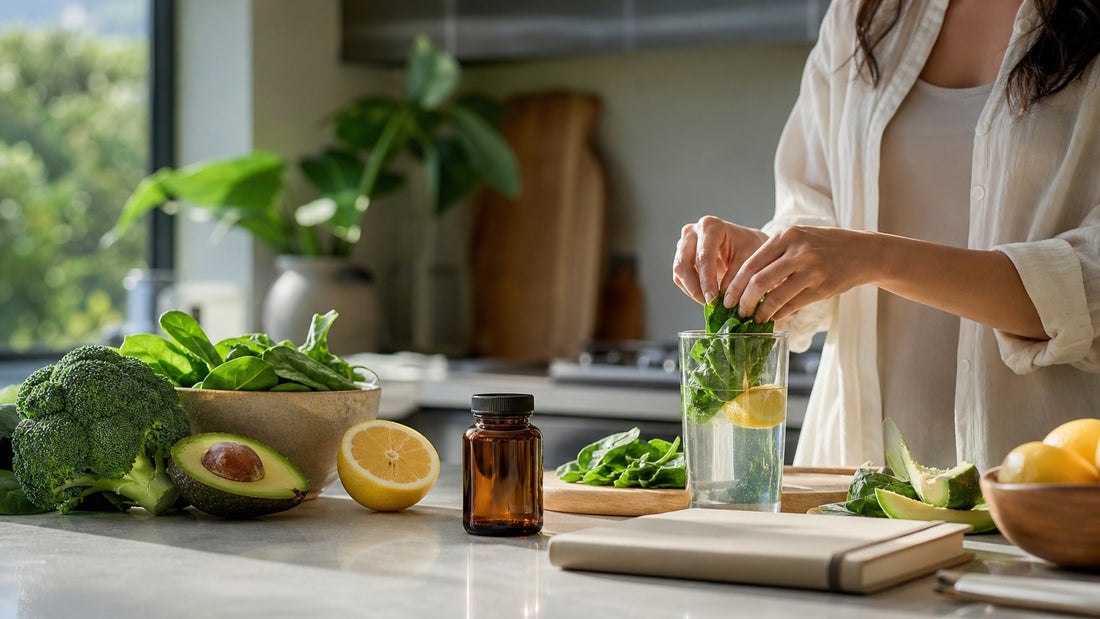
Glutathione also responds well to the basics. Sleep, fewer drinks, less paracetamol, more cruciferous vegetables (broccoli, cauliflower, cabbage), a steady source of cysteine-rich protein (eggs, dairy, whey, fish, lean meat), and a sensible exercise pattern all raise your body's own production. Supplements come on top of that, not instead of it.
Safety, dosing and when to see a clinician
This article is general consumer information, not medical advice. Glutathione supplements sold in South Africa are regulated as complementary medicines by SAHPRA. Side effects from oral glutathione are uncommon and usually mild (mild bloating, soft stools in the first week). Please speak to a healthcare professional before starting glutathione if any of the following apply:
- You are pregnant or breastfeeding.
- You are on chemotherapy. Glutathione interactions with chemotherapy are real and your oncologist should be the one who decides.
- You are post-organ-transplant or on immunosuppressive medication.
- You have asthma that is not well controlled.
- You are under 18 years old.
- You take chronic medication that is metabolised by the liver. Glutathione changes some pharmacokinetics; check with your qualified healthcare professional.
For most healthy adults, the typical effective oral dose ranges from 250 mg to 1000 mg per day depending on the form, taken consistently for at least six to twelve weeks.
FAQ
Should I choose glutathione or NAC?
NAC is often the more cost-effective starting point because the body uses it to make glutathione. Direct glutathione can still make sense for a more focused routine.
How long does glutathione take to work?
It is not a stimulant. Some shoppers notice skin, sleep or recovery changes within weeks, while broader antioxidant support is harder to feel directly.
Is liposomal glutathione better?
Liposomal and acetylated forms are used to improve delivery and stability. They usually cost more, so compare the form and dose before buying.
Are glutathione IV drips worth it?
For general wellness shoppers, oral options and the basics are usually more practical. IV treatment should only happen under appropriate medical supervision.
Can glutathione interact with chronic medication?
It can affect liver-related pathways for some medicines, so check with your prescriber or another qualified healthcare professional first.
Related reading from One Life
- NAD+ and Cellular Energy: The Longevity Trend Explained
- Best Liver Support Supplements in South Africa
- Best Supplements That Actually Work in 2026
- Omega-3 and Inflammation Support
- Postbiotics — The Next Evolution of Gut Health
Health consultant review
Reviewed by the One Life Health consultants, June 2026. This article is editorial guidance written for South African shoppers and is updated when product pricing, stock or label evidence changes. It is not a substitute for advice from your GP, hepatologist or qualified healthcare professional.
Medical disclaimer
This article is general consumer information, not medical advice. Glutathione is not intended to diagnose, treat, cure or prevent any disease, including disorders of the liver. Please consult your GP, hepatologist or qualified healthcare professional before starting glutathione if you are pregnant, breastfeeding, on chemotherapy, post-transplant, or on chronic prescription medication. Skin-lightening protocols using high-dose oral or IV glutathione are a separate clinical conversation — please consult a dermatologist.
References
- National Institutes of Health, National Library of Medicine. Glutathione: overview of its protective roles
- National Institutes of Health, Office of Dietary Supplements. Antioxidants — Health Professional Fact Sheet
- nature.com
- Cochrane Library. Cochrane Reviews on NAC, glutathione and antioxidants
- South African Health Products Regulatory Authority (SAHPRA)
From the apothecary shelf
A few products we'd hand a customer asking for a starting point. Not a paid placement — these are what we actually take, recommend, or keep at the front of the shelf.