


The Apothecary
Eating Like a Bird on a GLP-1? Where Your Vitamins Went
When you eat a third of what you used to, you get a third of the nutrients too. The fatigue, the cramps, the fuzzy head so many GLP-1 users describe - some of it is simply arithmetic. Here's the honest gap list.
On a GLP-1 the appetite goes quiet, and portions shrink with it - one small meal a day, sometimes two. That part usually feels like a win. The questions that follow it are the ones that reach our counter: why so tired, and why do the calves cramp at 2am? Neither needs a crystal ball to answer. They need a calculator.
Not sure which one?
Get a quick product pick
Your match
Need a hand?
Find the right supplement faster
Browse the relevant range or ask our team for a quick recommendation.
The arithmetic nobody does
If you used to eat 2,400 calories and now eat 900, you're not just getting a third of the energy - you're getting roughly a third of the B vitamins, the magnesium, the potassium, the iron, the everything. Your fat stores can cover the missing kilojoules for months. Your nutrient stores are a much shorter book: magnesium and potassium run down in weeks, B12 over months.
Add two GLP-1-specific twists. The medication slows your stomach, which can make you queasy about exactly the foods richest in these nutrients - meat, leafy greens, beans. And many people simply drink less because thirst quietens down alongside hunger. Less fluid plus less sodium, potassium and magnesium is the classic recipe for the 2am calf cramp and the afternoon headache.
What we'd actually suggest
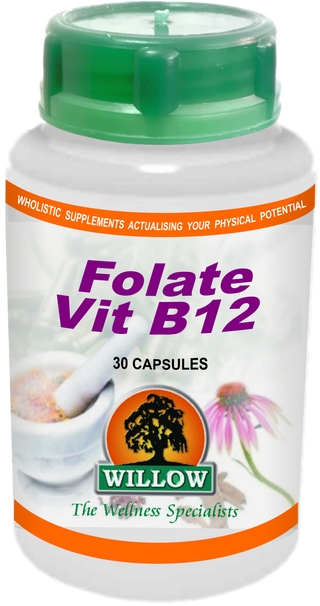
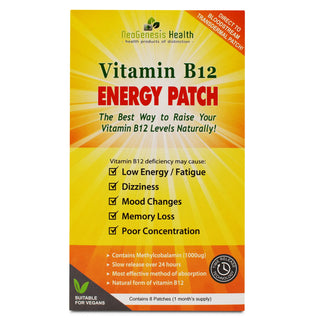
B12 and folate first. These are the workhorses of energy metabolism and the most common genuine gaps when meals shrink - especially if red meat was your main source and it's now the first thing your stomach refuses. One Folate-B12 capsule daily is a small, cheap correction. If capsules sit badly on a queasy stomach, the patch route works around it entirely.
Electrolytes, daily and boring. One sachet in a big bottle of water, sipped through the morning. Not the neon sports drinks - the sugar-free kind. Most people feel the difference in headaches and cramps within a week, because the problem was never mysterious.
Magnesium at night if sleep is scratchy. Restless legs, light sleep and that wired-tired feeling often travel together with low magnesium when portions shrink. (Our winter sleep guide covers the forms and doses - the short version: glycinate, evening, start low.)
Eat the nutrient-dense bites first. When you only have ten bites in you, spend them like a miser: eggs, sardines, liver if you're brave, dark greens. The lettuce can wait.
The pattern we see at the counter
After a year of GLP-1 customers, the timeline is almost predictable. Weeks one to four: nausea questions. Months two to three: the energy dip and the cramps - that's this article. Months three to five: hair in the drain (next week's guide). It helps to know you're not malfunctioning; you're on a schedule. And it means the fixes work best started early, not once you're flat.
A workable daily rhythm looks like this: electrolyte sachet in your morning water bottle, Folate-B12 with the first food of the day, and your biggest protein serving before noon while appetite is freshest. Magnesium in the evening if sleep is scratchy. That's the whole routine - four small habits, under R25 a day, and it covers the gaps that actually show up in this journey rather than the twenty things the internet is selling this month.
One winter note for Joburg and Pretoria readers: if you were low on vitamin D before the medication (most of us are by July - we've written a whole guide on it), a shrinking diet won't rescue it. It's the one nutrient worth adding to the GP test list alongside B12 and iron.
When NOT to bother
If you're on a GLP-1 but still eating three balanced meals with meat, dairy and vegetables - your gaps are probably small, and testing beats guessing. Ask your GP for B12, iron and a basic panel before buying anything. And skip the "GLP-1 support gummies" flooding social media: sugar, glitter and a margin. Nothing in this article treats, cures or replaces your medication - it supports the body that's doing the work, and your prescribing doctor should know everything you take.
The consultant-signed GLP-1 Companion protocol bundles the essentials properly - STACK10 gets you 10% off when three or more items share the basket. Unsure which gaps are yours? WhatsApp me what a normal day of eating looks like now, and I'll give you a straight answer - including "you don't need anything" if that's the truth.
— the One Life Health consultants
How the picks compare
| Product | Price | Best for |
|---|---|---|
 WILLOW Folate-B12, 30 capsules WILLOW Folate-B12, 30 capsules
|
R103.99 | THE ENERGY PAIR — B12 with folate in one SA-made capsule - the two most common gaps when meals shrink. |
 NEOGENESIS Vitamin B12 Energy Patches, 8 patches NEOGENESIS Vitamin B12 Energy Patches, 8 patches
|
R229 | IF SWALLOWING IS HARD — Methylcobalamin through the skin - handy when a queasy GLP-1 stomach refuses capsules. |
 ElectroCharge Electrolyte Mix, 25 sachets ElectroCharge Electrolyte Mix, 25 sachets
|
R305 | THE CRAMP FIX — Sodium, potassium and magnesium for the headaches and calf cramps of eating (and drinking) less. |
Frequently asked questions
Shouldn't I just take a multivitamin and be done with it?
A decent multivitamin is a reasonable floor on a GLP-1 - but most under-dose the things you're actually short of (B12, magnesium, protein) and sprinkle in things you aren't. If you only fix two things, fix the specific gaps, not the shotgun.
How do I know if my B12 is actually low?
You don't, from symptoms alone - fatigue has a dozen causes. A simple blood test at your GP or clinic settles it for under the price of two months of guessing. Test, then supplement to the result. We'd rather sell you one right bottle than three wrong ones.
Why do I get headaches and cramps since starting the medication?
Smaller meals mean less sodium, potassium, magnesium and fluid - and GLP-1s also blunt thirst for many people. Often the fix is embarrassingly simple: water plus electrolytes daily. If cramps or headaches persist, that's a doctor conversation, not a supplement one.
References
- NIH Office of Dietary Supplements - Vitamin B12
- NIH Office of Dietary Supplements - Magnesium
- Examine.com - Electrolytes
Our top picks for this guide
A few products we'd hand a customer asking for a starting point. Not a paid placement — these are what we actually take, recommend, or keep at the front of the shelf.