

The Apothecary
What Supplements to Take on a GLP-1: The South African Guide (2026)
What to support on a GLP-1: protein, creatine, fibre, omega-3, B12 and the red flags that need your prescriber.
By One Life Health Consultant · June 2026 · 6 min read
Not sure which one?
Get a quick product pick
Your match
Need a hand?
Find the right supplement faster
Browse the relevant range or ask our team for a quick recommendation.
Your doctor is guiding your weight journey. The appetite is finally quiet, the scale is moving — and you're eating half of what you used to. Here's the conversation we have at the counter almost every day now: eating less means getting less of the nutrients your body needs.
This is the guide we'd walk you through in store. What actually depletes, what we'd supplement, what we'd skip, and the one thing almost everyone on this journey underestimates — looking after muscle.
The short version
Consultant-built ritual

The counter's companion stack for the GLP-1 journey — protein, muscle and micronutrient support while appetite is doing less of the work, chosen by our health consultants.
The consultant-built stack for this journey — always 10% under buying separately. Shop the ritual →
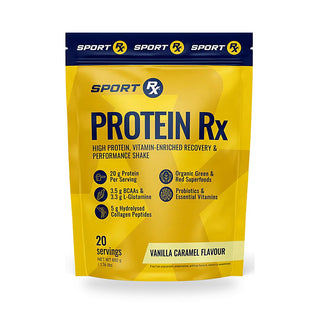
- Eat protein first, every meal. 1.6g+ per kg of goal body weight. This is the single biggest lever.
- Creatine, daily. 3–5g of monohydrate — the most evidence-backed muscle-preservation supplement that exists.
- B12 and magnesium are the two most common gaps when you eat less. Cover both.
- Omega-3 — appetite suppression crowds out oily fish first.
- Resistance training twice a week. It helps you keep lean muscle while the weight comes off.
Why eating less creates nutritional blind spots
When appetite is quieter and digestion slows, nutrition changes in three ways:
1. You simply eat less of everything. Less food means less B12, less magnesium, less omega-3, less protein — not because you're choosing badly, but because the volume isn't there.
2. Slowed gastric emptying changes absorption. B12 in particular needs stomach acid and intrinsic factor to absorb — both are affected when gastric activity slows down.
3. Rapid weight loss takes muscle with it. Losing weight quickly can cost lean muscle as well as fat if protein and resistance training aren't protected. Losing muscle drops your metabolic rate — which sets up the rebound nobody wants.
The supplements we'd actually suggest
Creatine monohydrate — the muscle anchor
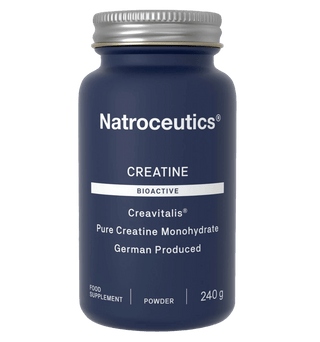
If we could only recommend one supplement on this journey, this is it. Creatine monohydrate at 3–5g daily helps preserve lean mass and strength during caloric restriction — and the evidence base is the deepest in sports nutrition. No loading phase needed. Mix it in water or your morning drink, every day, including rest days.
From our shelf: NATROCEUTICS Creatine Monohydrate Bioactive (240g).
Vitamin B12 (with magnesium) — the depletion cover
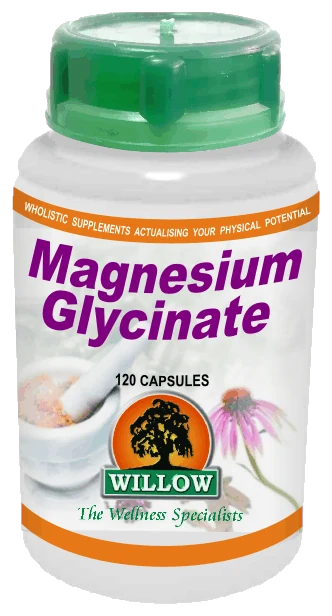
Low energy and brain fog are common when you eat less, and B12 intake is often low. Combine that with magnesium (involved in 300+ reactions in the body, including muscle function and sleep) and you've covered the two most common gaps. A combination product like Willow's Mag B6 B12 Folate handles both in one.
Omega-3 — the crowded-out essential
When your appetite shrinks, oily fish is usually the first thing to go. A clean, tested omega-3 supports heart health — and supports the joints that are suddenly carrying less weight but moving more.
Collagen — the skin elasticity play
Fast weight loss challenges skin elasticity. A complete collagen (types I, II and III) at 10g+ daily, given a real 12 weeks, supports the skin remodelling that has to happen as your body changes shape. Pair it with vitamin C — your body can't synthesise collagen without it.
Digestive enzymes and probiotics — if your gut is struggling
Slowed gastric emptying changes the whole digestive environment. If you're dealing with bloating or sluggish digestion, digestive enzymes with meals and a daily multi-strain probiotic are where we'd start. If symptoms are severe, talk to your prescriber — dose timing can sometimes be adjusted.
What we'd skip
"Fat burners" and thermogenics — you're already in a strong caloric deficit; stacking stimulants on top adds risk without meaningful benefit. Appetite suppressants — your appetite is already quiet. Mega-dose anything — more is not better when your gut is processing slowly.
One important honesty note
Supplements support a GLP-1 journey — they don't replace medical supervision. Tell your prescribing doctor everything you're taking. If you experience persistent vomiting, severe abdominal pain, or signs of gallbladder issues, that's a doctor conversation, not a supplement conversation.
Your One Life shortcut
We've built this twice over:
- The GLP-1 Companion protocol — the muscle, energy and skin stack (creatine + Mag B12 + collagen + omega-3) — STACK10 takes 10% off the lot.
- The GLP-1 Support collection — three ready-made bundles (Essentials from R843, Complete, Premium) covering the foundational depletions.
Not sure which fits where you are in your journey? WhatsApp me — tell me what you're on and how far in you are, and I'll narrow it down. Free, no pressure. Or pop into Centurion, Glen Village or Edenvale.
This article is for information only and is not medical advice. Always consult your prescribing doctor before adding supplements to GLP-1 therapy.
Common questions
Should I take supplements instead of changing food?
No. Supplements are support. Protein, resistance training, hydration and medical follow-up are still the foundation.
Can creatine help while losing weight?
It can help protect strength and training output while weight comes down, especially when paired with enough protein and resistance work.
When should I call my prescriber?
Persistent vomiting, severe abdominal pain, dehydration, gallbladder symptoms or rapid weakness need medical advice, not another supplement.
References
- PubMed: GLP-1 body-composition data
- PubMed: GLP-1 receptor agonists and weight management
- NIH Office of Dietary Supplements: Vitamin B12
From the apothecary shelf
A few products we'd hand a customer asking for a starting point. Not a paid placement — these are what we actually take, recommend, or keep at the front of the shelf.