


The Apothecary
Postbiotics: The Next Evolution of Gut Health Supplements
Postbiotics, prebiotics, probiotics, what's different, what's marketing, and which one to actually buy.
Postbiotics are the newest gut-health buzzword and the easiest place to get sold the wrong thing. Most people don't need them. Some do. Here's how to tell which camp you're in and why a stable probiotic strain is usually still the better starting point.
Not sure which one?
Get a quick probiotic pick
Your match
Postbiotics: The Next Evolution of Gut Health Supplements
The short answer: Probiotics are live bacteria. Prebiotics are the fibre that feeds them. Postbiotics are the compounds the bacteria produce after they eat and research increasingly shows postbiotics are what actually drives most of the "gut health" benefits people are looking for.
The gut health story, updated
Probiotics were sold to us for years as the silver bullet: swallow some live bacteria, they colonise your gut, you feel better. The reality turned out to be messier. Some strains survive stomach acid, most don't. Some people respond dramatically, others feel nothing at all. And researchers kept asking the same question: when probiotics do work, what exactly is doing the work?
The answer, increasingly, is postbiotics.
This doesn't mean probiotics are useless, far from it. It means we now have a more nuanced, more complete understanding of why they work and it opens the door to a whole new category of gut health supplementation that may prove more reliable, more shelf-stable and more effective for a broader range of people. For South Africans who've been investing in gut health supplements and feeling underwhelmed, postbiotics may be the missing piece of the puzzle.
What's actually in the probiotic jar
There are three things happening in your gut when you eat fermented food or take a live-culture probiotic:
1. Probiotics - the living bacteria themselves (Lactobacillus, Bifidobacterium, etc.)
2. Prebiotics - the fibres these bacteria feed on (inulin, fructooligosaccharides, resistant starch)
3. Postbiotics - the compounds the bacteria produce once they're fed (short-chain fatty acids, peptides, exopolysaccharides, heat-killed bacterial fragments)
For years we focused on #1. The emerging research says the heavy lifting is done by #3.
Think of it like a factory. Probiotics are the workers. Prebiotics are the raw materials. Postbiotics are the actual products rolling off the production line, the things that go out into your body and do something. We spent decades trying to hire better workers and provide better raw materials, only to realise that we could deliver the finished products directly.
What we'd suggest first: if you haven't tried a single-strain probiotic at clinical dose for 8 weeks, you're not ready for postbiotics. The order matters: fix the inputs before you chase the outputs.
Why postbiotics matter
Postbiotics include short-chain fatty acids like butyrate, which is the primary fuel source for the cells lining your colon. They include peptides that calm inflammation. They include compounds that strengthen the gut barrier, the leaky-gut thing everyone talks about.
And here's the key: postbiotics don't need to survive digestion. They're already the end-product. They don't need to colonise your gut to work. They just need to be present.
This is a big deal for two groups of people:
1. People for whom probiotics "didn't work" - often it's because the strains didn't survive stomach acid, or didn't reach the intestines in sufficient numbers. Postbiotics sidestep that problem entirely.
2. People on antibiotics or with compromised gut environments - live cultures can struggle to establish themselves in a disrupted gut. Postbiotics don't need to.
A closer look at butyrate: the star postbiotic
If postbiotics had a poster child, it would be butyrate. This short-chain fatty acid is produced when beneficial bacteria ferment dietary fibre in the colon and its effects are remarkable:
- Colonocyte fuel: The cells lining your colon get roughly 70% of their energy from butyrate. Without adequate butyrate, these cells literally begin to starve, leading to a weakened gut barrier.
- Anti-inflammatory signalling: Butyrate inhibits NF-κB, a protein complex that acts as a master switch for inflammatory pathways. This is one reason why high-fibre diets are consistently linked to lower rates of inflammatory bowel disease.
- Gene regulation: Butyrate acts as a histone deacetylase inhibitor, essentially, it influences which genes get expressed in your gut lining, favouring repair and immune regulation over chronic inflammation.
- Appetite regulation: Emerging evidence suggests butyrate stimulates the release of GLP-1 and PYY, hormones that promote satiety. This is why gut health and weight management are more closely linked than many people realise.
Other notable postbiotic compounds include acetate and propionate (other short-chain fatty acids), bacteriocins (antimicrobial peptides), exopolysaccharides (which modulate the immune system) and enzymes that assist in nutrient absorption.
The science is still young but growing fast
Postbiotics were formally defined as a category by the International Scientific Association for Probiotics and Prebiotics (ISAPP) in 2021. Their consensus definition describes postbiotics as "a preparation of inanimate microorganisms and/or their components that confers a health benefit on the host." Research is still catching up, but early human studies suggest postbiotics may support:
- A normal, balanced inflammatory response
- Immune regulation
- Gut barrier integrity (the "leaky gut" story)
- A healthy blood sugar response and insulin sensitivity
- Comfort around seasonal triggers in some populations
A 2022 systematic review published in Nutrients found that postbiotic supplementation significantly reduced markers of systemic inflammation in adults, even in the absence of live probiotic bacteria. Another study in the Journal of Functional Foods demonstrated that heat-killed Lactobacillus plantarum improved gut barrier function in participants with increased intestinal permeability, the clinical term for leaky gut.
What's particularly exciting is the consistency of results. One of the longstanding frustrations with probiotic research has been variability, a strain that works brilliantly in one study fails to replicate in another. Postbiotics, because they don't rely on bacterial survival and colonisation, tend to show more consistent outcomes across different populations and study designs.
The gut-immune connection: where postbiotics really shine
Roughly 70% of your immune system resides in your gut-associated lymphoid tissue (GALT). This makes the gut the largest immune organ in your body, and it's the primary reason why gut health and immune support are so deeply intertwined.
Postbiotics interact with the immune system in several key ways:
- Toll-like receptor activation: Cell wall fragments from heat-killed bacteria stimulate toll-like receptors on immune cells, essentially "training" your immune system without causing infection. Think of it as a fire drill for your immune response.
- Regulatory T-cell induction: Certain postbiotic compounds promote the development of regulatory T-cells, which are critical for preventing the immune system from overreacting, a mechanism relevant to allergies, autoimmune conditions and chronic inflammation.
- Mucus production: Postbiotics stimulate goblet cells in the gut lining to produce more protective mucus, which serves as a physical barrier against pathogens.
This is why postbiotics are generating particular interest during cold and flu season and why they're being studied as adjuncts for people recovering from illness or surgery.
Postbiotics vs probiotics: not a competition
Let's be clear: this isn't an either/or situation. The most effective approach to gut health likely involves all three, probiotics, prebiotics and postbiotics, working together. Researchers call this the "synbiotic plus" approach.
Here's how to think about the differences:
| Feature | Probiotics | Postbiotics |
|---|---|---|
| Must survive digestion | Yes | No |
| Needs refrigeration | Often | Rarely |
| Safe during antibiotics | Debated | Yes |
| Consistent response | Variable | More consistent |
| Shelf stability | Lower | Higher |
High-quality probiotic supplements still play an important role, particularly for people with specific dysbiosis issues, after gastrointestinal infections, or when clinically indicated strains are matched to specific conditions. The point isn't to replace probiotics, it's to recognise that the postbiotic compounds they produce deserve attention in their own right.
How to boost postbiotics naturally through diet
You don't need a supplement to start producing more postbiotics. Your own gut bacteria are manufacturing them right now, the question is whether you're giving them enough raw material to do their job well.
1. Eat more diverse fibre
The single most impactful thing you can do for postbiotic production is to eat a wide variety of plant fibres. Different bacteria prefer different fibres, and different fibres produce different postbiotic compounds. Aim for 30+ different plant foods per week. This includes vegetables, fruits, legumes, whole grains, nuts, seeds, herbs and spices.
South African staples like sweet potato, butternut, samp and beans and morogo (wild spinach) are excellent fibre sources. Adding nutrient-dense superfoods like chia seeds, flaxseed and baobab powder can further diversify your fibre intake.
2. Include fermented foods regularly
Fermented foods are nature's postbiotic delivery system. During fermentation, bacteria have already done their work, the final product contains live bacteria and the postbiotic compounds they've produced. Include foods like:
- Kefir and natural yoghurt (not the sugar-laden varieties)
- Sauerkraut and kimchi (unpasteurised, from the fridge section)
- Kombucha (watch the sugar content)
- Miso and tempeh
- Amasi: South Africa's traditional fermented milk, rich in both probiotic bacteria and postbiotic compounds
3. Include resistant starch
Resistant starch is a prebiotic that's particularly effective at generating butyrate. You'll find it in cooked-and-cooled potatoes, cooked-and-cooled rice, green bananas and legumes. The "cook and cool" trick is a South African kitchen hack worth knowing: when you cook starchy foods and then refrigerate them, the starch structure changes, becoming resistant to digestion and feeding your butyrate-producing bacteria instead.
4. Don't forget polyphenols
Polyphenol-rich foods like rooibos tea, berries, dark chocolate, olive oil and red wine (in moderation) are metabolised by gut bacteria into postbiotic compounds with potent anti-inflammatory and antioxidant effects. Rooibos, in particular, is a uniquely South African polyphenol source that's been shown to support both gut health and metabolic function.
When postbiotic supplements make sense
While diet is always the foundation, there are specific situations where targeted postbiotic supplementation may be beneficial:
- During and after antibiotic courses: Antibiotics disrupt live bacterial populations, but postbiotics work independently of bacterial viability. They can support gut barrier function even when your microbiome is under siege.
- Travel: Postbiotic supplements are more shelf-stable than live probiotics, making them ideal for South Africans travelling to regions with different food safety standards.
- Chronic digestive issues: If you've tried probiotics without success, postbiotics offer a different mechanism of action that may be more effective for your specific situation.
- Immune support: During seasonal illness peaks or periods of high stress, postbiotics can offer consistent immune-modulating benefits without the variability of live cultures.
- Compromised gut environments: Conditions like SIBO (small intestinal bacterial overgrowth) sometimes worsen with additional live bacteria. Postbiotics can offer gut support without adding more organisms to an already overwhelmed system.
What to look for when shopping for postbiotic products
The postbiotic supplement market is still maturing, but here's what to look for on the label:
- Specific strains identified: Even though the bacteria are inactivated, the strain matters. Different strains produce different postbiotic profiles. Look for products that specify the strain, not just the species.
- CFU equivalent or cell count: Some products list the number of inactivated cells, which gives you a sense of potency.
- Butyrate content: Some products list butyrate itself rather than just the inactivated strains that help produce it — worth checking if that's specifically what you're after.
Postbiotics are a genuinely useful addition to the gut-health picture, not a replacement for the basics. Get the fibre and fermented foods right first — if you've already got that and a solid probiotic in place, a postbiotic supplement is a reasonable next layer to add.
Our top picks for this guide
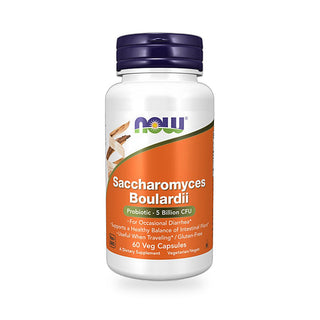
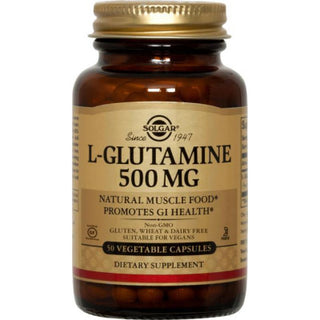
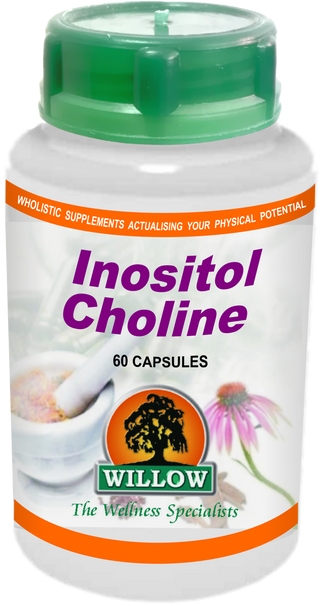
A few products we'd hand a customer asking for a starting point. Not a paid placement — these are what we actually take, recommend, or keep at the front of the shelf.