


The Apothecary
Best Supplements That Actually Work in 2026: Evidence-Based Picks for South Africans
Which supplements actually work in 2026? The shortlist, the doses, and where most South Africans waste their money.
Most supplements don't earn their place in your medicine cabinet. About six do. Here's what 30 years on the shop floor has taught us about the supplements South Africans actually benefit from — the doses, the forms that work, and the long list of products we'd quietly walk you away from.
Not sure which one?
Get a quick product pick
Your match
Need a hand?
Find the right supplement faster
Browse the relevant range or ask our team for a quick recommendation.
How We Chose These Supplements
Every supplement on this list meets at least two of the following criteria:
- Supported by multiple peer-reviewed human clinical trials (not just animal studies)
- Addresses a common deficiency or health gap relevant to South Africans
- Has a well-understood mechanism of action
- Shows consistent results across different populations
We also considered the South African context specifically. Factors like sun exposure patterns, common dietary gaps, and lifestyle trends in this country affect which supplements are most relevant here.
Vitamin D3: The Sunshine Supplement Most South Africans Still Need
South Africa gets plenty of sun, so you might assume vitamin D deficiency is not a local problem. Research tells a different story. A 2022 study published in the South African Medical Journal found that vitamin D insufficiency is common across multiple South African populations, particularly in urban areas where people spend most of their time indoors.
Vitamin D3 (cholecalciferol) is the form your body produces from sunlight and the form most effectively absorbed as a supplement. It plays a role in immune function, bone density, mood regulation, and muscle performance.
The evidence for supplementation is strong when a deficiency is present. A 2021 meta-analysis in the British Medical Journal found an association between vitamin D supplementation and a lower rate of acute respiratory infections in study participants, particularly those with low baseline levels.
Recommended dose: 1000 to 2000 IU daily for general maintenance. Get your levels tested before taking higher doses.
👉 Browse Vitamin D supplements at One Life
Magnesium: The Mineral You Are Probably Low In
Magnesium is involved in over 300 enzymatic reactions in the body. It supports sleep quality, muscle recovery, blood sugar regulation, and stress response. Despite this, surveys consistently show that a large portion of adults do not get enough from diet alone.
Processed food consumption, soil depletion, and high stress levels all contribute to low magnesium intake. If you regularly experience poor sleep, muscle cramps, or feel wired but tired, magnesium deficiency is worth investigating.
The form matters here. Magnesium glycinate and magnesium malate are better absorbed and gentler on the digestive system than magnesium oxide, which is cheap but poorly bioavailable.
Recommended dose: 200 to 400 mg elemental magnesium daily, taken in the evening for sleep support.
👉 Browse Magnesium supplements at One Life
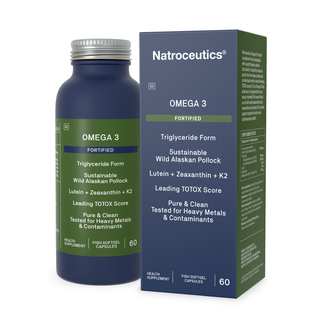
Omega-3 Fatty Acids: Heart, Brain, and Joint Support With Real Data Behind It
Omega-3s, specifically EPA and DHA from fish or algae oil, are among the most studied supplements in the world. The evidence for cardiovascular health is well established. A large 2019 trial called REDUCE-IT found that high-dose EPA supplementation was associated with fewer cardiovascular events in people with elevated triglycerides who were already on statin therapy — a finding from a specific clinical protocol, not a claim about any single over-the-counter product.
Beyond heart health, omega-3s show consistent benefits for reducing inflammation, supporting brain function, and easing joint pain in people with rheumatoid arthritis.
For South Africans who do not eat fatty fish two to three times per week, supplementing with a quality fish oil or algae-based omega-3 is one of the most straightforward ways to address a common dietary gap.
Recommended dose: 1000 to 2000 mg combined EPA and DHA daily. Look for products that list EPA and DHA amounts separately, not just "fish oil."
👉 Browse Omega-3 supplements at One Life
Probiotics: Gut Health Support That Goes Beyond the Hype
Probiotics have been marketed for everything from weight loss to anxiety. The reality is more specific. The research shows clear benefits for certain conditions and less evidence for others.
Where probiotics genuinely deliver:
- Antibiotic-associated diarrhea: Multiple meta-analyses have found Lactobacillus rhamnosus GG and Saccharomyces boulardii associated with a meaningfully lower risk in study populations.
- Irritable bowel syndrome (IBS): Several strains, including Bifidobacterium infantis, have shown consistent symptom improvement in clinical trials — worth raising with your gastroenterologist as part of an IBS management plan.
- Immune modulation: Certain strains support immune response, particularly in older adults.
The key is strain specificity. A generic "probiotic blend" may not contain the strains studied for your specific concern. When shopping at One Life, you can filter by health condition to find products matched to your needs, which makes it easier to pick the right formulation rather than guessing.
Recommended dose: Varies by strain and condition. Look for products with at least 10 billion CFU and clearly listed strains.
👉 Browse Probiotics at One Life
Vitamin B12: Essential for Energy and Nerve Function
B12 deficiency is more common than most people realise, particularly among vegetarians, vegans, older adults, and people taking metformin for diabetes. The symptoms develop slowly and include fatigue, brain fog, tingling in the hands and feet, and mood changes.
B12 is only found naturally in animal products. If your diet is plant-based or you have absorption issues (common with age), supplementation is not optional, it is necessary.
Methylcobalamin is the active form and generally preferred over cyanocobalamin, particularly for people with MTHFR gene variants that affect B12 metabolism.
Recommended dose: 500 to 1000 mcg daily for those with dietary restriction or absorption concerns. Sublingual (under-the-tongue) forms bypass digestive absorption issues.
👉 Browse Vitamin B12 supplements at One Life
Ashwagandha: The Adaptogen With Actual Clinical Trials
Adaptogens are a category of herbs that help the body respond to stress. Ashwagandha (Withania somnifera) is the most studied of the group and one of the few with multiple randomised controlled trials supporting its use.
A 2019 study in Medicine found that 240 mg of ashwagandha extract daily significantly reduced cortisol levels and self-reported stress scores over 60 days. Other trials have shown improvements in sleep quality, testosterone levels in men, and physical endurance.
It is not a quick fix. Most studies run for 8 to 12 weeks before meaningful results appear. But for people dealing with chronic stress, poor sleep, or low energy, ashwagandha is one of the more evidence-backed options available.
Recommended dose: 300 to 600 mg of a standardised root extract (KSM-66 or Sensoril are the most studied forms) daily.
👉 Browse Ashwagandha at One Life
Zinc: Immune and Hormonal Health in One Mineral
Zinc is an essential trace mineral involved in immune function, wound healing, protein synthesis, and testosterone production. Deficiency is common in people who eat little red meat, have high alcohol intake, or deal with digestive conditions that impair absorption.
The evidence for zinc in immune support is solid. A Cochrane review found that zinc lozenges or syrup started within 24 hours of cold symptoms reduced the duration of the common cold. For men, adequate zinc intake is also linked to healthy testosterone levels.
Zinc picolinate and zinc bisglycinate are better absorbed than zinc oxide.
Recommended dose: 15 to 30 mg elemental zinc daily. Do not exceed 40 mg long-term without medical supervision, as high doses can deplete copper.
👉 Browse Zinc supplements at One Life
Collagen Peptides: Skin and Joint Benefits Backed by Studies
Collagen peptides have moved from beauty marketing into legitimate clinical research. A 2019 review in the Journal of Drugs in Dermatology found that oral collagen supplementation improved skin elasticity, hydration, and reduced wrinkle depth in multiple trials.
For joints, a 2008 study in Current Medical Research and Opinion found that athletes taking collagen hydrolysate experienced significant reductions in joint pain compared to placebo.
The mechanism makes biological sense. Hydrolysed collagen peptides are absorbed and transported to cartilage and skin tissue, where they stimulate the body's own collagen production.
Recommended dose: 10 to 15 g of hydrolysed collagen peptides daily, ideally taken with vitamin C, which is needed for collagen synthesis.
👉 Browse Collagen supplements at One Life
Supplements Worth Being Cautious About
Not everything on a supplement shelf deserves your money. A few categories to approach carefully:
- Detox and cleanse products: The liver and kidneys handle detoxification. No supplement has been shown to meaningfully "cleanse" these organs in healthy people.
- Fat burners: Most rely on stimulants like caffeine and synephrine. The weight loss effects are small and temporary, and the risk of side effects is real.
- Testosterone boosters (non-zinc/vitamin D): Many herbal testosterone boosters have weak or no clinical evidence. If you have genuine hormonal concerns, speak to a doctor.
- Mega-dose single vitamins: More is not always better. High-dose vitamin A, for example, is toxic in excess. High-dose vitamin E has been linked to increased bleeding risk.
The pattern to watch for: vague claims, no listed dosages, proprietary blends that hide individual ingredient amounts, and prices that seem too good to be true.
How to Buy Supplements Wisely in South Africa
Shopping for health supplements in South Africa has become easier, but it still requires some attention. Here is what to look for:
Check the label for specific doses. A product that lists "magnesium blend" without specifying elemental magnesium content is not giving you enough information to judge its value.
Look for third-party testing. Reputable brands submit their products for independent testing to verify purity and potency. Look for certifications from organisations like NSF International or Informed Sport.
Buy from trusted retailers. Onelife.co.za stocks a curated range of health supplements, natural foods, and wellness products from established brands. You can browse by health condition, which helps you find products relevant to your specific goals rather than scrolling through hundreds of generic options.
Avoid buying supplements from unverified social media sellers. Counterfeit and substandard products are a real problem in the supplement space, and buying from a reputable e-commerce store reduces that risk significantly.
Our top picks for this guide
A few products we'd hand a customer asking for a starting point. Not a paid placement — these are what we actually take, recommend, or keep at the front of the shelf.