


The Apothecary
Nootropics & Brain Supplements in South Africa (2026 Guide)
Nootropics done plainly. What works for focus, mental energy, and recovery and where the supplement won't fix the routine that needs fixing.
If you're hunting for a brain supplement because focus has gone wobbly, the afternoon crash is murderous, or the work week leaves you running on empty, read this first. The strongest nootropics aren't the loudest ones. Skip the miracle language. Here's what 30 years on the shop floor has taught us about the handful of ingredients worth knowing, how to stack them sensibly, and where the supplement won't fix the routine that needs fixing.
Not sure which one?
Get a quick product pick
Your match
Need a hand?
Find the right supplement faster
Browse the relevant range or ask our team for a quick recommendation.
What are nootropics?
Nootropics are supplements or substances used to support aspects of cognitive function such as focus, alertness, memory, mental stamina, or resilience under stress. In everyday South African retail, the term is used loosely. Some people mean mushroom extracts. Others mean citicoline, choline, amino acids, or “brain booster” blends. For this article, we are talking about non-prescription supplements, not medicines or stimulants prescribed for a medical condition.
That distinction matters. Good nootropics do not replace sleep, food, movement or medical care. They work best as support around the edges of a decent routine. If your sleep is broken, your caffeine intake is chaotic, and you are eating like a hostage, even a good cognitive supplement will underdeliver.
Who may benefit from brain supplements?
Not everyone needs brain supplements, but they can make sense when there is a clear use case and a realistic goal.
People who often get the most value
- Professionals and founders who need steadier concentration for demanding workdays
- Students who want better support for study blocks, revision and mental stamina
- Shift workers and frequent travellers whose routines and recovery are inconsistent
- High-stress individuals who feel mentally flat when pressure and poor recovery stack up
- Adults focused on healthy ageing who want thoughtful long-term cognitive support
That said, the smartest first move is not always a daytime focus product. If stress is the bottleneck, an adaptogen may be more useful. If poor sleep is wrecking your concentration, fix that first. One Life's guides to adaptogens like ashwagandha and rhodiola and natural sleep aids in South Africa are worth reading alongside this one.
Evidence-backed ingredients worth knowing
Here's a shorter list of ingredients worth understanding before you buy anything.
Citicoline and other choline-support ingredients
Citicoline is one of the more credible nootropic ingredients because it has better human evidence than most flashy proprietary blends. It is commonly used to support attention, mental energy, and cognitive performance. For many people, a citicoline-led formula is a cleaner starting point than a formula that hides a dozen underdosed ingredients behind clever branding.
A good example is Neogenesis NeoMind Citicoline 30 Capsules, which is built around Cognizin® citicoline. If your main goal is sharper daytime focus without turning your supplement drawer into a chemistry set, this is the sort of product that makes sense to start with.

Lion's mane, bacopa, and phosphatidylserine
These are often used for a slightly different job. Lion's mane is popular for longer-horizon cognitive support, while bacopa is usually treated as a slower-burn ingredient rather than an instant pick-me-up. Phosphatidylserine is often included for memory and cognitive support, especially in more brain-focused formulas.
If you want a proper mushroom-specific breakdown, read One Life's lion's mane guide for South Africa. Within the One Life range, Neogenesis MANEBrain Lions Mane Extract + Phosphatidylserine is a strong example of a formula aimed at memory, focus and longer-term brain support rather than a quick stimulant hit.

L-theanine, caffeine, and rhodiola for calmer alertness
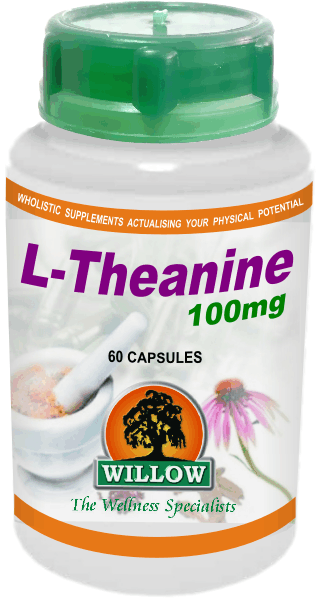
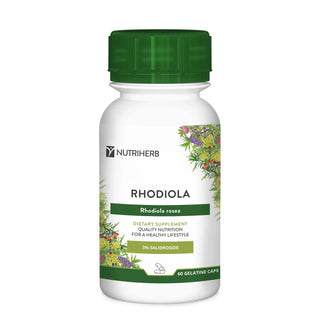
One of the most practical nootropic combinations remains caffeine plus L-theanine, because it may help smooth the edgy feel that caffeine can create on its own. Rhodiola may also be useful when mental fatigue is tied more to stress load than to pure sleepiness. That is why it helps to identify the problem before buying the product. If your issue is overwhelm rather than lack of stimulation, a calmer stack often beats simply adding more caffeine.
Omega-3 DHA, magnesium, and the unsexy foundations
Some of the most useful things for brain health aren't glamorous at all. Omega-3 DHA matters for brain cell structure. Magnesium matters because sleep quality, muscle tension, and stress load directly affect concentration. These basics are not as marketable as “genius mode”, but they often do more for real-world performance.
If your concentration is being dragged down by recovery issues, Neogenesis NeoMag 60 Capsules is the sort of product worth considering. It is not a classic daytime nootropic, but it may be a smarter starting point when poor sleep, high stress, or nervous system overload is the real problem. For a broader evidence-first lens, One Life's article on the best supplements that actually work in South Africa is also worth your time.

What we keep on the shelf: citicoline (CDP-choline) at 250–500 mg is the cleanest first move for most people. Pair it with 200 mg L-theanine and your morning coffee and you have the simplest stack that consistently works.
How to choose a smarter nootropic stack
The fastest way to waste money is to buy three stimulating products at once and then guess which one is helping. A better approach is simpler and much more useful.
- Start with the bottleneck. Do you need cleaner focus, better mental stamina, calmer alertness, or improved recovery?
- Pick one lead ingredient first. Citicoline, lion's mane, bacopa, phosphatidylserine, or a caffeine plus L-theanine setup is easier to judge than a huge blend.
- Choose a format you will actually use. Capsules suit many people, but sachets and drinkable products can win on convenience.
- Give it a fair trial window. Same-day products and longer-horizon ingredients should not be judged by the same standard.
- Check overlap carefully. Coffee, energy drinks, pre-workouts, adaptogens and nootropics can pile up faster than you think.
If you want a simple decision rule, buy for fit rather than hype. Clear ingredients, sensible dosing and a product that suits your routine will usually outperform a louder formula with a better label design.
Timing and dosing basics
Most nootropic mistakes are not about the ingredient. They are about timing, dose creep and trying too many variables at once.
General timing rules
- Morning or early afternoon: usually best for citicoline-led products, caffeine-containing formulas or daily performance sachets
- With food when directed: many products are easier on the stomach when taken with meals
- Later in the day: better suited to recovery-focused support, not stimulating stacks
- Longer trial periods: bacopa and lion's mane usually need consistency, not instant judgement
For example, Soaring Free Lion's Mane 90 Veg Capsules is the classic longer-trial pick — judge it in weeks, not days — while Natroceutics Activated B-Complex Advanced covers the daytime foundation most people should sort out before anything exotic. And if you want the best-evidenced basic of all, Natroceutics Omega-3 Pure Wild is the brain staple on our shelf — one of our top-fifteen sellers store-wide.

Whatever you choose, start lower, add slowly and track one change at a time. More stimulation is not the same thing as better cognition.
What we take ourselves: citicoline morning, L-theanine with coffee, Lion's Mane on heavy-thinking days. Nothing fancy. We'd rather customers get good at one stack than rotate fifteen.
Safety, dosing and who should slow down
Nootropics are still supplements, which means the same caution applies as with anything else you take daily. They may support focus or cognitive performance, but they are not a substitute for diagnosis, treatment or personalised medical advice.
- Pregnancy and breastfeeding: avoid improvising with nootropics unless a healthcare professional has approved a specific product.
- Medication use: check for interactions if you take chronic medication, especially for blood pressure, mood, thyroid health or blood thinning.
- Under 18: these products are formulated and dosed for adults. Cognitive concerns in children or teenagers should go through a doctor, not a supplement aisle.
- Sleep disruption: stimulating products taken too late in the day can quietly sabotage the very cognition you are trying to improve.
- Anxiety, headaches or overstimulation: these are signs to reduce the dose, change timing, or stop and reassess.
Lithium deserves its own paragraph, not a passing mention. In prescription form, lithium is a medicine that requires regular blood tests to monitor levels, kidney function and thyroid function, because the margin between a helpful dose and a harmful one is narrow. Lithium orotate supplements use much smaller amounts, but that does not remove the basic caution that comes with the mineral. NeuroActive Lithium Orotate 60 Capsules is not a casual first-line focus product. It should not be combined with prescribed lithium or other psychiatric medication, or started without your doctor knowing, especially if you have any history of kidney or thyroid issues. If concentration is your only concern, start with citicoline, L-theanine or the basics covered above rather than reaching for this one first.

Frequently asked questions
How long does it take for a nootropic to work?
It depends on the ingredient. Caffeine-based combinations act within the hour. Citicoline is usually noticeable within days to a couple of weeks. Ingredients like lion's mane and bacopa are slower-burn and need several weeks of consistent use before you can fairly judge them.
Can I combine citicoline with my morning coffee?
Yes — this is one of the more common and practical combinations. Many people pair a citicoline-led product with their usual coffee rather than adding a separate stimulant on top.
Are natural nootropics safe to take long-term?
Ingredients like citicoline, lion's mane and magnesium are generally well tolerated for ongoing use in healthy adults, but it's still worth taking occasional breaks and reassessing whether you still need the product, rather than treating any supplement as a permanent fixture without review.
Do nootropics replace sleep or good habits?
No. If sleep, hydration, movement and diet are the real problem, a nootropic will underdeliver no matter how good the ingredients are. Fix the basics first and let the supplement support that routine, not replace it.
Can students take nootropics during exam season?
Many students do use products like citicoline or caffeine-and-L-theanine combinations during demanding study periods. As with any supplement, check the product is intended for adults and stick to the labelled dose rather than stacking multiple stimulating products at once.
References
- NIH Office of Dietary Supplements — Choline fact sheet.
- NIH Office of Dietary Supplements — Omega-3 Fatty Acids fact sheet.
- NIH Office of Dietary Supplements — Magnesium fact sheet.
- NCCIH — Herbs at a Glance.
- Cochrane Library — cognitive-enhancer and nootropic reviews.
Reviewed by the One Life Health consultants — Updated July 2026. This article is general information, not medical advice. If you're on chronic medication, pregnant or breastfeeding, under 18, or managing a diagnosed health condition, speak to a doctor or qualified healthcare professional before starting any nootropic. If you're not sure where to start, WhatsApp the counter and we'll help you match a stack to what you actually need.
Our top picks for this guide
A few products we'd hand a customer asking for a starting point. Not a paid placement — these are what we actually take, recommend, or keep at the front of the shelf.