

The Apothecary
Adaptogens Explained: Ashwagandha, Rhodiola & More (SA Guide)
Adaptogens like ashwagandha and rhodiola have become popular in South African wellness circles, but what does the research actually say?
Reviewed by the One Life Health consultants — Updated July 2026
Not sure which one?
Get a quick product pick
Your match
Need a hand?
Find the right supplement faster
Browse the relevant range or ask our team for a quick recommendation.
What "adaptogen" actually means
Adaptogen is a term used for a group of plants that have traditionally been used to help the body cope with everyday stress and support steady energy. It's not a regulated medical category, and it's not one single ingredient — ashwagandha, rhodiola and holy basil (tulsi) are three of the most common examples you'll see on South African shelves, and they don't all work the same way. I'll cover what each is typically used for and what a realistic routine with them looks like.
Ashwagandha
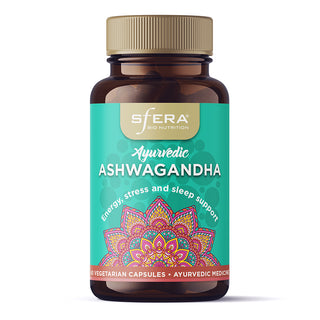
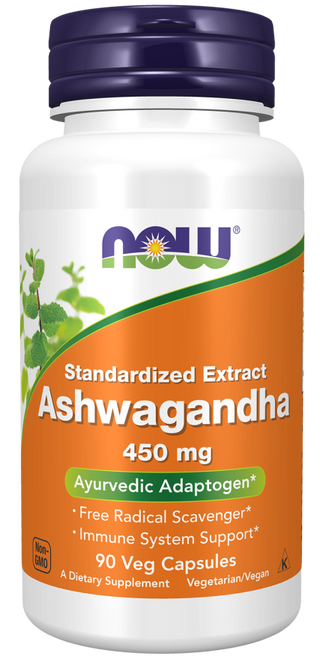
Ashwagandha is a root traditionally used in Ayurvedic practice, and it's the adaptogen I get asked about most often — usually by people dealing with everyday stress, poor sleep, or wanting general energy support. Research suggests it may support the body's stress response and help with relaxation as part of an overall routine.
Caution: ashwagandha may affect thyroid hormone levels, so if you have a thyroid condition, please speak to your doctor before using it. It's also not recommended during pregnancy or breastfeeding, and should be used with caution alongside sedatives or thyroid medication — check with a healthcare professional first.
Rhodiola
Rhodiola rosea is a root that grows in cold, high-altitude regions and has traditionally been used to support mental alertness and reduce feelings of fatigue, particularly during periods of physical or mental strain. Some people prefer it to ashwagandha specifically because it tends to feel more energising rather than calming — the two are often used for different times of day or different needs.
Caution: rhodiola can be mildly stimulating, so some people find it unsuitable to take late in the day if it affects their sleep. Speak to your doctor before use if you have bipolar disorder, as stimulating adaptogens have been linked to triggering manic episodes in some cases, or if you're on antidepressant medication.
Holy basil (tulsi)
Holy basil, also called tulsi, is a herb used traditionally in Indian households, often as a tea, and is generally considered gentler than ashwagandha or rhodiola. It's commonly used for everyday stress support and general wellbeing rather than for a specific acute concern.
Caution: holy basil may affect blood sugar and blood clotting, so check with your doctor before using it if you're diabetic, on blood-thinning medication, or scheduled for surgery. It's also not recommended during pregnancy.
What "cortisol support" honestly means
You'll see adaptogens marketed around cortisol and stress. What that means in practice is that these plants may support the body's normal response to everyday stressors — not that they cure anxiety, treat burnout, or replace medical care for a diagnosed stress or mood disorder. If you're dealing with persistent anxiety, depression, or burnout that's affecting your daily life, please see a doctor. Adaptogens are a support alongside good sleep, movement and rest, not a substitute for professional care.
Realistic timelines
Adaptogens are not a same-day fix. Most people who use them consistently start to notice a difference over 2 to 6 weeks, and the honest answer is that response varies a lot from person to person. Pick one product, take it consistently at the same time each day, and give it a fair trial before deciding whether it's helping — switching between products every week makes it impossible to tell what's actually working.
Who should be extra cautious
- Thyroid conditions — ashwagandha in particular can affect thyroid hormone levels; check with your doctor first.
- Pregnancy and breastfeeding — most adaptogens are not recommended; speak to your doctor before using any of them.
- Autoimmune conditions — some adaptogens may stimulate immune activity; check with your doctor if you have an autoimmune condition.
- On chronic medication — including thyroid medication, antidepressants, sedatives, blood thinners, or diabetes medication — always check with a pharmacist or doctor before adding an adaptogen, as interactions are possible.
- Upcoming surgery — some adaptogens affect blood clotting or blood sugar; stop use and inform your surgical team beforehand if advised to.
How to take adaptogens
Follow the serving size on the specific product's label — doses vary by brand and extract strength. Many people take ashwagandha in the evening if it's being used for sleep and relaxation, and rhodiola earlier in the day if it's being used for alertness. Holy basil is often taken as a tea or capsule at any time of day. Start at the lower end of the label's suggested serving and keep a simple weekly note of energy, sleep and mood so you can judge whether it's genuinely helping.
Where to buy adaptogens in South Africa
One Life Health stocks a range of ashwagandha, rhodiola, holy basil and adaptogen blends in capsule and powder form. Browse the health supplements collection in-store or online at onelife.co.za.
Visit us in-store:
- Centurion (Flagship): 117 Galway Ave, Hennopspark, Centurion, 0157 — 076 913 5059
- Glen Village (Pretoria East): Glen Village Center South, Cnr Solomon Mahlangu Dr & Olympus Dr, Faerie Glen, Pretoria, 0081 — 066 022 7457
- Edenvale (Johannesburg): Shop 7, Green Valley Shopping Centre, Stoneridge Dr, Greenstone Hill, JHB 1609 — 077 356 0173
Free delivery is available nationwide on orders over R400.
Frequently asked questions
Can adaptogens cure anxiety or burnout?
No. They may support the body's response to everyday stress as part of a broader routine, but they are not a treatment for a diagnosed anxiety, mood or stress-related condition. Please see a doctor for persistent symptoms.
Can I take ashwagandha and rhodiola together?
Some people do, often ashwagandha in the evening and rhodiola in the morning, but check with a healthcare professional first, especially if you're on any chronic medication.
Is holy basil safer than ashwagandha or rhodiola?
It's generally considered gentler, but "gentler" doesn't mean risk-free — the same precautions around pregnancy, blood sugar and blood-thinning medication still apply.
How long should I try an adaptogen before giving up on it?
Give it at least 2 to 6 weeks of consistent daily use before judging whether it's helping.
Are adaptogens safe for daily long-term use?
Many people do use them as an ongoing daily habit, but if you have a thyroid condition, are pregnant or breastfeeding, or are on chronic medication, check with your doctor first and periodically reassess with them.
More wellness resources from One Life Health
- Best Probiotics in South Africa (2026 Guide)
- NAD+ & NMN Supplements in South Africa: The Complete Guide (2026)
- Lion's Mane Mushroom: Benefits & Best Supplements in South Africa (2026)
- Browse all supplements
From the apothecary shelf
A few products we'd hand a customer asking for a starting point. Not a paid placement — these are what we actually take, recommend, or keep at the front of the shelf.