

The Apothecary
Women's Health: Cycles, Hormones, and the Years Beyond
Evidence-led support for PMS, PCOS, perimenopause and post-menopause, with clear medical red flags.
Women's health supplements are an industry of promises and a desert of evidence. This guide covers the few things with genuine clinical support — and is upfront about where the science thins out. Written with the women who actually walk into our three stores in mind.
Not sure which one?
Get a quick product pick
Your match
Need a hand?
Find the right supplement faster
Browse the relevant range or ask our team for a quick recommendation.
Who this is for
If you have heavy or irregular cycles; if PMS has become more than a mild week; if you're in your forties and noticing the patterns shifting; if you're peri- or post-menopausal; if PCOS is on your record — this is the starting place. It is not a substitute for a gynaecologist for diagnosis.
Cycle support (reproductive years)
Magnesium
Magnesium glycinate at 300–400 mg is one of the better-studied options for supporting comfort through the cycle — cramps, irritability, breast tenderness and headaches are the areas women most often use it for. Take it daily through the cycle, not just during the premenstrual window, and judge it over two to three cycles.
Vitamin B6 (P5P form)
50–100 mg daily of the P5P (pyridoxal-5-phosphate) form helps PMS-related mood, particularly when combined with magnesium. Don't exceed 100 mg long-term — high-dose B6 can cause peripheral neuropathy.
What we'd suggest: 300–400 mg magnesium bisglycinate, taken daily through the cycle — give it two to three cycles before judging.
Vitex (chasteberry)
Vitex agnus-castus is one of the most widely studied herbs for supporting cycle regularity and premenstrual comfort. 200–400 mg standardised extract, taken in the morning, daily for at least 3 months before judging. Often chosen for irregular cycles and premenstrual low mood.
Evening primrose oil
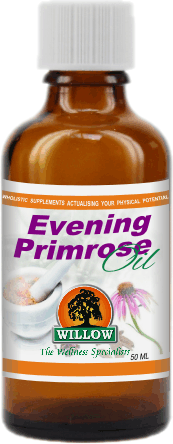
Mixed evidence — works for some women (particularly breast pain), does nothing for others. 1000–2000 mg daily for 3 months is the standard trial.
PCOS — what actually helps
PCOS (polycystic ovary syndrome) is metabolic, not just reproductive. Insulin resistance is the underlying engine for most cases. PCOS needs a gynaecologist leading the plan — alongside that care, these are the supplements most often discussed:
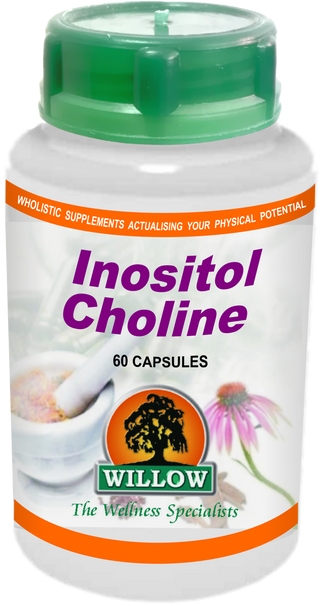
- Inositol (myo + d-chiro 40:1 ratio) — 2 g twice daily of myo-inositol with 50 mg d-chiro-inositol. Studied for supporting normal insulin sensitivity and cycle regularity — discuss it with your doctor before adding it, and give it 3 months.
- N-acetyl cysteine (NAC) — 600 mg twice daily. Studied for supporting insulin sensitivity and ovulatory function. Often used alongside inositol.
- Vitamin D3 — almost universally low in PCOS. 4000 IU daily.
- Berberine — a plant compound studied for its effect on insulin pathways. Because it can interact with blood-sugar medication, this is a discuss-with-your-doctor-first supplement, especially if you're already on metformin or another diabetes treatment.
PCOS deserves a gynaecologist's involvement. Supplements complement, not replace, that conversation.
What we keep on the shelf: myo-inositol with D-chiro-inositol at the 40:1 ratio. 4 g of myo + 100 mg of D-chiro, twice daily. The Italian PCOS studies are the foundation here.
Perimenopause (typically late 30s to early 50s)
Perimenopause is the years before periods stop, when hormones swing wildly. Symptoms: hot flushes, sleep disturbance, anxiety, brain fog, weight redistribution, joint aches, lower libido. The body is recalibrating — and it can take 5–10 years. Supplements can support you through it. HRT is a real option many women benefit from — that conversation belongs with your doctor, and supplements can sit alongside whatever you decide together.
Magnesium glycinate
The same workhorse from the cycle section. 300–400 mg evening. Helps sleep, mood, joint aches, headaches.
Black cohosh (Cimicifuga racemosa)
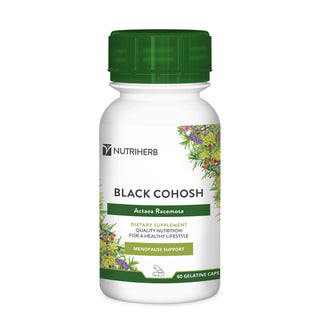
With sage, one of the two herbs most studied for supporting comfort through hot flushes and night sweats. 40 mg standardised extract daily; results vary from woman to woman — give it 8 weeks. Don't use if you have a history of liver disease.
What we'd suggest: Remifemin-style standardised black cohosh for vasomotor symptoms. Give it 8 weeks. If it works, it works clearly; if it doesn't, switch.
Sage
Salvia officinalis at 280 mg standardised extract daily — studied for supporting comfort through hot flushes and night sweats; results vary, so give it 8 weeks too. Often paired with black cohosh.
Adaptogens
Ashwagandha for the anxious-and-not-sleeping profile; rhodiola for the foggy-and-flat profile. See the stress & mood guide.
Phytoestrogens (red clover, soy isoflavones)
Mixed evidence — work for some, do nothing for others. Worth a 3-month trial. Avoid if you have a history of oestrogen-sensitive cancer without oncology input.
Post-menopause: the long game
After periods stop for 12 months, the focus shifts to long-term health: bone density, cardiovascular, cognitive. The non-negotiables:
What we'd look for: a D3 + K2 (MK-7 form) combination taken daily, plus calcium from food rather than tablets — the evidence on tablet calcium and arterial calcification is mixed enough to stay cautious.
- Vitamin D3 + K2 — bone and cardiovascular support.
- Calcium only if dietary intake is genuinely low — supplemental calcium without K2 has cardiovascular question marks. Get it from food first.
- Omega-3 1–2 g EPA+DHA — cognitive and cardiovascular.
- Collagen peptides 10–15 g daily — joint, skin, possibly bone. Modest but real evidence.
- Magnesium for sleep, blood pressure, and mood.
When this isn't a supplement problem
Heavy bleeding (soaking through a pad/tampon every hour); bleeding between periods if you're peri/post-menopausal; sudden severe pelvic pain; breast lumps; nipple discharge; family history of ovarian/breast cancer plus new symptoms — these are gynae-now, not supplement shelf.
Common questions
Where should I start if my symptoms overlap?
Start with the pattern causing the most disruption: cycle pain, mood, sleep, PCOS markers, or post-menopause bone and heart health.
Are hormone supplements safe for everyone?
No. Pregnancy, breastfeeding, hormone-sensitive cancer history, liver disease or complex medication needs a doctor before herbal hormone support.
How long before I judge a product?
For cycle support, give most products two to three cycles. Stop sooner if symptoms worsen or side effects appear.
References
- NIH Office of Dietary Supplements: Iron
- NIH Office of Dietary Supplements: Calcium
- NIH Office of Dietary Supplements: Vitamin D
One Life shortcut: browse the One Life women's health range, or WhatsApp us before combining hormone products.
Shop this at One Life Health
-
 WILLOW - Magnesium Glycinate - 120 Capsules — The workhorse mineral through the sections above, supporting cycle comfort, sleep and mood.
 -
 NOW® - Magnesium Bisglycinate - 227g Powder — A well-absorbed magnesium powder to take daily through the cycle.
 -
 PRIMESELF - Magnesium Complex - 60 Veg Capsules — A magnesium complex for everyday support across the reproductive and perimenopause years.
 -
 ECO VALLEY NUTRITION - Soft Iron Boost - 60 Capsules — A gentle iron for women with heavier cycles, to help maintain normal energy.
 -
 TERRANOVA - Easy Iron 20 mg Complex - 50 Capsules — A food-state iron complex that tends to sit easily on the stomach.
Our top picks for this guide
A few products we'd hand a customer asking for a starting point. Not a paid placement — these are what we actually take, recommend, or keep at the front of the shelf.