


The Apothecary
Magnesium Glycinate vs Citrate vs Orotate: Which to Take
Glycinate vs citrate vs orotate — which magnesium is right for sleep, muscle, mood, or heart support? Here's how to pick.
Magnesium is the single most underrated supplement we sell — and the one most South Africans are quietly deficient in. But the form matters, and the form on the supermarket shelf (oxide) is mostly a waste of money. Here's the difference between glycinate, citrate, orotate, and the rest — and which to pick for sleep, muscle, mood, or heart support.
Not sure which one?
Get a quick product pick
Your match
Need a hand?
Find the right supplement faster
Browse the relevant range or ask our team for a quick recommendation.
Magnesium Glycinate vs Citrate vs Orotate, Which One You Actually Need
The short answer: Magnesium is not one supplement. The form determines what it does in your body. Glycinate = sleep, stress, anxiety. Citrate = constipation. Orotate = heart and muscle performance. Taking the wrong one is why most people think magnesium "doesn't work."
Why everyone suddenly cares about magnesium
Interest in magnesium glycinate specifically has grown noticeably in recent years, making it one of the most asked-about supplements at our counter. There's a reason: many adults don't hit their daily magnesium target through diet alone, and modern stressors poor sleep, caffeine, alcohol, chronic stress all deplete the body's reserves further.
The problem isn't that magnesium doesn't work. It's that people walk into a health store, grab whatever says "magnesium" on the label and end up with a form that either doesn't absorb well, gives them the runs, or simply isn't matched to what they're trying to fix.
Here in South Africa, the situation is compounded by the fact that our soils have become increasingly mineral-depleted over the decades. Even if you eat a balanced diet rich in leafy greens, nuts, seeds and whole grains, you may still fall short of the recommended daily intake. Add in the realities of load shedding–disrupted sleep schedules, high-stress work environments and the ubiquity of processed foods and it's no wonder South Africans are turning to magnesium supplementation in record numbers.
But not all magnesium is created equal and understanding the differences between the major forms could be the difference between life-changing results and a complete waste of money.
A quick chemistry lesson: why the form matters
Magnesium on its own as a pure element, is highly reactive and unstable. To make it safe and absorbable for human consumption, it needs to be bound (or "chelated") to another compound. That carrier molecule fundamentally changes how your body absorbs the magnesium, where it ends up and what effects it produces.
Think of it like a delivery service. The magnesium is the parcel, but the carrier molecule is the delivery driver. Glycine delivers your parcel to the brain and nervous system. Citric acid drops it off in the gut. Orotic acid routes it to heart and muscle tissue. Same parcel, completely different destination.
This is why a blanket recommendation to "take magnesium" is almost useless. You need to match the form to the function you're after.
What each form actually does
Magnesium Glycinate for sleep, stress and anxiety
Magnesium bound to the amino acid glycine. This is the form that crosses the blood-brain barrier most efficiently and glycine itself is a calming neurotransmitter. Research suggests it supports healthy cortisol balance, supports sleep onset and sleep quality, and assists a calmer nervous system in people who are deficient.
Glycine works by activating NMDA receptors in the brain and lowering core body temperature both of which are critical signals your body needs to initiate sleep. A 2012 study published in the Journal of Physiological Anthropology found that glycine supplementation improved subjective sleep quality in participants who routinely struggled to fall asleep. When you combine this calming amino acid with magnesium's ability to regulate the parasympathetic nervous system (your "rest and digest" mode), you get a potent, natural formula for deep relaxation.
Magnesium glycinate is also remarkably gentle on the stomach. Unlike citrate or oxide, it's unlikely to cause loose stools making it the ideal choice for daily, long-term supplementation. Many people report noticeable improvements in sleep quality within the first week, though it can take 4-6 weeks of consistent use before the calming, stress-supporting effect is fully felt.
Pick this if: You struggle to fall asleep, wake up at 3 a.m., have racing thoughts, or are running on chronic stress. Browse our sleep and relaxation collection for high-quality magnesium glycinate options and complementary sleep support products.
Magnesium Citrate for constipation and short-term relief
Bound to citric acid. Highly bioavailable, but it also pulls water into the intestines through an osmotic effect, which is why it's sold as an over-the-counter laxative. Great for quick relief, but not ideal for daily long-term use at high doses.
Magnesium citrate has an absorption rate of roughly 25-30%, which is significantly better than oxide but still not as tissue-targeted as glycinate or orotate. Its primary superpower is its ability to stimulate peristalsis the wave-like muscle contractions that move food through your digestive tract. For anyone dealing with sluggish digestion, occasional constipation, or bloating, citrate can provide relief within hours.
That said, there's an important distinction between therapeutic and laxative doses. At lower doses (100-200 mg of elemental magnesium), citrate can serve as a decent general-purpose magnesium supplement. It's only at higher doses (300 mg+) that the osmotic laxative effect becomes pronounced. If you're using it specifically for digestive support, start low and increase gradually until you find your personal threshold.
Pick this if: You need acute digestive support and don't want glycinate's calming sedation effect. You can find magnesium citrate alongside other digestive aids in our gut health collection.
Magnesium Orotate for heart and muscle performance
Bound to orotic acid. Popular with athletes and people with cardiovascular concerns because orotic acid helps shuttle magnesium into muscle and heart tissue specifically. Orotic acid is a natural substance involved in the biosynthesis of pyrimidines key building blocks for DNA and RNA which means it plays a role in cellular energy production and tissue repair.
Several European studies have investigated magnesium orotate's effects on cardiovascular health, with promising results. Magnesium orotate has been explored in cardiology research for exercise tolerance; active adults choose it to support muscle and exercise recovery — anyone with a heart condition should be guided by their doctor.
Magnesium orotate is generally more expensive than other forms, which reflects its specialised manufacturing process and targeted benefits. It's not the first choice for someone simply looking to improve their sleep but for serious athletes, weekend warriors, and anyone with cardiovascular concerns, it's worth the investment.
Pick this if: You're training hard, dealing with muscle cramps, or your doctor has flagged cardiovascular risk factors. Pair it with other performance-supporting products from our sports nutrition range.
Magnesium Oxide avoid for targeted benefits
Cheap, common, but only about 4% bioavailable. Most of it just passes straight through you. If you've ever tried magnesium and felt nothing, there's a strong chance you took oxide. Magnesium oxide contains a high percentage of elemental magnesium by weight, which is why it looks impressive on the label "500 mg magnesium!" but the reality is that your body can barely absorb any of it.
Oxide is the form most commonly found in cheap multivitamins and budget health store brands. It's not inherently harmful, but it's not doing much for you either. If you're spending money on a magnesium supplement, you deserve one that actually works.
Other forms worth knowing about
Magnesium L-Threonate: A newer form specifically designed to cross the blood-brain barrier. Early research suggests it may support memory and cognitive function, making it of interest for age-related cognitive decline. It's pricier and less widely available in South Africa, but worth watching.
Magnesium Taurate: Bound to the amino acid taurine, another calming compound with cardiovascular benefits. Some practitioners recommend it as a middle ground between glycinate (for calming) and orotate (for heart health).
Magnesium Malate: Bound to malic acid, a compound involved in the Krebs cycle (your body's energy production pathway). Sometimes chosen by people looking for support with everyday fatigue, as it may help support cellular energy production.
What many customers choose: magnesium bisglycinate in the evening to support sleep and nervous-system calm, adding a magnesium citrate during the day when exercise cramps are the issue.
How much to take
For most adults, 200-400 mg of elemental magnesium per day is the research-backed range. That's the elemental number, not the total capsule weight check the label, because "500 mg magnesium glycinate" might only contain 60-100 mg of actual elemental magnesium.
Here's a quick reference for the Recommended Dietary Allowance (RDA) by age and sex:
- Adult men (19-51+): 400-420 mg/day
- Adult women (19-51+): 310-320 mg/day
- Pregnant women: 350-360 mg/day
- Breastfeeding women: 310-320 mg/day
Remember, these numbers include what you get from food. If your diet already includes magnesium-rich foods like spinach, pumpkin seeds, dark chocolate, almonds and avocado, you may only need to supplement 200 mg to close the gap. If your diet is lacking in these foods, you'll want to aim for the higher end of the supplemental range.
Best taken in the evening especially if you're using magnesium glycinate for sleep. Taking it 30-60 minutes before bed allows your body time to absorb it and begin the relaxation process. If you're taking citrate for digestive purposes, morning or midday may be more practical. Orotate can be taken at any time, though many athletes prefer splitting the dose between morning and post-workout.
Signs you might be magnesium deficient
Magnesium deficiency doesn't always show up as a dramatic health crisis. More often, it manifests as a collection of nagging, seemingly unrelated symptoms that people chalk up to "just getting older" or "being stressed." Watch for these common signs:
- Muscle cramps and twitches - especially in the calves, feet, or eyelids
- Difficulty falling or staying asleep - particularly waking between 2-4 a.m.
- Anxiety, irritability, or low mood - magnesium is essential for neurotransmitter regulation
- Fatigue and low energy - magnesium is involved in over 300 enzymatic reactions, many related to energy production
- Headaches or migraines - magnesium helps regulate blood vessel tone and neurotransmitter activity
- Constipation - magnesium relaxes smooth muscle in the digestive tract
- Heart palpitations - magnesium is critical for maintaining normal heart rhythm
- Sugar cravings - particularly for chocolate (which is, coincidentally, high in magnesium)
If you're experiencing several of these symptoms simultaneously, magnesium deficiency is worth investigating. A simple blood test through your GP can check serum magnesium levels, though it's worth noting that serum tests only reflect about 1% of your body's total magnesium stores most of it is in your bones and soft tissues. Some integrative practitioners use red blood cell (RBC) magnesium testing for a more accurate picture.
A note on magnesium oxide: it's the cheap default form and it's mostly a laxative. If your magnesium is sending you to the bathroom, it's not the dose — it's the form.
What depletes your magnesium levels
Even if you're supplementing, certain lifestyle factors can drain your magnesium faster than you can replenish it:
- Chronic stress: Cortisol and adrenaline increase magnesium excretion through the kidneys. The cruel irony? Low magnesium makes you more susceptible to stress, creating a vicious cycle.
- Caffeine: Coffee and energy drinks increase renal magnesium loss. If you're a 3-cups-a-day person, you're likely losing significant magnesium.
- Alcohol: Even moderate alcohol consumption meaningfully increases the magnesium your body loses through urine.
- Refined sugar and processed foods: These provide virtually no magnesium while requiring it for metabolism.
- Certain medications: Proton pump inhibitors (PPIs), diuretics, antibiotics, and some blood pressure medications can all deplete magnesium.
- Intense exercise: Sweating and increased metabolic demand during training raise magnesium requirements significantly.
If several of these factors apply to you, consider supporting your magnesium intake alongside a broader stress and mood support strategy that addresses the root causes of depletion.
Stacking magnesium with other supplements
Magnesium doesn't work in isolation. Several nutrients enhance its absorption and effectiveness, while others compete with it. Here's how to stack smartly:
Synergistic combinations
- Magnesium + Vitamin D: Your body needs magnesium to convert vitamin D into its active form. Supplementing vitamin D without adequate magnesium can actually worsen a magnesium deficiency. If you're taking vitamin D (and most South Africans should be, despite our sunshine), make sure you're also getting enough magnesium.
- Magnesium + Vitamin B6: B6 helps transport magnesium into cells, increasing its intracellular availability. Many high-quality magnesium supplements include a small dose of B6 for this reason.
- Magnesium + Zinc: These minerals work together in hundreds of enzymatic reactions. The classic "ZMA" (zinc, magnesium, and B6) stack is popular among athletes for recovery and sleep.
- Magnesium glycinate + Ashwagandha: For stress support many customers pair the two: ashwagandha has been studied for supporting a healthy stress response through a different pathway than magnesium.
What to avoid taking at the same time
- Calcium: High-dose calcium and magnesium compete for the same absorption pathways. If you take both, separate them by at least 2 hours.
- Iron: Similarly, iron and magnesium can interfere with each other's absorption. Take them at different times of day.
Browse our full vitamins and minerals collection to find the right magnesium form and complementary nutrients for your specific needs.
Quick-reference decision guide
Still unsure which form to choose? Use this cheat sheet:
| Your main goal | Best form |
|---|
Compare magnesium forms at One Life
Browse One Life's magnesium collection to compare glycinate, citrate, orotate, multi-mag blends, and recovery support products in one place.
Which magnesium form for which goal
| Your main goal | Best form | Absorption | Notes |
|---|---|---|---|
| Sleep, stress, a calmer evening | Glycinate (bisglycinate) | Well absorbed | Gentlest on the stomach; good for daily long-term use |
| Digestive regularity | Citrate | Well absorbed | Draws water into the gut; start low |
| Muscle and exercise support | Orotate | Well absorbed | Popular with active adults; usually pricier |
| Broad daily top-up | Complex / trace-mineral blend | Varies | Several forms in one product |
| Lowest cost per label mg | Oxide | Poorly absorbed | Most likely to loosen the stomach; least targeted |
Frequently Asked Questions
Which magnesium is best for sleep and stress?
Most people reach for magnesium glycinate (bisglycinate) here. It is well absorbed, gentle on the stomach, and glycine itself has a calming quality, which is why it is popular as part of an evening wind-down routine.
Which form helps with constipation?
Magnesium citrate is the form most associated with digestive regularity, because it draws water into the gut. Start low, as higher doses can loosen the stomach.
Why did a cheap magnesium do nothing for me?
It was probably oxide, which is poorly absorbed, so most of it passes straight through. A glycinate, citrate, or orotate is usually a better use of your money for targeted support.
How much magnesium should I take?
For most adults, 200 to 400mg of elemental magnesium a day is the usual range, and that includes what you get from food. Check the elemental amount on the label rather than the total capsule weight, and stay within the label maximum.
Can I take magnesium with my other supplements?
Generally yes, though it is worth spacing magnesium apart from high-dose calcium or iron, which compete for absorption. If you take chronic medication, check with your doctor or pharmacist first.
Shop this range at One Life Health
-
 WILLOW Magnesium Glycinate - 120 Capsules — a gentle glycinate for sleep, stress, and daily use.
 -
 NOW Magnesium Bisglycinate - 227g Powder — the same glycinate form in an adjustable powder.
 -
 NOW Magnesium Citrate - 120 Veg Capsules — a well-absorbed citrate for digestive regularity support.
 -
 FORTIFOOD Magnesium Orotate - 120 Capsules — the orotate form active adults choose for muscle support.
 -
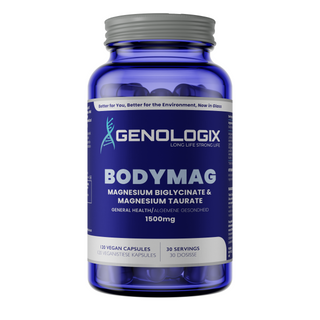
 GENOLOGIX BodyMag Magnesium Glycinate + Taurate - 120 Veg Capsules — glycinate paired with calming taurate.
 -
 NATROCEUTICS SA Magnesium Complex - 60 Capsules — a broad-spectrum complex from a trusted local brand.
Match the form to your goal, take it consistently, and check the elemental magnesium on the label. Our consultants can help you choose in-store or online.
Our top picks for this guide
A few products we'd hand a customer asking for a starting point. Not a paid placement — these are what we actually take, recommend, or keep at the front of the shelf.