


The Apothecary
Energy & Vitality: Beyond the Coffee Crash
If coffee isn't doing it any more and you're tired before the day's begun, here's what 30 years on the shop floor has taught us about why, and what actually moves the needle.
Most energy supplements treat the symptom (tiredness) without addressing the cause (deficiency, sleep debt, mitochondrial overload, thyroid). This guide walks the actual triage, what to rule out, what to take and the difference between 'I need a coffee' and 'I need bloods done'.
Not sure which one?
Get a quick product pick
Your match
Need a hand?
Find the right supplement faster
Browse the relevant range or ask our team for a quick recommendation.
Who this is for
If you wake unrested no matter how long you sleep; if afternoon energy crashes are routine; if you feel flatter than you did a year ago without a clear reason; if you've started reaching for caffeine to function rather than enjoy, this is for you.
Step zero: get bloods done
Before spending on supplements, spend on a blood test. The five panels worth running, with your GP:
- Ferritin (not just haemoglobin) - iron stores. The most common cause of unexplained fatigue in women under 50.
- Vitamin B12 and folate - particularly if you're vegetarian/vegan, over 60, or on metformin.
- Vitamin D (25-OH) - almost everyone in SA needs supplementation.
- TSH and free T4 - thyroid function. Hypothyroidism is the great impersonator.
- Glucose and HbA1c - early insulin resistance feels exactly like 'low energy'.
If anything's out of range, take the result back to your GP — some gaps (iron, B12, vitamin D) can then be closed with the right supplement; thyroid and blood-sugar findings need medical care first.
The short version (after bloods)
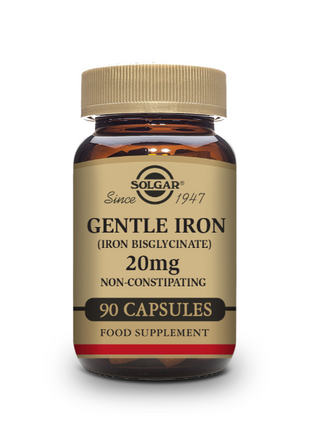
- Iron bisglycinate if your GP confirms low iron stores - the form matters; ferrous sulphate is a constipation factory.
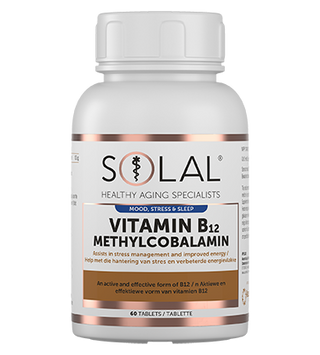
- Methylcobalamin B12 sublingual if your GP confirms low B12 - the methylated form bypasses absorption issues.
- Vitamin D3 2000–4000 IU - see the immunity guide.
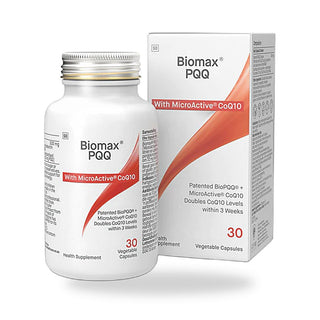
- CoQ10 100–200 mg - particularly if over 40 or on a statin.
- Magnesium 300–400 mg evening - energy production requires it.
- Rhodiola rosea 200–400 mg morning - if the issue is fatigue with stress.
- B-complex daily - supports all energy-producing pathways.
Iron - the most common miss
Haemoglobin can be 'normal' while ferritin (iron stores) is depleted. This is particularly common in menstruating women — haemoglobin can look fine on the standard panel while ferritin quietly runs low. What counts as an adequate ferritin level is individual: ask your GP to test ferritin specifically, and let them guide whether iron supplementation makes sense for you.
Form matters. Ferrous sulphate (the cheapest, most common) commonly causes constipation and gut upset. Iron bisglycinate (also sold as ferrous bisglycinate) is gentler and absorbs as well or better. Take with vitamin C to enhance absorption; away from coffee, tea and calcium supplements, which inhibit it.
What we keep on the shelf: bisglycinate or pyrophosphate iron, gentler on the gut than ferrous sulphate, less constipation. We pair it with a vitamin C tablet at the same dose.
B12 - particularly if you're vegetarian or over 60
B12 is only found in animal products. Plant-based eaters need supplementation, no exceptions. The over-60s often have reduced stomach acid, which impairs B12 absorption - even meat-eaters can become deficient. Methylcobalamin is the bio-active form; sublingual tablets bypass any absorption issues. 1000 mcg daily for a month if levels are low, then maintenance at 500 mcg.
What we'd suggest: sublingual methylcobalamin at 1000 mcg — the sublingual route bypasses the stomach, so it suits people whose absorption is the issue.
CoQ10 - for the mitochondria
CoQ10 is the molecule that shuttles electrons inside your mitochondria to produce ATP. Production declines from your mid-30s. Statins reduce CoQ10 synthesis as a side effect of how they work — if you're on a statin, CoQ10 is worth raising with your doctor. 100 mg daily is a sensible baseline; 200 mg if statin-related fatigue is clear.
Ubiquinol (the reduced form) is better absorbed than ubiquinone (the oxidised form). Take with a fatty meal, it's fat-soluble.
What we'd suggest: ubiquinol form (not ubiquinone) if you're over 40, much better absorption. 100–200 mg with a fat-containing meal.
Rhodiola - for stress-flavoured fatigue
If your fatigue arrived alongside a stressful period, rhodiola is your friend. See the stress & mood guide for dosing detail. Morning only, never after lunch.
What's overhyped
- Energy drinks and pre-workouts as daily supplements - sugar and caffeine, not energy support.
- NAD precursors at retail dosing - interesting science, current retail products usually under-dosed.
- Adrenal supports with adrenal cortex extract - variable quality control, often unnecessary.
- 'Energy multivitamins' with B vitamins in food doses - usually fine but no better than a good B-complex.
When this isn't a supplement problem
Sudden unexplained fatigue; fatigue with weight loss; fatigue with night sweats; fatigue with new bruising or bleeding; fatigue with shortness of breath at rest, all need a GP, not a supplement shelf.
Shop this at One Life Health
-
 ECO VALLEY NUTRITION - Soft Iron Boost - 60 Capsules — A gentler iron option, easier on the gut than plain ferrous sulphate — best paired with vitamin C, away from coffee.
 -
 BIOMAX® - CoQ10 - 30 Capsules — CoQ10 to support cellular energy production, worth considering from your 40s or on a statin (check with your doctor).
 -
 TERRANOVA - B Complex with Vitamin C - 50 Capsules — A daily B-complex to support the body's normal energy-producing pathways.
 -
 WILLOW - Magnesium Glycinate - 120 Capsules — Evening magnesium — energy production and restful sleep both rely on adequate levels.
 -
 NATROCEUTICS® SA - Activated B-Complex Advanced 30 Capsules — An activated B-complex if you prefer the methylated forms mentioned above.
Our top picks for this guide
A few products we'd hand a customer asking for a starting point. Not a paid placement — these are what we actually take, recommend, or keep at the front of the shelf.