


The Apothecary
Immunity: Year-Round Defence, Not Just Winter
Your immune system isn't a winter problem. Here's what we take year-round, what we add in May, and the supplements that earn their place in a South African medicine cabinet.
The immune system doesn't need 'boosting', that's marketing language for a system that already works. It needs supporting, which means giving it the inputs it needs to do its job. After 30 years of cold-and-flu seasons in our stores, here's what actually moves the needle.
Not sure which one?
Get a quick product pick
Your match
Need a hand?
Find the right supplement faster
Browse the relevant range or ask our team for a quick recommendation.
Who this is for
If you catch every bug going around; if you're going into winter and want to be ready; if you've just travelled and want to recover faster; if you're worn down from a stressful season and your colds are lasting weeks instead of days, this is for you. If you're immunocompromised, on immunosuppressants, or recovering from a serious illness, talk to your specialist first.
The short version
- Vitamin D3 at 2000–4000 IU daily - the single most underrated immune supplement in SA, particularly in winter.
- Vitamin C at 500–1000 mg daily, ramped to 2–3 g at the first sign of a cold.
- Zinc at 15–30 mg daily, taken with food.
- Elderberry at the first sneeze - traditionally used to support the body through the cold-and-flu season.
- Quercetin with vitamin C - a popular pairing for supporting the body through allergy season.
- Probiotics - yes, gut health and immune health are the same conversation.
Vitamin D - the one most South Africans miss
You'd think a country with this much sunshine wouldn't have a vitamin D problem. We absolutely do. SA studies repeatedly find 30-60% of urban adults are deficient. Why? Indoor work, sunscreen, melanin in the skin and the fact that from May to August, the sun's angle in Gauteng is too low to make meaningful D3.
Vitamin D is not really a vitamin, it's a hormone that controls hundreds of genes, including the ones that tell immune cells what to do. Deficiency is associated with more frequent colds, longer recovery, worse outcomes from respiratory infections. 2000 IU daily is the conservative dose. 4000 IU daily is fine for most adults and brings most people to optimal within three months. Take it with a meal containing fat, D3 is fat-soluble.
Vitamin C - yes, still
Despite decades of overhype, vitamin C is genuinely useful. The classic linus pauling claim (mega-doses prevent colds) was wrong. The more nuanced finding: regular vitamin C is one of the better-studied nutrients for supporting the immune system through the season, particularly in people under physical stress (athletes, shift workers, the elderly).
500-1000 mg daily as a maintenance dose. Bump to 2-3 g per day at the first symptom of a cold, split across the day (your body excretes excess in urine, frequent small doses beat one large one). Liposomal vitamin C is better absorbed but more expensive; whether the price is worth it is a personal call.
Zinc - the underdog
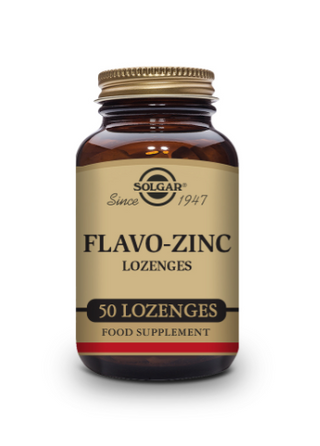
Zinc lozenges taken at the first sign of a cold are a popular traditional way to support the immune system. Daily 15–30 mg supplementation supports the immune system year-round, particularly important for vegetarians (plant zinc is poorly absorbed) and the over-60s. Don't take zinc on an empty stomach, it causes nausea. Pair it with food.
Long-term high-dose zinc (above 50 mg/day for months) interferes with copper absorption. Stay in the 15-30 mg range for daily use.
Elderberry - the first-sign tradition
Elderberry (Sambucus nigra) is traditionally used to support the body through the cold-and-flu season, especially at the first sign of symptoms. Syrup or capsules both work. This is the supplement we hand to customers who come in feeling that first scratchy throat. Children's syrup formulations are also available.
Quercetin - for the sinus crowd
Quercetin is a plant flavonoid found in onions, apples, and red wine. It has been studied for supporting the body's normal histamine response. Pairs well with vitamin C, they recycle each other. Particularly worth considering during spring allergy season in SA.
Probiotics - the immune-gut axis
A large share of your immune cells live in or around the gut. The microbiome trains them. A robust gut microbiome is, functionally, an immune system. If you've been on antibiotics in the last six months, you're starting from a weakened position immunologically, restore the gut and the immune system follows. See our gut health guide for strain selection.
South African winter stack
If we had to pick four things to take from May through August in Gauteng:
- Vitamin D3 at 4000 IU with breakfast
- Vitamin C at 1000 mg, ideally split morning and evening
- Zinc at 15 mg with lunch
- A broad-spectrum multivitamin for the trace minerals everything else assumes you have
Add elderberry the moment you feel anything coming on.
What many parents choose: elderberry syrup at the first sniffle — a standardised extract is what we'd look for on the label.
What's overhyped
- Daily echinacea - traditionally used in short bursts at illness onset; the evidence doesn't support it as a daily preventive.
- Colloidal silver taken internally — the evidence doesn't support it; topical gels are a different conversation.
- Mega-dose vitamin C IVs - fine for occasional use, no evidence they beat oral C for ongoing immune support.
- 'Immune-boosting' shots from juice bars - usually a teaspoon of ginger and a marketing department.
When this isn't a supplement problem
Frequent infections that don't respond to ordinary support; unexplained weight loss; recurrent thrush; persistent fever; lymph nodes that don't resolve, these are immune-system signals that need a GP, not a supplement aisle.
Shop this at One Life Health
-
 METAGENICS - Vitamin D3 1000™ - 120 Tablets — The vitamin D3 most South Africans are short on through winter, to support normal immune function.
 -
 PMR NUTRITION - Vitamin C Powder - 150g — An affordable vitamin C powder for daily maintenance, easy to ramp at the first sign of a cold.
 -
 METAGENICS - Zinc Glycinate - 60 Tablets — A gentle, well-absorbed zinc for daily immune support, taken with food.
 -
 NOW® - Sambucus Zinc-C - 60 Lozenges — Elderberry with zinc and vitamin C in a lozenge, handy for the first scratchy throat.
 -
 BIOMAX® - Vitamin C Liposomal - 30 Capsules — A liposomal vitamin C for better absorption if you can stretch to it.
Our top picks for this guide
A few products we'd hand a customer asking for a starting point. Not a paid placement — these are what we actually take, recommend, or keep at the front of the shelf.