
Eat Well, Feel Brilliant
Eat Well, Feel Brilliant: How Nutrition Shapes Your Mood, Mind, and Mental Wellbeing
We often think of food in terms of physical health — managing weight, building muscle, or keeping our hearts strong. But there's a powerful, growing body of evidence showing that what you eat has a profound effect on how you feel. Your mood, your ability to concentrate, your resilience to stress, and even the quality of your sleep are all deeply influenced by the nutrients you put on your plate every day.
Quick pick
Compare the top picks in this guide
Skim the products mentioned here, choose the best fit, and add it to cart without hunting through the article.
| Product | Price | Best for | Buy |
|---|
Not sure which one?
Get a quick product pick
Your match
Need a hand?
Find the right supplement faster
Browse the relevant range or ask our team for a quick recommendation.
In South Africa, where the pace of life is demanding and stress levels are consistently high, understanding the connection between nutrition and mental wellbeing isn't just interesting — it's essential. This guide will walk you through the science behind food and mood, the best brain-boosting nutrients, practical meal ideas, and simple daily habits that can help you feel calmer, sharper, and genuinely happier from the inside out.
Nutrition Meets Your Mind
Life moves fast, and sometimes we forget that what we eat doesn't just feed our bodies — it feeds our mood too. The right foods can help you feel calmer, more focused, and even a little happier. It's about feeling good from the inside out.
The field of nutritional psychiatry has exploded in recent years, with researchers around the world — including prominent South African health institutions — confirming that dietary patterns are directly associated with the risk of depression, anxiety, and cognitive decline. A landmark study published in BMC Medicine (the SMILES trial) demonstrated that people with moderate to severe depression who improved their diets experienced significantly greater improvements in mood compared to those who received social support alone.
This isn't about fad diets or eliminating food groups. It's about consistently choosing whole, nutrient-dense foods that give your brain the building blocks it needs to produce feel-good neurotransmitters, regulate inflammation, and maintain healthy energy levels throughout the day.
Feed Your Brain: The Gut-Brain Connection
Your gut and brain are in constant conversation, and keeping both happy makes a big difference to your day. Start with simple, nourishing choices: a creamy avocado on wholegrain toast in the morning, paired with a soothing cup of chamomile tea. Small habits, big impact.
Understanding the Gut-Brain Axis
Your gut is sometimes called your "second brain," and for good reason. The gut and brain are connected via the vagus nerve — a superhighway of communication that sends signals in both directions. Approximately 90% of your body's serotonin (the neurotransmitter most associated with happiness and emotional stability) is actually produced in your gut, not your brain.
This means that an unhealthy gut can directly contribute to feelings of anxiety, low mood, brain fog, and irritability. Conversely, a well-nourished gut microbiome — teeming with diverse, beneficial bacteria — supports emotional resilience and mental clarity.
How to Support Your Gut Health
- Eat fermented foods regularly: Yoghurt, kefir, sauerkraut, kimchi, and kombucha all introduce beneficial probiotic bacteria into your digestive system.
- Include prebiotic fibre: Foods like garlic, onions, leeks, bananas, oats, and asparagus feed the good bacteria already living in your gut.
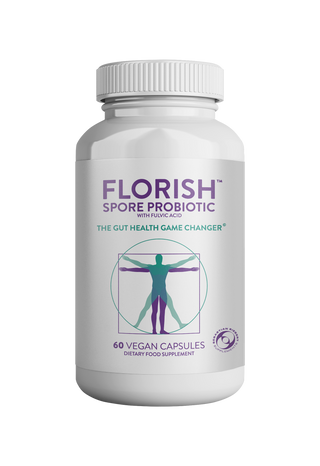
- Consider a quality probiotic supplement: If your diet doesn't consistently include fermented foods, a daily probiotic supplement can help maintain a healthy, diverse microbiome and support both digestive comfort and emotional wellbeing.
- Reduce ultra-processed foods: Highly processed foods, artificial sweeteners, and excessive sugar can disrupt the balance of gut bacteria, promoting inflammation that negatively affects mood.
Brain-Boosting Foods: What to Eat for a Better Mood
Some foods are basically little mood-lifting treats for your brain. Here are the key players you should be including in your diet as often as possible:
- Leafy Greens & Spinach: Packed with magnesium, they help ease stress and keep your mind sharp. Magnesium is sometimes referred to as "nature's tranquilliser" because of its role in calming the nervous system. Folate, another nutrient abundant in dark leafy greens, is essential for the production of serotonin and dopamine.
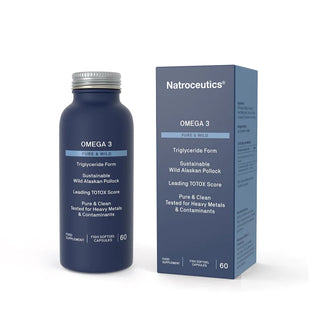
- Fatty Fish like Salmon: Omega-3 fatty acids (specifically EPA and DHA) are great for focus, memory, and keeping your mood steady. Research consistently shows that populations with higher omega-3 intake have lower rates of depression. Aim for two to three servings of fatty fish per week, or consider a high-quality omega-3 supplement.
- Nuts & Seeds: Walnuts, almonds, flaxseeds, chia seeds, and pumpkin seeds are rich in healthy fats, magnesium, zinc, and vitamin E — all of which support brain function and emotional balance. A small handful of mixed nuts makes a perfect mid-afternoon snack that stabilises blood sugar and keeps your mood even.
- Berries: Blueberries, strawberries, and blackberries are loaded with antioxidants called flavonoids, which have been shown to reduce inflammation in the brain and improve memory and cognitive performance.
- Dark Chocolate (70%+ cocoa): Yes, chocolate can be good for you! Dark chocolate contains flavonoids, caffeine, and theobromine, all of which can enhance mood and cognitive function. It also stimulates the production of endorphins. Enjoy a square or two as a mindful treat.
- Whole Grains: Brown rice, oats, quinoa, and wholegrain bread provide a steady supply of glucose to the brain, preventing the energy crashes and mood dips associated with refined carbohydrates.
- Eggs: A brilliant source of choline (essential for memory and brain development), B vitamins, and complete protein. Starting your day with eggs can set you up for sustained focus and stable energy.
- Legumes: Lentils, chickpeas, and beans are excellent sources of B vitamins, iron, and fibre. They help regulate blood sugar and provide the amino acid tryptophan, a precursor to serotonin.
For days when your diet might fall short, adding a quality superfood supplement to your morning smoothie can help bridge the nutritional gap and ensure your brain gets the support it needs.
Key Nutrients for Mental Wellbeing
Understanding which specific nutrients matter most for mood and cognition can help you make targeted, effective food choices:
Omega-3 Fatty Acids
Found in fatty fish, flaxseeds, chia seeds, and walnuts, omega-3s are critical structural components of brain cell membranes. They reduce neuroinflammation and support the production of neurotransmitters. Multiple meta-analyses have confirmed that omega-3 supplementation can significantly reduce symptoms of depression.
Magnesium
Often called the "anti-stress mineral," magnesium plays a role in over 300 enzymatic reactions in the body, including those that regulate the nervous system. Low magnesium levels are associated with increased anxiety, insomnia, and irritability. Dark leafy greens, nuts, seeds, dark chocolate, and avocados are all excellent sources. If you struggle with stress or poor sleep, a dedicated stress and mood support supplement containing magnesium may make a noticeable difference.
B Vitamins
The B-vitamin family — particularly B6, B9 (folate), and B12 — are essential for neurotransmitter synthesis and energy production. Deficiencies in these vitamins are strongly linked to depression, fatigue, and cognitive impairment. Good food sources include eggs, leafy greens, legumes, meat, and fortified cereals.
Vitamin D
Despite South Africa's abundant sunshine, vitamin D deficiency is surprisingly common, particularly among those who spend most of their time indoors. Vitamin D receptors are found throughout the brain, and low levels are consistently associated with depression and seasonal mood changes. Explore our range of vitamins and minerals to find a vitamin D supplement that suits your needs.
Zinc
This trace mineral is found in high concentrations in the brain and is crucial for neurotransmitter function. Low zinc levels have been linked to depression and poor cognitive performance. Pumpkin seeds, red meat, chickpeas, and cashews are all good dietary sources.
Iron
Iron deficiency is one of the most common nutritional deficiencies worldwide and is particularly prevalent among South African women. Low iron leads to fatigue, poor concentration, and low mood because iron is needed to transport oxygen to the brain. Include iron-rich foods like red meat, spinach, lentils, and fortified cereals in your diet regularly.
Practical Meal Ideas for a Happier Day
Knowing what to eat is one thing — putting it into practice is another. Here are some simple, delicious meal ideas that incorporate brain-boosting nutrients into your daily routine:
Breakfast
- Overnight oats topped with mixed berries, chia seeds, walnuts, and a drizzle of honey
- Scrambled eggs on wholegrain toast with sautéed spinach and sliced avocado
- A green smoothie with spinach, banana, almond butter, and a scoop of superfood powder
Lunch
- Grilled salmon salad with mixed greens, cherry tomatoes, pumpkin seeds, and olive oil dressing
- Lentil and vegetable soup with a slice of wholegrain bread
- Chicken and chickpea Buddha bowl with roasted sweet potato, leafy greens, and tahini dressing
Dinner
- Baked fish with roasted vegetables (broccoli, butternut, and beetroot) and brown rice
- Bean and vegetable stir-fry with quinoa and a squeeze of fresh lemon
- Grilled chicken with a large mixed salad, avocado, and wholegrain couscous
Snacks
- A handful of mixed nuts and a few squares of dark chocolate
- Apple slices with almond butter
- Natural yoghurt with berries and a sprinkle of granola
- Hummus with carrot and celery sticks
Lifestyle Habits That Amplify Good Nutrition
Food is the foundation, but it works best when combined with other healthy habits. Think of these as the lifestyle multipliers that amplify the mood-boosting benefits of good nutrition:
Stay Hydrated
Even mild dehydration can impair concentration, increase irritability, and worsen anxiety. Aim for at least eight glasses of water a day, and more if you're active or live in a warm part of South Africa. Herbal teas — chamomile, rooibos, and peppermint — count towards your fluid intake and offer their own calming benefits.
Prioritise Sleep
Poor sleep disrupts the hormones that regulate appetite and mood, creating a vicious cycle of cravings for sugary, processed foods and emotional instability. Create a consistent bedtime routine, limit screen time before bed, and consider natural sleep and relaxation support if you struggle to wind down at night.
Move Your Body
Regular physical activity — even a brisk 30-minute walk — increases the production of endorphins and BDNF (brain-derived neurotrophic factor), a protein that supports brain health and new neural connections. Exercise and good nutrition together create a powerful synergy for mental wellbeing.
Manage Stress Mindfully
Chronic stress depletes your body's stores of magnesium, B vitamins, and vitamin C at an accelerated rate. This is why people under sustained stress often experience worsening mood and energy levels even if their diet is reasonable. Practices like deep breathing, meditation, journaling, and spending time in nature can help regulate your stress response and preserve your nutritional reserves.
Limit Alcohol and Caffeine
While a morning coffee can be part of a healthy routine, excessive caffeine can increase anxiety and disrupt sleep. Alcohol, although initially relaxing, is a central nervous system depressant that disrupts sleep architecture and depletes B vitamins and magnesium. Moderation is key.
Foods to Limit for Better Mental Health
Just as certain foods can lift your mood, others can drag it down. Be mindful of these common dietary culprits:
- Refined sugars and white flour: These cause rapid blood sugar spikes and crashes, leading to energy slumps, irritability, and cravings.
- Ultra-processed foods: Chips, sweets, fast food, and processed meats are often high in trans fats, artificial additives, and sodium — all of which promote inflammation and have been linked to higher rates of depression.
- Sugary drinks: Soft drinks and sweetened juices provide empty calories and significant blood sugar disruption without any nutritional benefit.
- Excessive alcohol: Regular heavy drinking is strongly associated with anxiety, depression, and impaired cognitive function.
You don't need to be perfect. The goal is to shift the balance of your diet so that whole, nutrient-rich foods make up the majority of what you eat, while treats and less nutritious options remain occasional rather than habitual.
Start Small, Build Momentum
If the idea of overhauling your entire diet feels overwhelming, don't worry — you don't need to change everything at once. Sustainable change comes from small, consistent steps. Here are some easy starting points:
- Add one extra serving of vegetables to your lunch or dinner today.
- Swap your afternoon biscuit for a handful of nuts and a piece of fruit.
- Start your morning with protein — eggs, yoghurt, or a smoothie with nut butter — to stabilise your blood sugar and mood for hours.