


The Apothecary
WINTER ROUTINES FOR MORNING, AFTERNOON & NIGHT
South African winters bring shorter days, colder mornings, and increased exposure to seasonal bugs. A well-structured daily routine can help you stay nourished and resilient through the chilliest months.
Dark when you wake up, dark when you knock off, a heater fighting a losing battle, and that office cold making its third lap of the building? A South African winter is short, but it doesn't fight fair — less sunshine, heavier food, flu season, and energy levels that flatline by mid-July.
Not sure which one?
Get a quick product pick
Your match
Need a hand?
Find the right supplement faster
Browse the relevant range or ask our team for a quick recommendation.
Here's the honest version: you don't need a 14-step wellness regime to get through winter well. You need three small anchors — one in the morning, one in the afternoon, one at night — done consistently. That's the whole system. Here's exactly what we'd do, and why each piece earns its place.
What we'd suggest
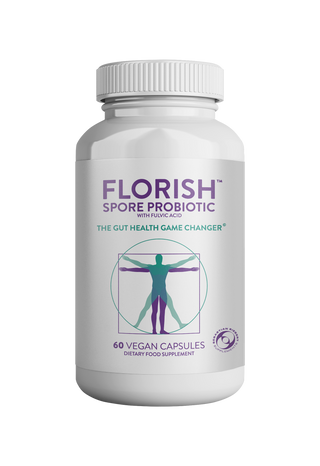
- Morning: a probiotic on an empty stomach, 15–30 minutes before breakfast — roughly 70% of your immune system lives in your gut.
- Afternoon: turmeric and cayenne in your lunch or a golden milk latte, plus vitamin D3 with a meal — the indoor-winter-desk life starves you of the sunshine vitamin.
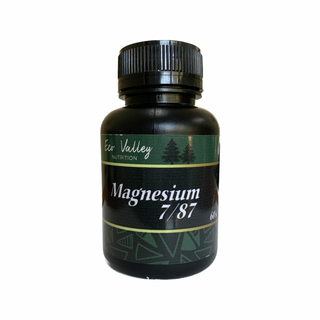
- Night: magnesium glycinate, 200–400mg, 30–60 minutes before bed — better sleep is the cheapest immune booster there is.
- Give it the full season: these are 4–6 week habits, not overnight fixes. And if you're flattened by every bug despite doing the basics, that's a chat-with-your-doctor situation, not a supplement one.
Morning Routine: Gut Health
Starting your day with probiotics can work wonders for your gut health and overall vitality. Probiotics are beneficial bacteria that promote a healthy balance in your gut microbiome — the complex ecosystem of trillions of microorganisms living in your digestive tract. During winter, when our immune systems are under increased pressure, maintaining a thriving gut microbiome becomes even more critical.
Why gut health matters more in winter
During the colder months, we tend to eat heavier, more comfort-driven foods, exercise less, and spend more time indoors. All of these factors can negatively affect our gut bacteria. Stress — whether physical or emotional — also increases during winter, and stress is a well-documented disruptor of gut health. By proactively supporting your microbiome each morning, you're setting the foundation for better health throughout the entire day.
- Improved Digestion: Probiotics help break down food, making it easier for your body to absorb nutrients. They also assist in relieving common digestive issues like bloating, gas, and indigestion — particularly important in winter when we tend to consume richer, heavier meals.
- Enhanced Immunity: Approximately 70% of our immune system resides in our gut. By promoting a healthy gut microbiome, probiotics can strengthen your immune system and protect against common winter illnesses such as colds, flu, and respiratory infections. Research published in the British Journal of Nutrition has shown that regular probiotic supplementation can reduce the incidence and duration of upper respiratory tract infections.
- Mood & Mental Health: Emerging research suggests a powerful link between the gut and the brain — the "gut-brain axis." Probiotics may positively impact your mood and mental well-being, reducing symptoms of anxiety and depression. This is especially relevant during winter when low mood is more prevalent due to reduced sunlight exposure.
- Nutrient Absorption: Even if you're eating a nutrient-dense diet, a compromised gut can prevent your body from fully absorbing vitamins and minerals. Probiotics help optimise nutrient uptake, ensuring every healthy meal delivers maximum benefit.
How to take your morning probiotic
For optimal results, take your probiotic supplement on an empty stomach in the morning, ideally 15 to 30 minutes before breakfast. This gives the beneficial bacteria a better chance of surviving the acidic environment in your stomach and colonising your gut effectively. Wash it down with a glass of room-temperature water — cold water can slow digestion, while warm water gently activates your digestive system.
Complement your probiotic with prebiotic foods
Prebiotics are the dietary fibres that feed your good gut bacteria — think bananas, oats, garlic, onions, and asparagus. A warm bowl of oats topped with sliced banana makes a perfect winter breakfast that supports both your probiotic supplement and your overall gut ecosystem.
Browse our full range of probiotic supplements to find the right strain and format for your needs, whether you prefer capsules, powders, or liquid formulations.
Morning routine quick checklist
- Wake up and drink a glass of room-temperature or warm lemon water
- Take your probiotic supplement on an empty stomach
- Wait 15–30 minutes before eating breakfast
- Enjoy a prebiotic-rich breakfast such as oats with banana and a drizzle of raw honey
- Get some natural light exposure if possible, even on overcast days
Afternoon Routine: Immunity Boost
During winter, it's essential to incorporate warming spices like cayenne and turmeric into your diet. These spices offer numerous health benefits and can help combat common winter ailments. The afternoon is the ideal time to focus on immunity, as your body is actively digesting and metabolising the nutrients from your meals, and your energy levels naturally begin to dip.
Benefits of turmeric
Turmeric is an anti-inflammatory spice that has been used for thousands of years in traditional Ayurvedic and Chinese medicine. Its active compound, curcumin, is responsible for most of its remarkable health benefits.
- Powerful Anti-Inflammatory Properties: Chronic inflammation is at the root of many modern diseases, including heart disease, diabetes, and autoimmune conditions. Curcumin has been shown to inhibit several molecules that play a role in inflammation, making turmeric one of nature's most potent anti-inflammatory agents.
- Antioxidant Protection: Turmeric neutralises free radicals and stimulates the body's own antioxidant enzymes — powerful protection against the oxidative stress that increases during winter with indoor heating, reduced activity and circulating viruses.
- Immune System Support: Curcumin has been shown to modulate the immune system, enhancing the body's ability to fight off infections while reducing excessive immune responses.
- Joint Support: If your joints stiffen up in the cold — a very common winter complaint — turmeric's anti-inflammatory properties have been shown to reduce joint pain and improve mobility. Explore our joints and mobility range for additional support.
Tip: Curcumin is poorly absorbed on its own. Always pair turmeric with black pepper (which contains piperine) and a source of healthy fat to increase absorption by up to 2,000%.
Benefits of cayenne pepper
Cayenne pepper contains capsaicin, the compound responsible for its fiery heat. Beyond adding a kick to your meals, cayenne offers impressive winter benefits:
- Boosts Metabolism & Circulation: Capsaicin has a thermogenic effect, raising your body temperature and boosting metabolism — especially welcome when your body is working harder to stay warm. Improved circulation also means better delivery of oxygen and nutrients to your cells.
- Clears Congestion: Battling a winter cold or blocked sinuses? Cayenne acts as a natural decongestant, thinning mucus and stimulating drainage for easier breathing.
- Pain Relief: Capsaicin works by depleting substance P, a neuropeptide associated with pain signalling.
- Supports Digestive Health: Despite its heat, cayenne actually supports digestion by stimulating digestive enzymes and increasing blood flow to the stomach lining.
Practical ways to use turmeric and cayenne in your afternoon
- Golden Milk Latte: Warm a cup of your preferred milk (almond, oat, or full-cream) with 1 teaspoon of turmeric, a pinch of black pepper, a pinch of cayenne, half a teaspoon of cinnamon, and a drizzle of honey. The ultimate winter afternoon drink.
- Turmeric-Spiced Soup: Add a generous tablespoon of turmeric and a pinch of cayenne to butternut, lentil, or chicken soup — perfect for a South African winter lunch.
- Spiced Trail Mix: Toss nuts and seeds with a dusting of turmeric, cayenne, and sea salt, then lightly roast for a warming afternoon snack.
- Supplement Form: If you can't eat enough turmeric to matter, a high-quality curcumin supplement bridges the gap. Look for formulations that include piperine for enhanced absorption.
For a comprehensive approach to winter immunity, explore our full immunity support collection, which includes turmeric supplements, vitamin C, elderberry, and other immune-boosting essentials.
Don't forget vitamin D
During South African winters — particularly in Gauteng, the Western Cape and the Free State — reduced sunlight means your body produces significantly less vitamin D. This vitamin is crucial for immune function, bone health, and mood regulation. Add a vitamin D3 supplement to your afternoon routine, taken with a meal containing healthy fats for optimal absorption. Browse our vitamins and minerals range for high-quality vitamin D options.
Night Routine: Rest & Recovery
Your nighttime routine is just as important as your morning and afternoon habits — arguably more so. Sleep is when your body repairs, regenerates, and consolidates the immune defences it has been building all day. Poor sleep during winter can undo much of your daytime good work.
The power of magnesium
Magnesium is one of the most important minerals for human health, yet an estimated 50% of people don't get enough of it. Taking magnesium at night can profoundly improve your sleep quality and overall winter wellness.
- Promotes Deep, Restorative Sleep: Magnesium activates the parasympathetic nervous system and regulates melatonin production. Studies show it can improve sleep quality, reduce the time it takes to fall asleep, and decrease early morning waking.
- Reduces Muscle Tension & Cramps: Cold weather often brings muscle tension, cramps and restless legs — magnesium is a natural muscle relaxant that eases all three.
- Supports Stress Management: Magnesium helps regulate cortisol, keeping stress in check and promoting the calm you need to wind down after a long winter day.
- Supports Immune Function: Magnesium is involved in over 300 enzymatic reactions, many related to immunity — adequate levels help your immune system do its best work while you sleep.
- Heart Health: Magnesium supports healthy blood pressure and a steady heart rhythm — particularly relevant in winter, when cardiovascular events statistically increase.
Choosing the right form of magnesium
- Magnesium Glycinate: The gold standard for sleep and relaxation. Highly bioavailable and gentle on the stomach.
- Magnesium Citrate: Well-absorbed and also supports digestion. A good all-rounder.
- Magnesium Threonate: Crosses the blood-brain barrier more effectively — the pick for brain health and cognition.
- Magnesium Oxide: Less bioavailable; mostly useful for constipation relief, not sleep.
For sleep, take magnesium glycinate 30 to 60 minutes before bed. Our sleep and relaxation collection features a carefully curated selection of magnesium supplements and other natural sleep aids.
Building a complete nighttime routine
- Set a consistent bedtime: Same bedtime and wake time every day, even weekends. Winter's longer nights naturally support earlier bedtimes — lean into it.
- Dim the lights: From around 7pm, switch to warm, dim lighting and avoid screens for at least an hour before bed. (A load-shedding evening, silver linings and all, does this for you.)
- Enjoy a calming herbal tea: Chamomile, valerian root, passionflower, or good old rooibos.
- Take your magnesium: 30–60 minutes before bed with a small glass of water.
- Gentle stretching or breathwork: Five to ten minutes releases the day's physical tension.
- Keep your bedroom cool but cosy: The ideal sleeping temperature is 16–19°C. Use warm blankets rather than overheating the room.
- Consider a warm bath or shower: The post-bath drop in body temperature signals sleep. Add Epsom salts (magnesium sulphate) for extra relaxation.
The Honest Bottom Line
Three anchors: probiotic in the morning, turmeric-cayenne-vitamin D in the afternoon, magnesium at night. Do them daily for 4–6 weeks and you'll feel the difference by the time spring arrives. And if winter still flattens you — every bug, every month, despite the basics — book a check-up. Persistent exhaustion deserves a blood test, not a bigger supplement basket.
Want us to put the whole winter routine together for you? Pop into One Life Health in Centurion, Glen Village or Edenvale, or WhatsApp us on 076 913 5059 — tell us your budget and we'll build something sensible around it.
By One Life Health Consultant
From the apothecary shelf
A few products we'd hand a customer asking for a starting point. Not a paid placement — these are what we actually take, recommend, or keep at the front of the shelf.