

The Apothecary
Unlocking Healthy Movement
Joint stiffness and discomfort don't have to be an inevitable part of ageing. From supportive herbs like turmeric and boswellia to fresh juice recipes packed with anti-inflammatory ingredients, there are practical, natural ways to keep your joints…
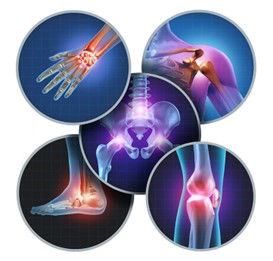
Knees clicking on the stairs, stiff hips after a morning at the desk, and that first wince when you stand up from the couch — sound familiar? Joint pain has a way of quietly shrinking your life: you skip the hike, decline the social tennis, stop getting on the floor with the grandkids. In South Africa, joint-related conditions affect millions of people across all age groups — from weekend warriors tackling the Otter Trail to grandparents wanting to keep up with the little ones.
Not sure which one?
Get a quick product pick
Your match
Need a hand?
Find the right supplement faster
Browse the relevant range or ask our team for a quick recommendation.
Here's the honest news: while there's no magic cure for worn cartilage, there's a well-researched natural toolkit that genuinely reduces pain and protects what you've got — including one remarkable herb that grows right here in the Kalahari. Here's what we'd take, what we'd eat, and how we'd move.
What we'd suggest
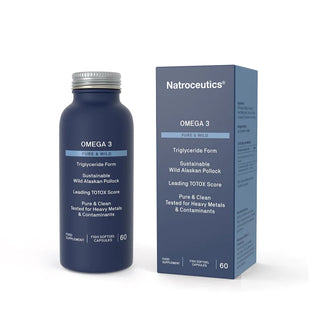
- Start with turmeric (with black pepper) plus omega-3s — the two best-evidenced anti-inflammatories on the shelf. Give them 8 weeks.
- Add devil's claw for pain — our own proudly Southern African botanical with clinical trials behind it.
- For long-term cartilage support: glucosamine, chondroitin and collagen — slow workers, so commit to 8–12 weeks minimum.
- Move, don't rest: swimming, walking and cycling feed your cartilage; the couch starves it.
- When it's not a supplement problem: sudden severe pain, a hot swollen joint, or pain after an injury needs a doctor first, not a capsule.
Understanding Joint Health: What's Really Happening Inside Your Joints
Joints are the connection points between bones, cushioned by cartilage — a smooth, rubbery tissue that prevents bones from grinding against each other. Surrounding the joint is a membrane called the synovium, which produces synovial fluid to lubricate and nourish the cartilage.
Over time, cartilage can break down due to age, injury, repetitive motion, excess body weight, or inflammatory conditions. When this happens, bones may begin to rub together, causing pain, swelling, and stiffness. Inflammation plays a central role in this process, which is precisely why anti-inflammatory herbs and nutrients are so powerful in supporting joint health.
Common joint conditions include osteoarthritis (the most prevalent form, caused by wear and tear), rheumatoid arthritis (an autoimmune condition), gout, and general joint inflammation from sports injuries or overuse. Regardless of the cause, the strategies below can help reduce discomfort and support long-term joint integrity.
Herbs to Support Joint Health
Nature has provided a remarkable store of anti-inflammatory, pain-relieving and cartilage-supporting botanicals — without the side effects associated with long-term use of synthetic drugs. Here are the most well-researched options, all available in our joints and mobility collection.
1. Turmeric
The active ingredient in turmeric is curcumin, known for its powerful anti-inflammatory properties. Curcumin reduces inflammation in the joints by inhibiting key inflammatory molecules such as NF-kB and COX-2 enzymes, leading to reduced swelling and pain. Turmeric is also a proven antioxidant, neutralising the free radicals that damage cartilage tissue.
Curcumin's anti-inflammatory action has been studied for supporting knee comfort, generally without the gastrointestinal side effects associated with long-term NSAID use. One important consideration is bioavailability: curcumin is poorly absorbed on its own. Look for supplements that include piperine (black pepper extract) or phospholipid formulations, which enhance absorption by up to 2,000%.
Turmeric comes as capsules, powders and teas. For culinary use, add it to curries, smoothies, scrambled eggs, or golden milk (recipe below).
2. Ginger
Ginger has been used for centuries across African, Asian, and Middle Eastern traditional medicine to relieve joint pain and inflammation. Its pain-relieving compounds — gingerol and shogaols — block the production of prostaglandins and leukotrienes, the chemicals that trigger inflammation.
Research suggests ginger supplementation can help reduce markers of inflammation, including C-reactive protein (CRP). Ginger also improves circulation, helping deliver nutrients to joint tissues and clear inflammatory waste. Take it as capsules or tea, or work fresh ginger into your daily cooking, juicing and smoothies.
3. Boswellia
Boswellia, also known as Indian frankincense, contains boswellic acids that block 5-lipoxygenase (5-LOX), an inflammatory enzyme — reducing joint inflammation and pain. Unlike conventional NSAIDs, boswellia does not appear to damage the stomach lining.
Clinical research has shown improvements in pain, stiffness and physical function within as little as 30 days of consistent use. Look for products standardised to at least 30% boswellic acids — you'll find quality options in our herbal supplements range.
4. Devil's Claw — Southern Africa's own
Devil's claw (Harpagophytum procumbens) is native to southern Africa, particularly the Kalahari, where it has been used for centuries by San and Khoi communities for arthritis, back pain and inflammation. Its active compound, harpagoside, has anti-inflammatory and pain-relieving properties comparable to some pharmaceutical options.
Clinical trials back it up: clinical research on devil's claw extract has shown meaningful support for hip and knee joint comfort. A proudly local botanical, and one of our continent's great contributions to natural medicine.
5. Stinging Nettle
Stinging nettle (Urtica dioica) is rich in anti-inflammatory compounds and inhibits inflammatory cytokines including TNF-alpha and IL-1 beta. It's also a fine source of silica, calcium and magnesium — minerals essential for strong bones and healthy connective tissue. Nettle tea is a gentle, pleasant daily habit.
6. Willow Bark
Often called "nature's aspirin," willow bark contains salicin, which the body converts to salicylic acid — the same active compound as aspirin. It's been used for thousands of years for pain and inflammation, and research suggests it's particularly useful for lower back pain and osteoarthritis, with fewer gastrointestinal side effects than synthetic aspirin.
Essential Nutrients for Joint Support
Omega-3 fatty acids
Found in fish oil, flaxseed and chia seeds, omega-3s reduce the production of inflammatory eicosanoids and cytokines. Studies show they reduce morning stiffness and tender joints in people with rheumatoid arthritis. Aim for 1,000–2,000 mg of combined EPA and DHA daily.
Collagen
The primary structural protein in cartilage. Production declines with age, so supplementing with hydrolysed collagen peptides — particularly Type II — has been shown to reduce joint pain and support cartilage regeneration.
Vitamin D
Despite South Africa's sunshine, deficiency is common — especially among office workers and Western Cape residents in winter. Vitamin D is essential for calcium absorption and bone health, and low levels are linked to higher arthritis risk. Test, then supplement if needed — see our vitamins and minerals range.
Glucosamine and chondroitin
Naturally present in healthy cartilage: glucosamine stimulates cartilage production, chondroitin helps it retain water and elasticity. The cornerstone of most joint protocols — but a long game. Give it at least 8–12 weeks.
MSM (Methylsulfonylmethane)
A natural sulphur compound that supports connective tissue formation, with studies showing reduced pain, stiffness and swelling — especially combined with glucosamine.
Joint-Supporting Juice and Drink Recipes
What you consume daily directly affects your inflammation levels. These recipes flood your system with anti-inflammatory compounds — and a scoop from our superfood powders boosts them further.
Golden Turmeric Milk (serves 1)
- 250 ml warm plant-based milk (almond, oat, or coconut)
- 1 teaspoon turmeric powder
- ½ teaspoon cinnamon
- ¼ teaspoon ground ginger
- A pinch of black pepper (essential for curcumin absorption)
- 1 teaspoon raw honey or maple syrup
- ½ teaspoon coconut oil
Warm the milk gently, whisk in the spices, oil and sweetener, and simmer for 3–5 minutes without boiling. Enjoy before bed — the warming spices also promote restful sleep.
Anti-Inflammatory Green Juice (serves 1)
- 2 stalks celery
- 1 medium cucumber
- 1 green apple
- A thumb-sized piece of fresh ginger
- A thumb-sized piece of fresh turmeric (or ½ teaspoon powder)
- Juice of 1 lemon
- A handful of fresh pineapple chunks (pineapple contains bromelain, a natural anti-inflammatory enzyme)
Pass everything through a juicer, stir, and drink immediately. The bromelain works synergistically with ginger and turmeric against joint inflammation.
Berry Collagen Smoothie (serves 1)
- 1 cup mixed berries (rich in inflammation-fighting anthocyanins)
- 1 scoop collagen peptide powder
- 1 tablespoon ground flaxseed (omega-3 source)
- 250 ml almond milk
- ½ banana for creaminess
- 1 teaspoon raw honey
Blend until smooth — collagen for cartilage, omega-3s for inflammation, antioxidants for overall protection.
Lifestyle Tips for Healthy Joints
Stay active — but choose joint-friendly exercise
Movement strengthens the muscles that support your joints, improves circulation to cartilage, and keeps weight in check. The best options:
- Swimming and water aerobics: Buoyancy supports your weight while providing excellent resistance.
- Walking: Low-impact, keeps joints mobile — 30 minutes most days.
- Yoga and Pilates: Flexibility, balance and range of motion plus stronger supporting muscles.
- Cycling: Excellent for knees and hips — movement without impact.
- Strength training: Muscle around a joint is its best bodyguard. Active athletes can lean on our sports nutrition range for recovery.
Maintain a healthy weight
Every kilogram of excess body weight places roughly four kilograms of extra pressure on your knees. Lose 5 kg and you've taken 20 kg of stress off every single step.
Eat anti-inflammatory, every day
- Fatty fish: Salmon, sardines, mackerel and pilchards — all readily available in SA.
- Colourful veg and fruit: The deeper the colour, the higher the antioxidants — beetroot, sweet potato, spinach, berries, citrus.
- Nuts and seeds: Walnuts, almonds, flax and chia for anti-inflammatory fats and minerals.
- Olive oil: Contains oleocanthal, with ibuprofen-like anti-inflammatory properties.
- Bone broth: Collagen, glucosamine and chondroitin — the building blocks of healthy cartilage — in a mug.
The Honest Bottom Line
Joint health is a long game: turmeric and omega-3s for the inflammation, devil's claw for the pain, collagen and glucosamine for the structure, and daily movement to tie it all together. Commit for 8–12 weeks before you judge — cartilage doesn't read calendars. And if a joint is suddenly hot, swollen or severely painful, see your doctor first; that's beyond what any supplement should be asked to fix.
Want a joint-support plan that fits your body and your budget? Visit One Life Health in Centurion, Glen Village or Edenvale, or WhatsApp us on 076 913 5059 — tell us where it hurts and what you've tried, and we'll give you an honest, simple plan.
By One Life Health Consultant
From the apothecary shelf
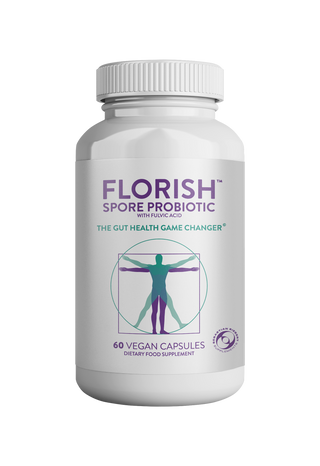
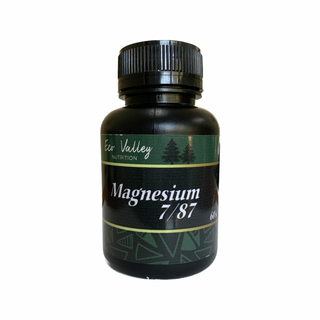
A few products we'd hand a customer asking for a starting point. Not a paid placement — these are what we actually take, recommend, or keep at the front of the shelf.