

The Apothecary
Understanding Health Supplements
From capsules and tablets to tinctures and homeopathic remedies, the world of health supplements can feel overwhelming.
Standing in the supplement aisle, phone in hand, googling "tincture vs tablet" while the shelf in front of you offers forty kinds of magnesium? We see that face every day in our stores — and honestly, the industry doesn't make it easy on purpose.
Not sure which one?
Get a quick product pick
Your match
Need a hand?
Find the right supplement faster
Browse the relevant range or ask our team for a quick recommendation.
So here's the plain-language version: what the different supplement forms actually are, what each category does, and how to choose without wasting your rands. No jargon, no fear-marketing — just what we'd tell you across the counter.
What we'd suggest
- Buy for the need, not the format. Decide what problem you're solving first (energy? gut? joints?), then pick the form you'll actually take every day.
- If you battle to swallow pills, go for tinctures, powders or dissolvable options — a supplement in the drawer helps nobody.
- Start with one or two products, not six. Give them 4–8 weeks before judging.
- Food first, always. Supplements fill gaps; they don't replace meals. And if you're on chronic medication, check for interactions with your healthcare professional before adding anything new.
Pills, Tablets and Tinctures — What's the Difference?
- Pills (capsules): Powdered ingredients in a smooth, easy-to-swallow shell. Convenient and tasteless — the default for most supplements.
- Tablets: Powdered ingredients compressed under high pressure with binding agents. They come in chewable and effervescent variations too — handy for kids and pill-haters.
- Tinctures: Concentrated liquid extracts of herbs and plants, made by soaking the ingredient in alcohol or another solvent. Taken directly or diluted in water — fast-absorbing and easy to dose up or down.

1. Vitamins and Minerals — the foundation
These fill the most common gaps in the modern diet. The big three we check for first:
- Vitamin D: Bone health, immune function and mood — surprisingly low in many South Africans despite our sunshine, especially office workers.
- Calcium: Strong bones and teeth, plus muscle and nerve function.
- Iron: Healthy red blood cells and oxygen transport — the classic culprit behind constant tiredness, especially in women.
An honest note: a balanced diet comes first. Supplements shine when you have a real gap — a restricted diet, a health condition, pregnancy, or ageing. If you suspect a deficiency, test rather than guess. And choose reputable, GMP-certified brands; cheap fillers are cheap for a reason.

2. Herbal Supplements — the traditional toolkit
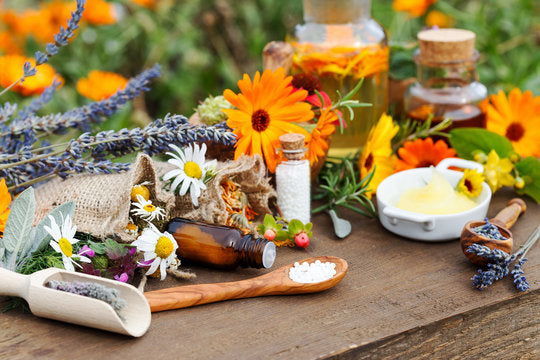
Plant-based remedies with centuries of use behind them — from Ayurveda and Traditional Chinese Medicine to our own Southern African healing traditions. The ones we reach for most:
- Turmeric: Anti-inflammatory and antioxidant — great for joints and general inflammation. Pair it with black pepper for absorption.
- Ginseng: Energy, stress resilience and cognitive support.
- Garlic, ginger and echinacea: Heart, digestion and immune support respectively.
Herbs work, but slowly — most need 2–6 weeks of consistent use. They can also interact with medication, so flag anything you're taking when you chat to us or your doctor.

3. Homeopathic Medicine — the gentle approach
Developed in the late 1700s by Samuel Hahnemann, homeopathy works on the principle of "like cures like": a substance that causes symptoms in a healthy person is used in highly diluted, potentised form to address similar symptoms. Remedies come as sugar pellets under the tongue, drops, gels, creams and more, and treatment is highly individualised to your symptoms and constitution.
It's known for being gentle — and where children are concerned, always check with your doctor first. We stock the trusted A.Vogel range:

4. Probiotics — the gut squad
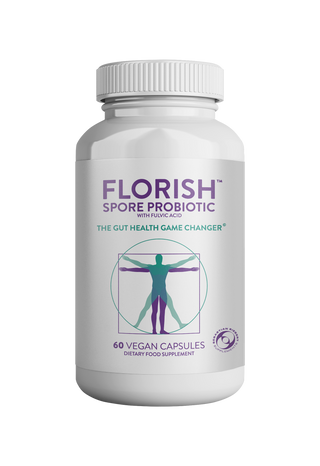
Live beneficial bacteria that restore balance to your gut microbiome — which influences digestion, immunity and even mood. The strains worth knowing:
- Lactobacillus: The workhorse — digestion, immunity and inflammation. Found in yoghurt, sauerkraut and most good supplements.
- Bifidobacterium: Gut health and digestion; may ease IBS symptoms.
- Saccharomyces boulardii: A beneficial yeast — the go-to for diarrhoea, including the antibiotic-associated and traveller's kinds.
- Streptococcus thermophilus: Helps digest lactose — useful if dairy and you have a complicated relationship.
Look for a multi-strain formula and take it daily on an empty stomach for 4–6 weeks before judging.

5. Omega-3 Fatty Acids — the essential fats
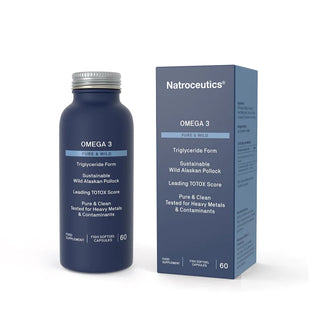
Your body can't make these, so they must come from food or supplements. They support heart health, brain function and lower inflammation. Best sources:
- Fatty fish: Salmon, mackerel, sardines and good old pilchards — rich in EPA and DHA, the forms your body uses directly.
- Flaxseeds, chia seeds, walnuts and hemp seeds: Plant-based ALA, which the body partially converts to EPA/DHA — the vegan-friendly route.
- Olive oil and avocados: Not omega-3s as such, but excellent healthy fats that belong on the same shopping list.
If fish appears on your plate less than twice a week, a quality omega supplement is one of the most evidence-backed buys in the whole shop.

6. Protein Powders — not just for gym bros
Protein supports muscle growth, repair and satiety — useful whether you're training hard, recovering, or just struggling to hit your protein needs. The main options:
- Whey: Complete protein, fast-absorbing — the post-workout classic. Comes as concentrate, isolate or hydrolysate.
- Casein: Slow-release — ideal before bed or for sustained protein through the day.
- Soy and pea: Complete plant proteins for vegans and the dairy-sensitive; pea is rich in BCAAs and gentle on digestion.
- Rice and hemp: Hypoallergenic plant options — combine rice protein with others for a complete amino acid profile; hemp adds omega-3s and fibre.

The Honest Bottom Line
Understanding the forms and categories puts you back in charge — but you don't have to figure it out alone, and you definitely don't need one of everything. Supplements work best alongside a decent diet, regular movement and proper medical care, chosen for your needs and your budget.
Overwhelmed by the options? That's literally why we're here. Pop into One Life Health in Centurion, Glen Village or Edenvale, or WhatsApp us on 076 913 5059 — tell us what you're trying to fix and what you can spend, and we'll give you a straight answer. Including "you don't need that" when you don't.
By One Life Health Consultant
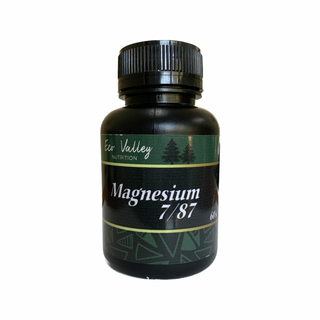
From the apothecary shelf
A few products we'd hand a customer asking for a starting point. Not a paid placement — these are what we actually take, recommend, or keep at the front of the shelf.