The Apothecary

Staying Healthy in a Microbe-Filled World

Practical supplement guidance from One Life Health.

Person washing hands with soap and water surrounded by illustrated microbes and healthy immune system icons

Staying Healthy in a Microbe-Filled World

Staying Healthy in a Microbe-Filled World

November shines a light on Antimicrobial Awareness Month, a reminder that tiny microbes are everywhere — in the air, on surfaces, and even on our skin. Most are harmless, some are helpful, but a few can make us sick. Understanding which is which, and supporting our body's defences, is the first step to living confidently and well.

In South Africa, where seasonal changes, crowded public transport, and busy workplaces create the perfect environment for microbes to spread, being proactive about your health isn't just sensible — it's essential. This comprehensive guide will help you understand the microbial world around you, build smarter daily habits, and choose natural supplements that genuinely support your body's ability to fight back.

Why Antimicrobial Awareness Matters

Germs are part of life. While many help with digestion, immunity, or even skin health, certain bacteria and viruses can disrupt our bodies. That's why thoughtful hygiene, smart supplement choices, and gentle antimicrobial practices are key.

Overusing antibiotics or harsh chemicals can backfire, making microbes stronger and harder to fight. Awareness isn't about fear — it's about making choices that strengthen your defences while respecting your body's natural balance.

The Growing Threat of Antimicrobial Resistance

Antimicrobial resistance (AMR) is one of the most pressing public health challenges of our time. The World Health Organisation has identified it as one of the top ten global threats to humanity. When bacteria, viruses, fungi, and parasites evolve to resist the medications designed to kill them, common infections become harder — and sometimes impossible — to treat.

In South Africa, AMR is a particularly urgent concern. Our healthcare system already faces significant pressures, and resistant infections place an additional burden on hospitals and clinics. According to the South African National Department of Health, inappropriate use of antibiotics — whether prescribed unnecessarily or not taken as directed — is a major driver of resistance.

This is precisely why a preventative, natural approach to health matters so much. By strengthening your immune system, practising good hygiene, and turning to evidence-based natural remedies where appropriate, you reduce your reliance on antibiotics and contribute to a healthier community overall.

Understanding Your Body's Microbial Ecosystem

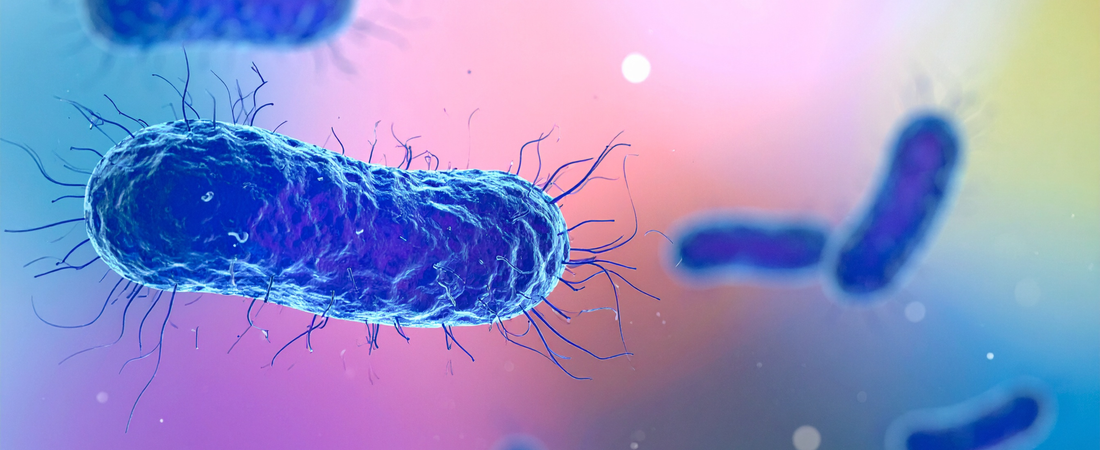
Your body is home to trillions of microorganisms, collectively known as the microbiome. Far from being unwanted guests, these microscopic inhabitants play crucial roles in virtually every aspect of your health:

  • Gut bacteria help break down food, produce essential vitamins like B12 and K2, and regulate your immune response. In fact, roughly 70% of your immune system resides in your gut.
  • Skin microbes form a protective barrier against harmful pathogens, help regulate inflammation, and even influence how wounds heal.
  • Respiratory tract bacteria help filter out harmful organisms before they can reach your lungs.

The key to staying healthy isn't eliminating all microbes — it's maintaining the right balance. When beneficial bacteria thrive, they crowd out harmful organisms and keep your immune system calibrated and responsive. This is why supporting your gut health with probiotics and prebiotic-rich foods is one of the most powerful things you can do for your overall wellbeing.

Daily Habits That Make a Difference

Hand hygiene, surface awareness, and supporting your immune system are small habits that add up:

  • Clean hands, clear mind. Scrubbing for at least 20 seconds is effective, but adding natural antimicrobials like tea tree oil to your hand wash can gently enhance protection. A little drop on a cotton ball can even help sanitise surfaces like door handles or your phone screen.

  • Nourish from within. Supplements like colloidal silver have long been used to support immunity, while Moringa capsules bring antioxidants that help your body respond to daily challenges.

  • Boost resilience naturally. Incorporating antimicrobial essentials like Garcinia Cambogia for metabolism and sesame tahini for nutrient-rich fats gives your body the tools to stay strong, even when germs are around.

Hygiene Beyond Hand Washing

While hand washing remains the single most effective way to prevent the spread of infection, comprehensive hygiene goes further. Consider these often-overlooked practices:

  • Phone hygiene: Your smartphone harbours up to ten times more bacteria than a toilet seat. Wipe it down daily with a natural antimicrobial solution — a few drops of tea tree oil diluted in water works brilliantly.
  • Kitchen awareness: Chopping boards, dishcloths, and sponges are breeding grounds for bacteria. Replace sponges regularly, use separate boards for raw meat and vegetables, and consider adding a few drops of antimicrobial essential oils to your cleaning routine.
  • Oral hygiene: Your mouth is a gateway for microbes. Oil pulling with coconut oil, an ancient Ayurvedic practice, has been shown to reduce harmful bacteria in the mouth. Pair this with regular brushing and flossing for optimal oral health.
  • Laundry habits: Gym clothes, towels, and bedding should be washed frequently, especially during warmer months when bacteria multiply more rapidly. Adding a natural disinfectant like white vinegar to your wash cycle can help eliminate lingering microbes without harsh chemicals.

Building a Resilient Immune System Naturally

Your immune system is your body's most sophisticated defence mechanism — a complex network of cells, tissues, and organs working in concert to identify and neutralise threats. Supporting it naturally is the most sustainable way to stay healthy in a microbe-filled world.

Nutrition: Your First Line of Defence

What you eat directly influences how well your immune system functions. A diet rich in whole foods, vibrant fruits and vegetables, lean proteins, and healthy fats provides the raw materials your immune cells need to function optimally. Key immune-supporting nutrients include:

  • Vitamin C: Found abundantly in citrus fruits, peppers, and baobab powder, vitamin C is essential for the production and function of white blood cells. It's also a powerful antioxidant that protects immune cells from damage.
  • Vitamin D: Often called the "sunshine vitamin," vitamin D plays a critical role in activating immune defences. Many South Africans are surprisingly deficient despite our sunny climate, particularly those who work indoors. Consider a quality vitamin and mineral supplement to ensure adequate levels.
  • Zinc: This essential mineral is involved in the development and function of immune cells. Pumpkin seeds, chickpeas, and cashews are excellent natural sources.
  • Iron: Crucial for immune cell proliferation and maturation, iron deficiency is common in South Africa, particularly among women. Moringa is an excellent plant-based source of iron alongside its impressive array of other nutrients.

Superfoods with Antimicrobial Properties

Nature provides an extraordinary pharmacy of foods with natural antimicrobial properties. Incorporating these into your daily diet is a delicious way to support your defences:

  • Raw honey: Particularly Manuka honey, which contains methylglyoxal (MGO), a compound with potent antibacterial properties. A spoonful in warm water with lemon makes a soothing, immune-supporting drink.
  • Garlic: Contains allicin, a sulphur compound with broad-spectrum antimicrobial activity. Crushing garlic and letting it sit for ten minutes before cooking maximises allicin production.
  • Turmeric: Curcumin, the active compound in turmeric, has both antimicrobial and anti-inflammatory properties. Pair it with black pepper and a healthy fat to enhance absorption.
  • Ginger: Traditional medicine systems worldwide have used ginger for centuries to fight infections. Modern research confirms its antimicrobial and anti-inflammatory effects.
  • Moringa: Often called the "miracle tree," moringa leaves contain compounds that have demonstrated antimicrobial activity against a range of pathogens. Explore our superfoods collection for high-quality moringa and other nutrient-dense options.

The Gut-Immunity Connection

Perhaps the most important insight from modern immunology is the profound connection between gut health and immune function. Your gut lining is the largest interface between your body and the outside world, and it's populated by trillions of bacteria that directly communicate with your immune system.

When your gut microbiome is balanced and diverse, it acts as a training ground for your immune cells, teaching them to distinguish between harmless substances and genuine threats. When it's disrupted — by poor diet, stress, antibiotics, or illness — your immune function suffers.

Supporting your gut microbiome is therefore one of the most impactful things you can do for your immunity. Consider incorporating a high-quality probiotic supplement into your daily routine, particularly after a course of antibiotics or during periods of stress. Fermented foods like sauerkraut, kimchi, kefir, and kombucha are also excellent natural sources of beneficial bacteria.

Natural Antimicrobial Remedies Worth Knowing

Long before modern pharmaceuticals, traditional healers across Africa and the world relied on nature's antimicrobial agents. Many of these remedies are now backed by scientific research:

  • Tea tree oil: One of the most well-researched natural antimicrobials, tea tree oil has demonstrated activity against bacteria, viruses, and fungi. Use it diluted for skin application, in diffusers for air purification, or added to cleaning solutions.
  • Colloidal silver: Used for centuries as a natural antimicrobial, colloidal silver consists of tiny silver particles suspended in liquid. While research is ongoing, many people find it a valuable addition to their wellness toolkit, particularly during cold and flu season.
  • Oregano oil: Contains carvacrol and thymol, two compounds with powerful antimicrobial properties. Oregano oil supplements can support immune function, particularly during seasonal changes.
  • Echinacea: This well-known herb has been shown to reduce the duration and severity of colds by supporting immune cell activity. Browse our herbal supplements range for echinacea and other immune-supporting botanicals.
  • Olive leaf extract: Contains oleuropein, a compound with broad-spectrum antimicrobial activity that also supports cardiovascular health.

Lifestyle Factors That Strengthen Your Defences

Supplements and diet are important, but they work best within the context of a health-supporting lifestyle. These factors are just as critical for maintaining strong immunity:

Quality Sleep

During sleep, your body produces and releases cytokines — proteins that help regulate immune responses. Chronic sleep deprivation has been shown to reduce the production of protective antibodies and increase susceptibility to infection. Aim for seven to nine hours of quality sleep per night. If you struggle to wind down, explore natural sleep and relaxation aids that can help you establish a restful routine.

Regular Exercise

Moderate, consistent exercise is one of the most effective ways to boost immune function. It improves circulation, helps immune cells move through the body more efficiently, and reduces inflammation. Aim for at least 150 minutes of moderate activity per week — brisk walking, swimming, cycling, or yoga all count. Be mindful, however, that overtraining can temporarily suppress immune function, so balance intensity with adequate recovery.

Stress Management

Chronic stress floods your body with cortisol, a hormone that suppresses immune function when elevated over long periods. South African life can be demanding — from load shedding frustrations to work pressures and long commutes. Finding effective stress management techniques is not a luxury; it's a health necessity. Meditation, deep breathing exercises, time in nature, and adaptogenic herbs like ashwagandha and rhodiola can all help keep cortisol levels in check.

Adequate Hydration

Water is essential for every bodily function, including immune responses. It helps transport nutrients to immune cells, flushes toxins from the body, and keeps mucous membranes moist — your first physical barrier against airborne pathogens. Aim for at least two litres daily, more if you're active or live in a hot climate.

A Seasonal Approach to Microbial Wellness

Different times of year present different microbial challenges in South Africa:

  • Winter (June–August): Cold and flu season peaks. Focus on vitamin C, zinc, and immune-boosting herbs. Keep indoor spaces well-ventilated and wash hands frequently.
  • Spring (September–November): Allergy season can weaken respiratory defences. Support your body with quercetin-rich foods and anti-inflammatory supplements.
  • Summer (December–February): Foodborne illness risk increases with higher temperatures. Practice meticulous food hygiene, keep perishables refrigerated, and support gut health with probiotics.
  • Autumn (March–May): As temperatures drop, begin building your immune reserves for winter. This is an ideal time to assess your supplement routine and stock up on immune-supporting products.

Practical Tips to Start Today

Feeling overwhelmed? Start small. Here are ten actionable steps you can implement immediately:

  1. Wash your hands thoroughly for at least 20 seconds, especially before eating and after using public transport.
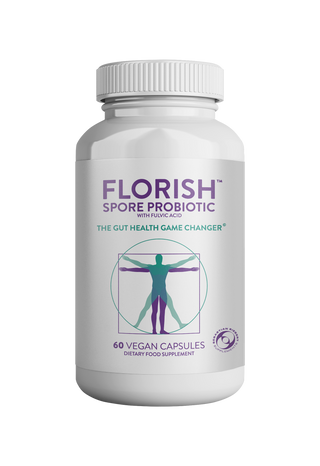
  2. Add a daily probiotic to support your gut microbiome and immune function.
Shop Immune Support R400 free delivery
Back to blog