The Apothecary
Omega-3 and Inflammation Support in South Africa: What to Buy and Why
By Precious, One Life health consultant · Updated for South African shoppers
Omega-3 and Inflammation Support in South Africa: What to Buy and Why
By Precious, One Life health consultant · Updated for South African shoppers
Quick pick
Compare the top picks in this guide
Skim the products mentioned here, choose the best fit, and add it to cart without hunting through the article.
| Product | Price | Best for | Buy |
|---|
Not sure which one?
Get a quick product pick
Your match
Need a hand?
Find the right supplement faster
Browse the relevant range or ask our team for a quick recommendation.
The short answer
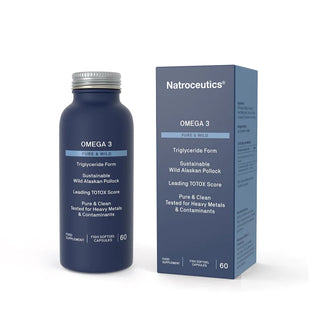
If you want a daily omega-3 because your diet is light on oily fish, the most balanced shelf pick at One Life right now is the NATROCEUTICS SA Omega 3 Pure & Wild 60 Capsules at R377.00 — a wild-sourced marine oil with EPA and DHA per softgel (check the label for exact milligrams). If you eat no animal products, the A.Vogel Veg Omega 3 30 Capsules at R317.84 covers plant-based shoppers. If you only want a culinary plant oil to top up alpha-linolenic acid (ALA), the Credé Flax Seed Oil 250ml at R77.69 is the cheapest entry point. Omega-3s are not a treatment for any condition — please speak to a doctor about inflammation, heart concerns, pregnancy or medication interactions before changing anything.
Table of contents
- Why omega-3 keeps coming up in inflammation conversations
- EPA, DHA and ALA explained without the jargon
- Which omega-3 fits you?
- Product comparison: what we actually stock
- A closer look at each option
- Shopper checklist before you add to cart
- Store-floor notes from Precious
- Safety, medication and life-stage notes
- FAQ
- Related reading from One Life
- References
Why omega-3 keeps coming up in inflammation conversations
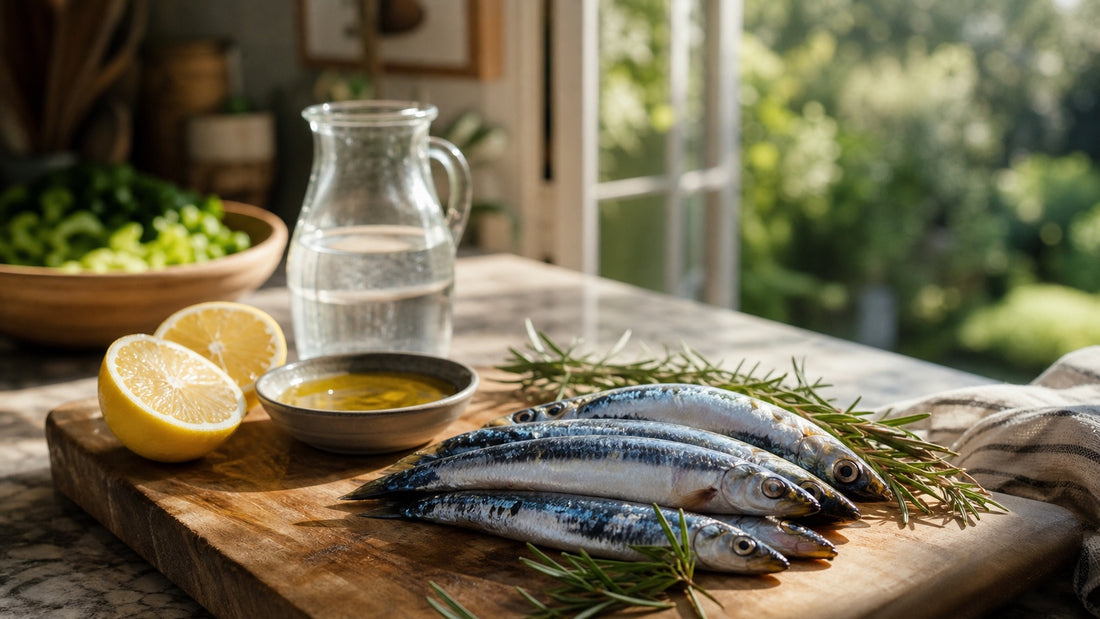
Omega-3 fatty acids — primarily EPA (eicosapentaenoic acid), DHA (docosahexaenoic acid) and ALA (alpha-linolenic acid) — are essential fats. "Essential" means your body cannot make them; you have to eat them. South African diets often skew heavily towards omega-6 from sunflower and other seed oils, and lighter on the oily fish (pilchards, sardines, mackerel, salmon) that supply EPA and DHA directly. That imbalance is one reason shoppers ask about supplementing.
Research summarised by the U.S. National Institutes of Health Office of Dietary Supplements notes that EPA and DHA serve as precursors to signalling molecules involved in the body's normal inflammatory response. The wording matters: "involved in" is not the same as "treats inflammation". Cochrane's 2020 review of long-chain omega-3 for cardiovascular outcomes found small effects on triglycerides and only modest impacts on cardiovascular events — useful in context, not a miracle. So when someone asks me whether fish oil will "fix" their joint pain, my honest answer is: it might support a balanced diet alongside other lifestyle changes and the guidance of a doctor, but I would not buy it expecting a cure.
EPA, DHA and ALA explained without the jargon
Three letters do most of the work on these labels.
- EPA — the omega-3 most associated with the body's inflammation signalling pathways.
- DHA — the omega-3 concentrated in brain, eye and nervous-system tissue.
- ALA — the plant form found in flaxseed, chia and walnuts. Your body converts a small percentage of ALA into EPA and a much smaller percentage into DHA. Published conversion estimates are typically under 10% for EPA and under 1% for DHA, which is why fish, krill and algal oils are considered more direct sources.
A crucial label-reading rule: a softgel labelled "1000 mg fish oil" is not the same as 1000 mg of EPA+DHA. The fish oil weight includes other fatty acids and the oil base. Always look on the back of the box for a line that reads something like "EPA: ___ mg" and "DHA: ___ mg" per serving. That is the number that actually matters.
Which omega-3 fits you?
A two-minute decision tree:
- Do you eat fish at least twice a week? If yes, a daily supplement may be unnecessary; check with your doctor or a registered dietitian first.
- Are you vegetarian or vegan? Skip fish and krill oils. Look at algal-source or plant capsules such as the A.Vogel Veg Omega 3.
- Pregnant, trying to conceive, breastfeeding or buying for a child? Do not self-prescribe. Talk to a doctor or qualified healthcare professional first — they will guide form and dose.
- On blood thinners (warfarin, apixaban, rivaroxaban, clopidogrel), about to have surgery, or living with a diagnosed bleeding or inflammatory disorder? Speak to your doctor before starting any fish, krill or high-dose omega-3.
- Do you dislike capsules or want to add oil to food? Liquid fish oil (lemon-flavoured) or culinary flax seed oil are options. Flax does not replace EPA/DHA but adds plant ALA to your kitchen.
- Budget-led shopper? The Real Thing 200ml liquids stretch further per millilitre than capsule packs. Credé Flax is the cheapest line in the wider category, although it does a different job.
Product comparison: what we actually stock
| Product | Source | Form | Pack | Price | Best for |
|---|---|---|---|---|---|
| NATROCEUTICS Omega 3 Pure & Wild | Wild marine fish oil | Softgel | 60 | R377.00 | A balanced everyday EPA+DHA pick from a wild source |
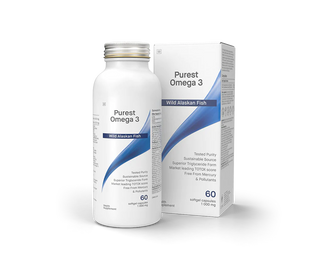
| BIOMAX Purest Omega 3 | Marine fish oil | Softgel | 60 | R369.00 | A no-frills daily fish oil — check label for EPA/DHA per serving |
| NATROCEUTICS Omega 3 Fortified | Marine fish oil (concentrated) | Softgel | 60 | R496.00 | Shoppers wanting a more concentrated softgel — check label for EPA/DHA per serving |
| The Real Thing Mega Omega Plain 200ml | Marine fish oil | Liquid | 200 ml | R319.12 | Capsule-averse shoppers; flexible spoon dosing |
| The Real Thing Mega Omega Lemon 200ml | Marine fish oil | Liquid (lemon) | 200 ml | R319.13 | As above, with a citrus mask for the fishy aftertaste |
| The Real Thing DHA 120 Capsules | Marine oil (DHA-forward) | Softgel | 120 | R353.62 | Shoppers specifically wanting more DHA — check label |
| A.Vogel Veg Omega 3 30 Capsules | Plant/algal source | Vegan capsule | 30 | R317.84 | Vegetarians, vegans, fish-free households |
| PHYTOCEUTICS Phytopure Krill Oil | Krill (phospholipid form, with astaxanthin) | Softgel | 60 | R479.00 | Shoppers who prefer phospholipid-bound omega-3 |
| Credé Flax Seed Oil 250ml | Cold-pressed flaxseed | Culinary liquid | 250 ml | R77.69 | Adding ALA to dressings and smoothies; not an EPA/DHA replacement |
Prices and stock change. Check each product page before checkout — items with low stock can sell out within a day.
A closer look at each option
NATROCEUTICS SA Omega 3 Pure & Wild (R377.00) — The wording "pure and wild" signals wild-caught sourcing rather than farmed. Wild-source language is meaningful for shoppers who want a marine oil from open waters. Check the box for the EPA/DHA per softgel and the omega-3 concentration before deciding it is "stronger" than a cheaper softgel.
BIOMAX Purest Omega 3 (R369.00) — A straightforward daily fish oil softgel that lands close to the Natroceutics Pure & Wild on price. Compare the EPA and DHA milligrams per softgel side by side on the box; that single line is what actually decides which is "more" omega-3.
NATROCEUTICS SA Omega 3 Fortified (R496.00) — Priced higher because "fortified" usually signals a more concentrated softgel. If you would otherwise take two softgels of a standard oil, a single fortified softgel can be the more elegant option. Confirm the EPA/DHA per serving on the label.
The Real Thing Mega Omega Fish Oil — Plain and Lemon 200ml (R319.12 / R319.13) — Liquid oil suits anyone who struggles with softgels or wants to adjust the dose by the teaspoon. The lemon version is the gentler introduction; the plain version mixes more cleanly into a smoothie. Refrigerate after opening and finish within the manufacturer's stated window.
The Real Thing DHA 120 Capsules (R353.62) — Singled out for shoppers wanting a DHA-forward formula. DHA is the omega-3 most associated with brain, eye and nervous-system tissue. This is not a children's vitamin; we do not recommend self-prescribing DHA for a child without their doctor's input.
A.Vogel Veg Omega 3 30 Capsules (R317.84) — The usual recommendation for plant-based households. Vegan omega-3 capsules typically use algal oil — the same source that fish ultimately get their omega-3 from. Check the label for EPA/DHA per capsule before comparing it to fish oil on a price-per-milligram basis.
Phytoceutics Phytopure Krill Oil 60 Softgels (R479.00) — Krill oil delivers EPA and DHA in a phospholipid form alongside the antioxidant astaxanthin (which gives it the red colour). Some shoppers report better tolerance — fewer fish burps — although published evidence on bioavailability differences between krill and fish oil is mixed. Avoid krill if you have a shellfish allergy.
Credé Flax Seed Oil 250ml (R77.69) — A culinary oil rather than a clinical omega-3. Use it cold in dressings, on roasted vegetables or in smoothies; do not heat it. Flax provides ALA, not EPA/DHA, so if your goal is the marine-style omega-3 your doctor mentioned, flax is a complement rather than a substitute.
Shopper checklist before you add to cart
- The back of the box lists EPA and DHA in milligrams per serving, not just "fish oil 1000 mg".
- The serving size matches what you will actually take each day.
- The bottle or blister is sealed and well within its best-before date.
- Storage instructions match where you will keep it — many liquids require refrigeration after opening.
- If you have a shellfish allergy, you are not picking krill.
- If you are vegan or vegetarian, the softgel itself is plant-based.
- You have noted any interactions with prescribed medication and discussed them with your doctor.
- You know your daily target from a doctor or registered dietitian, not from a stranger on social media.
Store-floor notes from Precious
Three patterns I see almost every week at One Life:
- Shoppers judge fish oil by the size of the softgel. A big softgel can contain a low-concentration oil; a smaller, fortified softgel can deliver more EPA and DHA per dose. Read the milligrams, not the millimetres.
- Liquid is underrated. People who hate swallowing capsules often quietly stop taking their omega-3 within a fortnight. A 200 ml bottle on a teaspoon is far more likely to last the month.
- Plant-based shoppers default to flax. Flax oil is wonderful in the kitchen, but it does not replace algal or fish-derived EPA/DHA. If algal capsules are out of stock, that is a reason to wait, not to swap categories.
I also encourage shoppers to think about omega-3 alongside diet rather than instead of it. Two portions of oily fish a week (pilchards work just as well as salmon for South African budgets), more olive oil, less deep-fried takeaway — those baseline shifts do more than any softgel on its own.
Safety, medication and life-stage notes
This is general consumer information, not medical advice. Speak to a doctor or qualified healthcare professional if any of the following apply:
- You are on warfarin, apixaban, rivaroxaban, dabigatran, clopidogrel, aspirin or any other blood-thinning medication.
- You have surgery, dental extraction or any planned procedure scheduled.
- You are pregnant, trying to conceive, or breastfeeding.
- You are buying for a child or teenager.
- You have a diagnosed inflammatory, cardiovascular, liver or bleeding condition.
- You take psychiatric medication, statins, immunosuppressants, or are managing diabetes with medication.
- You experience persistent joint pain, swelling, chest discomfort, breathlessness or other symptoms — these need a clinical assessment, not a softgel.
Complementary medicines sold in South Africa are regulated by SAHPRA. Always buy from sources that stock registered or notified products and that store the oils properly.
FAQ
How much EPA and DHA should I take daily? There is no single universal number, and we will not invent one. Many health authorities reference combined EPA+DHA in the region of 250–500 mg per day for general adult intake from food, with higher amounts sometimes discussed for specific clinical situations under medical guidance. Your doctor or a registered dietitian should set your personal target.
Is fish oil the same as omega-3? No. Fish oil is the carrier; omega-3 (mainly EPA and DHA in marine sources) is the active fraction inside it. A "1000 mg fish oil" softgel often contains only 200–400 mg of actual EPA+DHA. Always check the label.
Krill oil versus fish oil — which is better? Both deliver EPA and DHA. Krill binds them in phospholipid form alongside astaxanthin, which some shoppers find gentler on the stomach. Fish oil is typically cheaper per milligram of EPA+DHA. Avoid krill if you have a shellfish allergy.
Can vegans get enough omega-3 from flaxseed alone? Flaxseed provides ALA, and your body converts only a small fraction into EPA and a tiny fraction into DHA. Most plant-based shoppers wanting marine-style omega-3 add an algal capsule alongside flax in the kitchen.
Will omega-3 reduce my inflammation, joint pain or cholesterol? We cannot promise that. Omega-3 is studied for several outcomes with mixed and modest results. If you have a diagnosed condition, your doctor is the right person to decide whether a supplement is appropriate and at what dose.
Should children take omega-3 supplements? Not without their doctor's input. Form, dose and product safety differ for children; do not split adult capsules.
Why do I burp fish after taking my omega-3? Usually because the oil has oxidised slightly or because you took the capsule on an empty stomach. Take softgels with a meal, store in a cool dark place, and discard any bottle that smells strongly rancid.
How long until I notice anything? If you are taking omega-3 as part of a broader healthy-eating shift, give it a few months and judge it as one input alongside diet, sleep, movement and stress. Do not expect overnight changes.
Related reading from One Life
- Joint Support Supplements in South Africa
- Heart Health Range
- Vegan & Plant-Based Supplements
- All Omega-3 Products
References
- National Institutes of Health, Office of Dietary Supplements. *Omega-3 Fatty Acids — Health Professional Fact Sheet.* <https://ods.od.nih.gov/factsheets/Omega3FattyAcids-HealthProfessional/>
- Abdelhamid AS et al. *Omega-3 fatty acids for the primary and secondary prevention of cardiovascular disease.* Cochrane Database of Systematic Reviews, 2020. <https://www.cochranelibrary.com/cdsr/doi/10.1002/14651858.CD003177.pub5/full>
- Global Organization for EPA and DHA Omega-3s (GOED). *Voluntary Monograph on EPA and DHA.* <https://goedomega3.com/goed-voluntary-monograph>
- Harvard T.H. Chan School of Public Health. *The Nutrition Source: Omega-3 Fatty Acids.* <https://nutritionsource.hsph.harvard.edu/what-should-you-eat/fats-and-cholesterol/types-of-fat/omega-3-fats/>
- Brenna JT et al. *α-Linolenic acid supplementation and conversion to n-3 long-chain polyunsaturated fatty acids in humans.* Prostaglandins, Leukotrienes and Essential Fatty Acids, 2009. <https://pubmed.ncbi.nlm.nih.gov/19269799/>
- South African Health Products Regulatory Authority (SAHPRA). <https://www.sahpra.org.za/>
From the apothecary shelf
Three products we'd hand a customer asking for a starting point. Not a paid placement — these are what we actually take, recommend, or keep at the front of the shelf.