

The Apothecary
NAVIGATING LIFE'S STAGES WITH HOLISTIC SUPPLEMENTS
Women's nutritional needs shift with every life stage — from adolescence through to menopause and beyond. Understanding these changes can help you make informed choices about supplementation.
Running on empty by Wednesday, period chaos that reorganises your month, skin and hair that seem to have their own agenda — and somehow you're still the one holding everyone else together? Womanhood is extraordinary, but nobody pretends it's low-maintenance.
Not sure which one?
Get a quick product pick
Your match
Need a hand?
Find the right supplement faster
Browse the relevant range or ask our team for a quick recommendation.
As we celebrate Women's Day, here's our honest consultant's take: women's bodies move through stages — adolescence, motherhood, perimenopause, menopause — and each one asks something different of your nutrition. South African women carry a remarkable legacy of courage and determination, and looking after your health through every chapter honours that legacy. Below is what we'd actually take at each stage, what to look for on the label, and when symptoms deserve a doctor instead of a supplement.
What we'd suggest
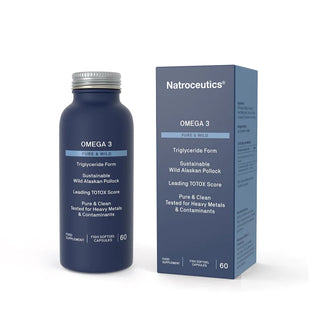
- The foundation, at any age: a quality women's multivitamin, omega-3s and vitamin D3 — then add targeted support, not the other way round.
- For PMS and cycle chaos: Agnus Castus (Vitex) — give it 2–3 full cycles to judge fairly.
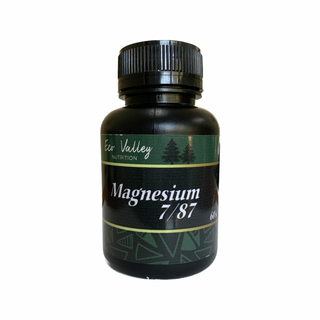
- For perimenopause and energy dips: maca daily for 6–8 weeks, plus magnesium in the evening.
- For skin, hair, nails and joints: collagen with hyaluronic acid — results show around the 90-day mark, not day 10.
- When it's not a supplement problem: exhaustion with heavy periods means get your ferritin tested; sudden cycle changes or severe symptoms deserve a GP visit first.
Understanding Women's Unique Nutritional Needs
Women's bodies undergo extraordinary changes throughout life. Menstruation, pregnancy, breastfeeding, perimenopause, and menopause all place unique demands on the body that require specific nutritional support. Research consistently shows that women are more likely than men to experience deficiencies in key nutrients such as iron, calcium, vitamin D, magnesium, and B vitamins.
These deficiencies aren't merely theoretical — they manifest as fatigue, mood swings, weakened immunity, thinning hair, brittle nails, and declining bone density. The good news is that a thoughtful approach to supplementation, combined with a balanced diet rich in whole foods, can address these gaps and help you feel your absolute best at every age.
It's also worth noting that stress — a near-constant companion for many modern women — depletes essential nutrients at an accelerated rate. Chronic stress burns through B vitamins, magnesium, and vitamin C, creating a cycle where nutrient depletion worsens stress resilience, which in turn depletes more nutrients. Breaking this cycle often requires intentional supplementation alongside stress management practices.
Women's Multivitamins: The Foundation of Wellness
Life's demands can often leave us juggling multiple responsibilities, and as women, it's crucial to ensure we're nurturing our bodies from within. Enter women's multivitamins — a comprehensive blend of essential nutrients designed to bridge nutritional gaps in our diets. Whether you're a young woman embarking on your career, a mother balancing family and work, or an individual savouring the wisdom of age, women's multivitamins provide the foundation for overall health, keeping you energised and vibrant.
What to look for in a quality women's multivitamin
- Iron: Essential for menstruating women to prevent anaemia and maintain energy levels. Women of childbearing age need approximately 18mg of iron daily.
- Folate (Vitamin B9): Critical for reproductive health and particularly important for women planning pregnancy. Methylfolate is the most bioavailable form.
- Vitamin D3: Despite South Africa's abundant sunshine, many women are surprisingly deficient. Vitamin D supports bone health, immunity, and mood regulation.
- B-Complex Vitamins: These water-soluble vitamins support energy metabolism, nervous system function, and help combat fatigue — something most women experience regularly.
- Magnesium: Often called the "relaxation mineral," magnesium supports over 300 enzymatic reactions in the body and can help with menstrual cramps, sleep quality, and stress management.
- Calcium: Women begin losing bone density in their thirties, making adequate calcium intake essential long before menopause.
Browse our comprehensive range of vitamins and minerals to find the perfect multivitamin formulation for your life stage. We stock trusted brands that prioritise bioavailability and quality ingredients.
Multivitamins for different life stages
In your 20s and 30s: Focus on formulations rich in iron, folate, and B vitamins to support energy, reproductive health, and the demands of a busy lifestyle. This is also the ideal time to establish strong nutritional foundations that will serve you well in later decades.
In your 40s: As perimenopause begins, look for multivitamins that include higher levels of magnesium, vitamin B6, and antioxidants to support hormonal transitions and protect against oxidative stress.
In your 50s and beyond: Post-menopausal formulations should emphasise calcium, vitamin D3, vitamin K2, and B12 (absorption of which decreases with age). Iron requirements typically decrease after menopause.
Maca and Agnus Castus: Nurturing Balance from Within
Navigating the twists and turns of womanhood requires a sense of balance, and Maca and Agnus Castus (also known as Vitex or Chasteberry) stand ready to provide just that. Maca, with its adaptogenic properties, harmonises hormonal fluctuations, supporting energy levels and emotional well-being. Coupled with Agnus Castus, which traditionally aids in menstrual discomfort and reproductive health, these supplements empower young women, mothers, and women transitioning into menopause to embrace each phase confidently.
The science behind maca
Maca (Lepidium meyenii) is a root vegetable native to the Peruvian Andes that has been used for thousands of years to enhance fertility, stamina, and vitality. Modern research supports many of these traditional uses:
- Hormonal Balance: Maca doesn't contain hormones itself but appears to support the endocrine system in producing and regulating hormones more efficiently. Studies have shown it can help reduce symptoms of both PMS and menopause.
- Energy and Stamina: Unlike caffeine, maca provides sustained energy without jitters or crashes. It's particularly beneficial for women experiencing fatigue related to hormonal fluctuations.
- Mood Support: Research published in the journal Menopause found that maca was associated with improved mood scores in post-menopausal women.
- Libido Enhancement: Several clinical trials have demonstrated maca's ability to improve sexual desire in both pre- and post-menopausal women.
For best results, maca is typically taken daily for at least six to eight weeks, as its benefits are cumulative. It's available in powder form (easily added to smoothies) and in capsule form for convenience.
The power of Agnus Castus
Agnus Castus works primarily by influencing the pituitary gland, which is often called the "master gland" because it orchestrates the production of many hormones throughout the body. It's particularly effective for:
- Regulating irregular menstrual cycles
- Reducing PMS symptoms including breast tenderness, bloating, and irritability
- Supporting fertility by promoting healthy progesterone levels
- Easing the transition into menopause
Explore our full range of herbal supplements for natural, plant-based solutions that support hormonal harmony throughout every stage of womanhood.
Collagen and Hyaluronic Acid: Radiate Ageless Beauty
As women, our skin tells the story of our lives — our laughter, our expressions, and yes, the passage of time. Collagen production naturally begins to decline from around age 25, decreasing by approximately 1–1.5% per year. By the time a woman reaches menopause, the drop in oestrogen accelerates collagen loss dramatically — studies suggest women lose up to 30% of their skin collagen in the first five years after menopause.
This is where collagen and hyaluronic acid supplementation become particularly valuable:
Collagen: more than skin deep
- Skin Elasticity and Hydration: Research pooling multiple clinical studies has found that collagen supplementation can improve skin hydration and elasticity, with visible changes typically appearing around the 90-day mark.
- Joint Health: Collagen is the primary structural protein in cartilage. Supplementation has been shown to reduce joint pain and stiffness, particularly important for active women and those experiencing age-related joint changes.
- Bone Density: Collagen makes up roughly 90% of the organic bone matrix. Research suggests that collagen supplementation may help slow bone density loss in post-menopausal women.
- Hair and Nail Strength: Many women report significant improvements in hair thickness and nail strength after consistent collagen use.
- Gut Health: The amino acids in collagen, particularly glycine and glutamine, support the integrity of the gut lining.
Hyaluronic acid: the hydration hero
Hyaluronic acid is a naturally occurring substance in the body that can hold up to 1,000 times its weight in water. When taken orally, it has been shown to improve skin moisture levels from within, complementing the structural benefits of collagen. Together, collagen and hyaluronic acid form a powerful duo for maintaining youthful, radiant skin.
Discover our curated selection of skin, hair, and nails supplements to find premium collagen and hyaluronic acid products that support your natural beauty from the inside out.
Supporting Energy and Vitality Through Every Stage
One of the most common complaints among women of all ages is fatigue. Whether it's the exhaustion of early motherhood, the energy drain of perimenopause, or the general weariness that comes from carrying the mental load, fatigue can significantly impact quality of life.
Beyond multivitamins, several targeted supplements can help restore your vitality:
- Iron (especially if you have heavy periods): Have your ferritin levels checked — optimal levels for energy are generally above 50 ng/mL, even though labs often list much lower numbers as "normal."
- Coenzyme Q10 (CoQ10): This powerful antioxidant supports cellular energy production and becomes increasingly important after age 40 when natural production declines.
- Ashwagandha: Another adaptogenic herb that helps the body manage stress while supporting sustained energy and improved sleep quality.
- Vitamin B12: Especially important for women following plant-based diets, as B12 is primarily found in animal products.
Browse our energy and vitality collection for supplements specifically formulated to help you maintain the stamina needed to meet life's demands.
Gut Health: The Often-Overlooked Foundation
It's impossible to discuss holistic women's wellness without addressing gut health. The gut microbiome influences virtually every aspect of women's health, from hormone metabolism and immune function to mood regulation and nutrient absorption. In fact, the gut contains a collection of bacteria called the "estrobolome" that specifically helps regulate oestrogen levels in the body.
When the gut microbiome is imbalanced (a condition called dysbiosis), it can contribute to:
- Hormonal imbalances and oestrogen dominance
- Weakened immunity
- Low mood and irritability
- Poor nutrient absorption (meaning your supplements may not work as effectively)
- Skin conditions such as acne, eczema, and premature ageing
- Weight management difficulties
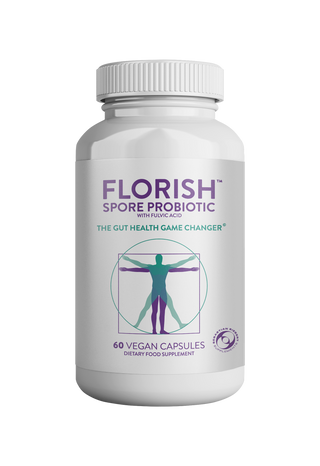
A high-quality probiotic, combined with prebiotic fibre from whole foods, can help maintain a healthy gut ecosystem. Look for formulations containing well-researched strains such as Lactobacillus rhamnosus, Lactobacillus reuteri, and Bifidobacterium longum, which have specific benefits for women's health. Explore our gut health collection for probiotics and digestive support supplements.
Practical Tips for Getting the Most from Your Supplements
Investing in quality supplements is only half the equation — taking them correctly ensures you actually receive their benefits. Here are some practical guidelines:
Timing matters
- Fat-soluble vitamins (A, D, E, K): Take with a meal containing healthy fats for optimal absorption.
- Iron: Best taken on an empty stomach with vitamin C for enhanced absorption. Avoid taking it with calcium, coffee, or tea.
- Magnesium: Take in the evening, as it promotes relaxation and can support better sleep.
- Probiotics: Take on an empty stomach, ideally first thing in the morning or before bed.
- Collagen: Can be taken any time, but many women find it convenient to add to their morning coffee or smoothie.
Consistency is key
Most supplements require consistent daily use for weeks or even months before their full benefits are felt. Set a daily reminder, keep your supplements visible, or pair them with an existing habit (such as your morning cup of rooibos) to build a lasting routine.
Quality over quantity
Choose supplements from reputable brands that undergo third-party testing. Look for products free from unnecessary fillers, artificial colours, and common allergens. At One Life Health, we carefully curate our range to ensure you have access to only the highest quality products.
Listen to your body
Every woman is unique. What works brilliantly for your friend or sister may not be the ideal fit for you. Start with foundational supplements — a quality multivitamin, omega-3 fatty acids, and vitamin D — then add targeted support based on your specific symptoms and life stage. Consider working with a healthcare practitioner who can recommend testing to identify your individual nutritional needs.
A Holistic Approach: Beyond Supplements
While supplements play a vital role in supporting women's health, they work best as part of a holistic lifestyle approach. Consider incorporating these evidence-based practices alongside your supplementation routine:
- Nutrient-Dense Eating: Prioritise whole foods including leafy greens, colourful vegetables, lean proteins, healthy fats, and fermented foods. South Africa's abundant fresh produce makes this both achievable and delicious.
- Regular Movement: A combination of strength training (crucial for bone density), cardiovascular exercise, and flexibility work supports women's health at every age. Even 30 minutes of brisk walking daily can make a significant difference.
- Stress Management: Chronic stress wreaks havoc on hormones, gut health, and immunity. Practices such as meditation, deep breathing, journaling, or simply spending time in nature can help regulate the stress response.
- Quality Sleep: Aim for 7–9 hours per night. Sleep is when your body repairs, detoxifies, and rebalances hormones — skimping on it undermines everything else on this list.
This Women's Day, Put Yourself on the List
You look after everyone else's health — let us help with yours. Visit One Life Health in Centurion, Glen Village or Edenvale, or WhatsApp us on 076 913 5059 and tell us your stage and your symptoms. We'll suggest a simple routine that fits your life and your budget — and we'll be honest about what you don't need.
By One Life Health Consultant
From the apothecary shelf
A few products we'd hand a customer asking for a starting point. Not a paid placement — these are what we actually take, recommend, or keep at the front of the shelf.