

The Apothecary
Navigating Hay Fever and Allergy Season
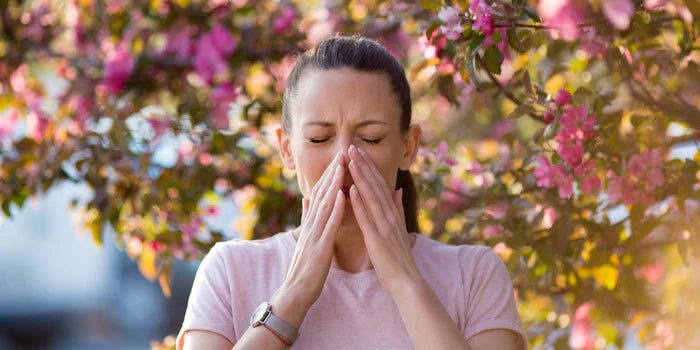
Spring in South Africa means warmer days and blooming landscapes — but for many, it also brings the unwelcome return of hay fever. Sneezing, congestion, and itchy eyes can take the shine off the season.
The jacarandas come out, and so do the tissues. Sneezing fits in the morning, itchy eyes by lunch, a blocked nose that turns every night's sleep into a wrestling match — if spring in South Africa does this to you, you're one of roughly 30% of us with allergic rhinitis, says the Allergy Foundation of South Africa.
Not sure which one?
Get a quick product pick
Your match
Need a hand?
Find the right supplement faster
Browse the relevant range or ask our team for a quick recommendation.
Conventional antihistamines work, but plenty of people are tired of the drowsiness or want to deal with the cause, not just mask the sneeze. Here's what we'd actually take, when to start it, and the everyday habits that cut your pollen load in half.
What we'd suggest
- Start quercetin with bromelain 2–3 weeks BEFORE your season hits (500–1,000 mg quercetin daily, split into two doses, between meals). It stabilises the cells that release histamine — prevention, not mopping up.
- Add vitamin C — it boosts quercetin absorption and has mild antihistamine action of its own.
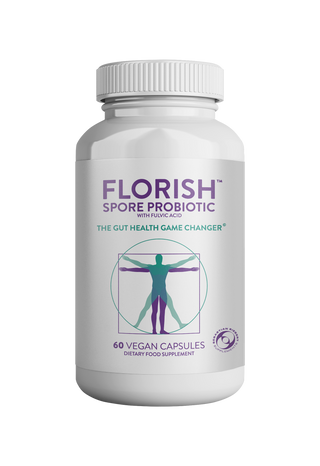
- Take a daily multi-strain probiotic (10 billion CFU+) — 70–80% of your immune tissue is in your gut, and trials show probiotics reduce hay fever severity.
- Shower before bed during pollen season. Otherwise you're sleeping face-down in the day's pollen all night.
What's actually happening when you sneeze
Hay fever (allergic rhinitis) is your immune system misreading harmless pollen, dust mites or mould as a threat and releasing histamine — hence the sneezing, streaming nose, itchy eyes and that worn-out feeling. In SA the season typically peaks August to November. The Highveld's grasslands push pollen counts brutally high in spring; coastal areas deal more with mould and local vegetation. Knowing your region's pattern tells you when to start your preventatives.
Quercetin + bromelain: the headline act
Quercetin is a flavonoid from onions, apples, berries and green tea, and research (published in Molecules, among others) shows it works as a natural mast cell stabiliser — it stops histamine being released in the first place, instead of blocking it afterwards. Bromelain, the pineapple enzyme, improves quercetin's absorption and reduces nasal swelling in its own right.
- Timing: start 2–3 weeks before your season so it builds up in your system.
- Dose: 500–1,000 mg quercetin daily, in two doses, about 20 minutes before meals.
- Pair it with vitamin C from our vitamins and minerals collection for better absorption and extra antihistamine effect.
Fix the gut, calm the allergy
This isn't a wellness catchphrase — a meta-analysis in the International Archives of Allergy and Immunology found probiotics significantly reduced hay fever symptom severity and improved quality of life. The right strains nudge your immune system away from the overreactive response that drives allergies.
- Strains worth looking for: Lactobacillus rhamnosus GG, L. acidophilus, Bifidobacterium lactis (nasal symptoms) and L. paracasei (itchy eyes specifically).
- How: multi-strain, 10 billion CFU+, taken daily for weeks to months — consistency beats intensity.
- Feed them with prebiotic foods (garlic, onion, banana, asparagus), and browse our probiotics and wider gut health collection.
B02 Nasal Spray: for when your nose is already blocked
The B02 Nasal Spray uses bound oxygen to soothe irritated nasal passages and relieve congestion — and unlike conventional decongestant sprays, it doesn't cause rebound congestion with ongoing use, so it's gentle enough for daily duty all season. Use it right: blow your nose first, tilt your head slightly forward, spray while breathing in gently — and use it before heading into a high-pollen garden, not after the damage is done. A saline rinse beforehand to flush allergens out makes it work even better.
The herbal bench
- Stinging nettle: ironically, one of nature's best antihistamines — in one double-blind study 58% of participants rated it effective. Capsules, tea or tincture.
- Butterbur: clinical research has found it compares well to standard antihistamines for hay fever control, without the drowsiness some people experience. Only buy PA-free extracts.
- Spirulina: 1–2 g daily significantly reduced sneezing, congestion and itching in published research — find it in our superfoods collection.
All of these live in our herbal supplements range.
Cut your pollen exposure (free, and it works)
- Check pollen counts (the UCT Lung Institute runs SA's monitoring) and plan around warm, dry, windy days — the worst ones.
- Windows closed in early morning and late afternoon when counts peak.
- Shower and change before bed — pollen clings to hair and clothes.
- Wash bedding weekly at 60°C+, and skip the washing line in peak season — line-dried sheets are pollen traps.
- Wraparound sunglasses outdoors; exercise late afternoon or after rain when counts drop; mask up for gardening.
- A HEPA air purifier removes up to 99.97% of airborne particles if your budget stretches.
Eat against the inflammation
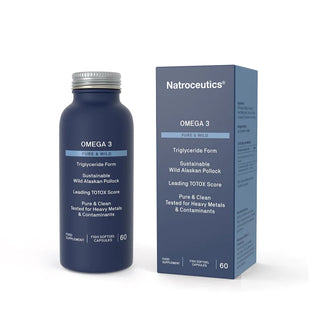
Helps: omega-3s (fatty fish, flaxseed, walnuts), turmeric and ginger (curcumin inhibits histamine release), colourful fruit and veg (natural quercetin and vitamin C), green tea, and — evidence is mixed but many swear by it — local raw honey. Worsens: refined sugar and processed food (inflammation), alcohol (wine and beer literally contain histamines — red wine is a notorious trigger), and for some people, dairy thickens the mucus. Watch out for oral allergy syndrome too: grass-pollen sufferers may react to tomatoes and oranges, birch-pollen sufferers to apples and almonds.
Play the long game
Allergy management works best as a year-round habit, not a September scramble: solid sleep (allergies wreck sleep, and poor sleep worsens allergies — break the cycle deliberately), stress management (stressed people measurably suffer worse symptoms), 2+ litres of water to keep mucous membranes doing their job, and a resilient base from our immunity range.
When it's beyond the natural toolkit
Wheezing, chest tightness, symptoms that don't respond to anything, or sinus infections on repeat — see a doctor. Uncontrolled allergic rhinitis can develop into asthma, and that needs proper medical care.
Want a season plan for your region and symptoms — quercetin timing, the right probiotic strain, whether butterbur is worth it for you? WhatsApp us and we'll set you up before the jacarandas do their thing.
By One Life Health Consultant
From the apothecary shelf
A few products we'd hand a customer asking for a starting point. Not a paid placement — these are what we actually take, recommend, or keep at the front of the shelf.