The Apothecary

MAXIMIZING VITAMIN C POTENTIAL THROUGH VARIOUS FORMS

Practical supplement guidance from One Life Health.

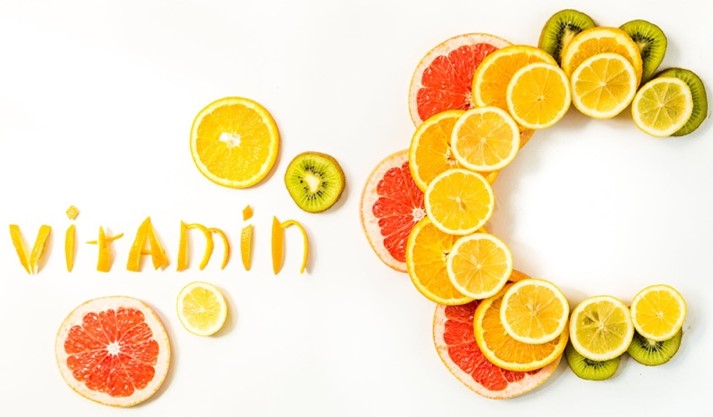
Different forms of vitamin C supplements including capsules and tablets on a clean background

MAXIMIZING VITAMIN C POTENTIAL THROUGH VARIOUS FORMS

Maximising Vitamin C Potential Through Various Forms

Vitamin C is arguably one of the most well-known and widely consumed nutrients on the planet — and for good reason. This essential water-soluble vitamin plays a critical role in immune function, collagen synthesis, wound healing, iron absorption, and antioxidant defence. Yet, despite its popularity, many South Africans are unaware that not all vitamin C supplements are created equal. The form you choose can significantly impact how much your body actually absorbs and utilises.

In this comprehensive guide, we will dive into the fascinating world of vitamin C and explore its various forms. Specifically, we will discuss calcium ascorbate, calcium ascorbate with bioflavonoids, Ester-C, and Liposomal-C. Join us as we unravel the mysteries surrounding these different vitamin C forms and shed light on which forms are highly absorbed by the body, helping you make the most informed decision for your health.

Why Vitamin C Form Matters

Before we explore each form in detail, it's important to understand why the form of vitamin C you take matters so much. Standard ascorbic acid — the most basic form of vitamin C — is effective but comes with limitations. It has a relatively short half-life in the body (approximately 30 minutes to 2 hours), can cause gastrointestinal discomfort at higher doses, and its absorption rate decreases as the dose increases. Research published in the Annals of the New York Academy of Sciences suggests that at doses above 200mg, the absorption efficiency of standard ascorbic acid drops significantly.

This is precisely why scientists and supplement manufacturers have developed alternative forms of vitamin C that address these limitations — improving absorption, reducing stomach irritation, and extending the time vitamin C remains active in the bloodstream. Understanding these differences can help you choose the right supplement for your individual needs, lifestyle, and health goals.

1. Calcium Ascorbate

Calcium ascorbate is a buffered form of vitamin C that is easier on the stomach, making it an ideal choice for individuals with sensitive digestion. It combines calcium with ascorbic acid, creating a non-acidic form of vitamin C with a neutral pH. While it offers the benefits of both calcium and vitamin C, it's important to note that the body may absorb calcium and vitamin C separately.

How Calcium Ascorbate Works

When you ingest calcium ascorbate, your digestive system breaks the compound down into its two constituent parts: calcium ions and ascorbate (the active form of vitamin C). The buffering effect of the calcium means the supplement has a pH closer to neutral (around 6.8-7.4), compared to pure ascorbic acid which has a pH of approximately 2.4. This is a significant difference for anyone who has experienced heartburn, nausea, or stomach cramps from regular vitamin C supplements.

Who Should Consider Calcium Ascorbate?

  • Individuals with sensitive stomachs: If you suffer from gastritis, acid reflux, or irritable bowel syndrome, calcium ascorbate is a gentler alternative.
  • Those needing additional calcium: A typical 1,000mg calcium ascorbate supplement provides roughly 100-120mg of elemental calcium, contributing to your daily calcium needs.
  • People who take vitamin C throughout the day: Because it's gentler on the stomach, you can comfortably split doses without digestive discomfort.

Practical Tip

For optimal results, take calcium ascorbate with meals. While the buffered form is gentle enough to take on an empty stomach, pairing it with food can further enhance absorption and minimise any residual digestive sensitivity. If you're looking for quality calcium ascorbate products, explore our vitamins and minerals collection for trusted South African and international brands.

2. Calcium Ascorbate with Bioflavonoids

Calcium ascorbate with bioflavonoids is similar to regular calcium ascorbate but with the powerful addition of bioflavonoids. Bioflavonoids are plant compounds found abundantly in fruits and vegetables — particularly in citrus fruits, berries, grapes, and green tea — that possess remarkable antioxidant properties. They are believed to enhance the absorption and utilisation of vitamin C in the body. Bioflavonoids work synergistically with vitamin C to support overall health and provide additional antioxidant benefits.

The Science Behind Bioflavonoids and Vitamin C Synergy

Bioflavonoids, also known as flavonoids, include compounds such as quercetin, hesperidin, rutin, and naringin. These compounds are not merely passive companions to vitamin C — they actively enhance its function in several important ways:

  • Improved absorption: Research suggests that bioflavonoids may increase vitamin C absorption by up to 35% compared to vitamin C taken alone. A study published in the British Journal of Nutrition found that citrus flavonoids significantly improved the bioavailability of ascorbic acid.
  • Extended activity: Bioflavonoids help protect vitamin C from oxidation, effectively extending its active life in the body. This means more of the vitamin C you consume actually reaches your cells.
  • Complementary antioxidant action: While vitamin C neutralises free radicals in aqueous (water-based) environments, many bioflavonoids work in lipid (fat-based) environments, providing a more comprehensive antioxidant shield.
  • Vascular health support: Bioflavonoids like rutin and hesperidin are particularly renowned for supporting capillary strength and healthy blood circulation — benefits that complement vitamin C's role in collagen synthesis for blood vessel integrity.

Who Should Consider This Form?

  • Anyone seeking maximum value from their supplement: The synergistic effect means you get more benefit per milligram.
  • Those focused on skin health and anti-ageing: The combined antioxidant power of vitamin C and bioflavonoids is excellent for protecting skin from oxidative stress and supporting collagen production. Browse our skin, hair and nails collection for complementary products.
  • People with allergies or histamine sensitivity: Quercetin, a common bioflavonoid, has natural antihistamine properties that may help manage seasonal allergies alongside vitamin C's immune-supporting effects.

Practical Tip

If your diet is low in fruits and vegetables, choosing a vitamin C supplement with bioflavonoids is an especially wise decision, as you may be missing out on these important plant compounds naturally. For an extra antioxidant boost, consider pairing your supplement with superfoods rich in natural bioflavonoids, such as baobab powder, rosehip, or acerola cherry.

3. Ester-C (Calcium Ascorbate with Metabolites)

Ester-C is a patented form of vitamin C that has gained significant popularity in the supplement industry. It is primarily composed of calcium ascorbate but includes naturally occurring vitamin C metabolites, particularly dehydroascorbic acid (DHAA) and threonate. These metabolites are what distinguish Ester-C from standard calcium ascorbate and contribute to its enhanced bioavailability.

What Makes Ester-C Unique?

The key differentiator of Ester-C is the presence of threonic acid and other metabolites that are produced during a proprietary water-based manufacturing process. Research conducted at the University of Otago and published in peer-reviewed journals has demonstrated several advantages:

  • Enhanced cellular uptake: Threonate has been shown to enhance the uptake of vitamin C into white blood cells (leukocytes) — a critical advantage, as these are the very cells that require high concentrations of vitamin C to function optimally during immune responses.
  • Extended retention: Studies suggest that Ester-C may remain in white blood cells for up to 24 hours longer than standard ascorbic acid, providing extended immune support throughout the day.
  • Stomach-friendly pH: Like standard calcium ascorbate, Ester-C has a neutral pH, making it gentle on the digestive system.
  • No increase in oxalate production: Some concerns exist about high-dose vitamin C increasing oxalate levels (which could contribute to kidney stones in susceptible individuals). Ester-C has been shown to produce less oxalate than standard ascorbic acid.

Who Should Consider Ester-C?

  • Individuals with compromised immune systems: The enhanced white blood cell uptake makes Ester-C particularly valuable during cold and flu season or for those recovering from illness. Pair it with products from our immunity collection for comprehensive support.
  • Busy professionals and travellers: If you prefer a once-daily supplement, Ester-C's extended retention in the body means you may not need to split doses throughout the day.
  • Those prone to kidney stones: The reduced oxalate production makes this a safer choice for individuals with a history of calcium oxalate kidney stones.

Practical Tip

Ester-C is particularly effective when taken consistently as part of your daily routine rather than only when you feel unwell. Building and maintaining adequate vitamin C levels in your immune cells takes time, so daily supplementation is key. Consider taking your Ester-C in the morning with breakfast to establish a consistent habit.

4. Liposomal Vitamin C

Liposomal vitamin C represents the cutting edge of vitamin C supplementation technology. This innovative form encapsulates ascorbic acid within tiny lipid (fat) spheres called liposomes, which are made from phospholipids — the same material that forms human cell membranes. This unique delivery system fundamentally changes how vitamin C is absorbed and utilised by the body.

The Science of Liposomal Delivery

Traditional vitamin C absorption occurs through sodium-dependent vitamin C transporters (SVCTs) in the small intestine. These transporters have a limited capacity, which is why absorption efficiency drops dramatically at higher doses — your body can only absorb approximately 200-500mg of standard vitamin C at one time.

Liposomal vitamin C bypasses this limitation entirely. Because the vitamin C is encapsulated within phospholipid bilayers, it can be absorbed through a completely different mechanism — direct fusion with the intestinal cell membranes. This means:

  • Dramatically higher absorption: Studies have shown that liposomal vitamin C can achieve blood levels significantly higher than equivalent doses of standard vitamin C — some research suggests up to 1.5 to 2 times greater bioavailability.
  • Intracellular delivery: Because liposomes are structurally similar to cell membranes, they can deliver vitamin C directly into cells rather than merely into the bloodstream. This intracellular delivery is crucial for vitamin C to perform its functions within cells.
  • Reduced gastrointestinal side effects: Since liposomal C doesn't rely on intestinal transporters and doesn't accumulate in the gut lumen, it rarely causes the digestive discomfort or diarrhoea associated with high-dose standard vitamin C.
  • Extended circulation time: The liposomal encapsulation protects vitamin C from rapid degradation, allowing it to circulate in the bloodstream for longer periods.

Who Should Consider Liposomal Vitamin C?

  • Those requiring high-dose vitamin C: If your healthcare practitioner has recommended therapeutic doses of vitamin C (1,000mg or more), liposomal delivery ensures more of that dose actually reaches your cells.
  • Individuals with compromised digestive function: People with conditions affecting nutrient absorption — such as Crohn's disease, coeliac disease, or age-related digestive decline — may benefit significantly from the alternative absorption pathway offered by liposomal vitamin C.
  • Health-conscious individuals seeking optimal results: If you want the most bioavailable form of oral vitamin C available, liposomal is currently considered the gold standard.
  • Athletes and active individuals: Intense exercise increases oxidative stress and vitamin C requirements. Liposomal delivery ensures rapid, efficient replenishment. Explore our sports nutrition range for complementary performance supplements.

Practical Tips for Liposomal Vitamin C

For best results, take liposomal vitamin C on an empty stomach (at least 15-30 minutes before eating). This maximises the contact between the liposomes and your intestinal lining, enhancing absorption. If you're using a liquid liposomal product, hold it in your mouth for 30 seconds before swallowing — some absorption can occur through the oral mucosa, further boosting bioavailability.

Store liposomal vitamin C products according to the manufacturer's instructions. Many liquid formulations require refrigeration after opening to maintain the integrity of the liposomal structure.

Comparing the Forms: A Quick Reference Guide

Feature Calcium Ascorbate With Bioflavonoids Ester-C Liposomal-C
Stomach Friendly ★★★★☆ ★★★★☆ ★★★★★ ★★★★★
Absorption Rate ★★★☆☆ ★★★★☆ ★★★★☆ ★★★★★
Duration in Body
Shop Supplements R400 free delivery
Back to blog