

The Apothecary
HEART HEALTH
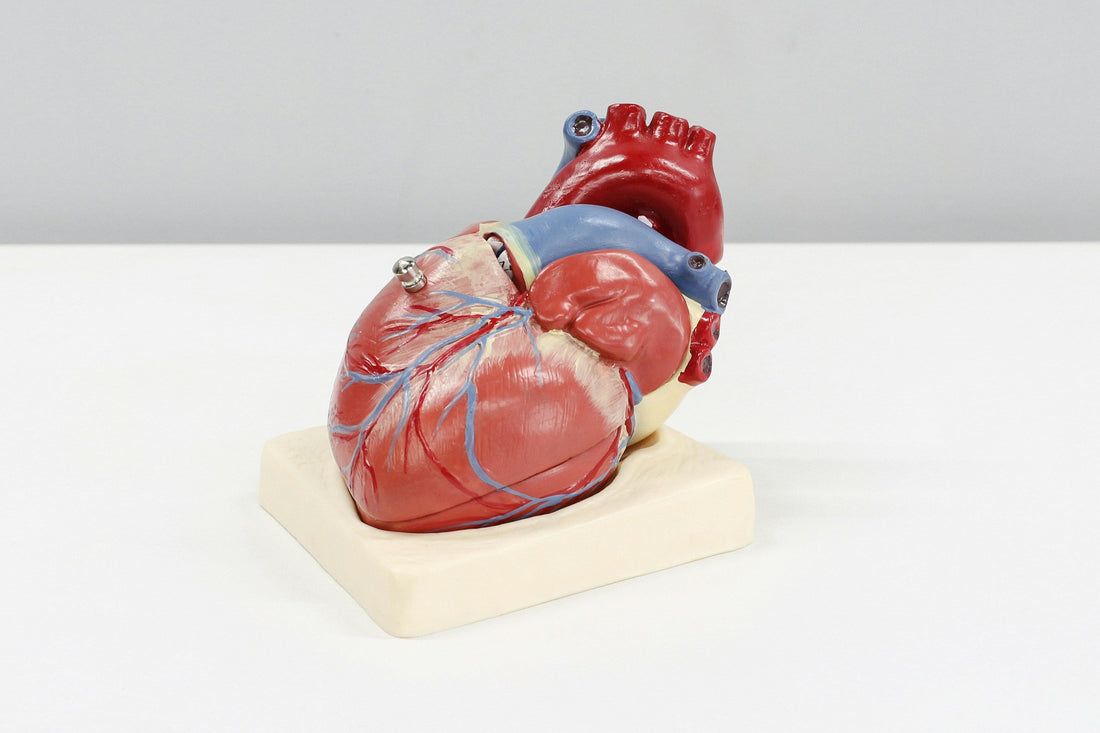
Heart disease is one of South Africa's leading causes of death, yet many of the risk factors are within our control.
Out of breath on the stairs? Blood pressure reading you've been quietly ignoring since your last check-up? A parent or uncle who had "a heart thing" in their fifties? Heart disease causes roughly 1 in 6 deaths in South Africa — and it's creeping into younger and younger age groups. The part nobody leads with: up to 80% of premature heart disease and stroke is preventable.
Not sure which one?
Get a quick product pick
Your match
Need a hand?
Find the right supplement faster
Browse the relevant range or ask our team for a quick recommendation.
Here's what we'd actually do about it, what we'd skip, and when it's a doctor conversation rather than a supplement one.
What we'd suggest (the short version)
- Know your numbers first. Blood pressure, cholesterol, blood glucose. You can't manage what you haven't measured — and hypertension has no symptoms until it does damage.
- Walk 30 minutes a day. Unsexy, free, and it lowers blood pressure by 5–10 mmHg over time.
- Eat more fibre and oily fish, less hidden salt. The processed stuff is where most of your sodium hides — not the salt at the braai.
- If we had to pick two supplements: omega-3 (EPA + DHA) and magnesium. Add CoQ10 if you're over 40 or on a statin.
- Give lifestyle changes 8–12 weeks, then re-test your numbers. That's where the motivation comes from.
- Already on heart medication? Supplements support treatment — they never replace it. Always check with your doctor first.
Why this matters in South Africa specifically
Heart attacks, strokes and hypertension are rising here, and they're no longer "older person" problems — younger South Africans are increasingly being diagnosed with high blood pressure and elevated cholesterol. Part of the story is the shift from traditional diets rich in whole grains, legumes and vegetables to processed, sugar-laden, sodium-heavy convenience food. Add long commutes, desk jobs, money stress and too little sleep, and your heart carries the bill.
With our public healthcare system already stretched, prevention isn't just smart — it's the most realistic plan most of us have.
Know your risk factors
The big modifiable ones:
- High blood pressure: the "silent killer" — a huge number of South African adults have it and don't know. It damages artery walls year after year.
- High LDL cholesterol: drives plaque build-up (atherosclerosis) that narrows the arteries feeding your heart.
- Smoking: damages blood vessels and starves your blood of oxygen.
- Excess weight: South Africa has one of the highest obesity rates on the continent, particularly among women — and it's tightly linked to diabetes and hypertension.
- Sitting all day: a sedentary lifestyle weakens the heart muscle and wrecks circulation and metabolism.
- Diabetes: type 2 diabetes roughly doubles cardiovascular risk.
- Chronic stress: drives inflammation, raises cortisol and blood pressure, and pushes us toward comfort eating and one-more-drink coping.
Age, gender and family history you can't change — but knowing them tells you how seriously to take the ones you can.
Move: the cheapest heart medicine there is
Aim for 150 minutes of moderate activity a week — brisk walking, cycling, swimming, dancing, whatever you'll actually keep doing. Consistent cardio training can:
- Lower resting heart rate by 5–15 beats per minute
- Reduce systolic blood pressure by 5–10 mmHg
- Raise HDL ("good") cholesterol by 5–10%
- Improve insulin sensitivity and lower inflammation markers like CRP
- Take the edge off anxiety and low mood
New to exercise or managing an existing heart condition? Start slow and check with your doctor first — even 30 minutes of walking a day moves the needle. If you're training harder, our sports nutrition range can support performance and recovery.
Eat for your heart (without giving up your life)
The Mediterranean pattern — olive oil, fish, nuts, legumes, fresh produce — cuts cardiovascular events by up to 30% in studies. Practically:
- More soluble fibre: oats, beans, lentils and fruit bind cholesterol in the gut and escort it out.
- Better fats: swap processed and fried fats for avocado, nuts, seeds and oily fish.
- Omega-3 rich food twice a week: sardines and pilchards are the budget-friendly local heroes; salmon, mackerel, flaxseed and chia all count.
- Less sodium: aim under 2,000mg a day. The culprit is usually processed food, stock cubes and sauces — not the salt you can see.
- Antioxidant-rich colour: berries, dark leafy greens, beetroot and turmeric protect blood vessels from oxidative stress. Our superfoods collection makes this easy.
- Water: proper hydration keeps blood viscosity and circulation healthy.
Stress: the risk factor we all pretend isn't one
Chronic stress raises cortisol, drives inflammation, pushes blood pressure up and parks fat around your middle. You can't opt out of load-shedding, traffic or deadlines — but you can change what they do to your body:
- 10 minutes of breathing or mindfulness daily measurably improves heart rate variability.
- Get outside: we live in one of the most beautiful countries on earth — use it.
- Stay connected: strong relationships are genuinely protective against heart disease.
- Adaptogens: ashwagandha and rhodiola help the body handle stress better. Browse our stress and mood support range.
Sleep: the forgotten pillar
Adults who regularly sleep under six hours have a significantly higher risk of heart attack, stroke and hypertension. During deep sleep your heart rate slows, blood pressure drops and repair work happens. Aim for 7–9 hours: consistent bed times, no caffeine after midday, a cool dark room, screens off 30 minutes before bed. If sleep is your weak point, magnesium, valerian or melatonin from our sleep and relaxation collection can help — come chat to us about which fits your situation.
Supplements we'd actually recommend for heart health
Supplements fill gaps and add targeted support — they never replace a decent diet or prescribed medication. Our honest ranking:
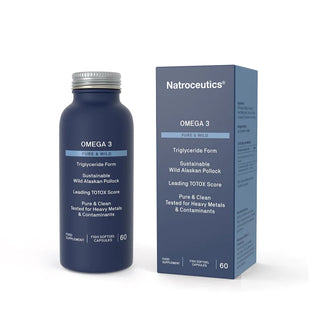
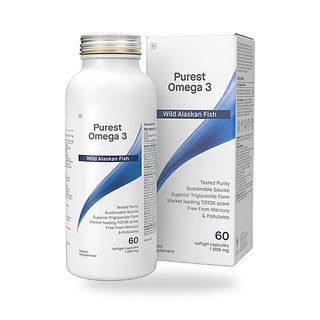
Omega-3 (EPA + DHA) — start here
The most-researched heart supplement there is. Omega-3s lower triglycerides by up to 30%, calm inflammation, support stable heart rhythm and improve the health of your blood vessel lining. Check the label for actual EPA and DHA content, not just "fish oil".
Magnesium — the one most of us are short on
Involved in over 300 reactions, including the ones regulating heart rhythm and blood pressure — and many South Africans don't get enough. Higher magnesium intake is linked to lower rates of hypertension and atherosclerosis. Find quality options in our vitamins and minerals range.
CoQ10 — especially over 40 or on a statin
Your heart muscle runs on CoQ10 for energy production, and levels decline with age. Statins deplete it further (which is partly why they can cause muscle aches). Supplementation supports blood pressure and heart muscle function.
Worth adding for specific goals
- Plant sterols: 2–3g daily can lower LDL cholesterol by 6–15% by blocking cholesterol absorption.
- Psyllium husk fibre: if your diet's short on fibre, it binds cholesterol in the gut and supports a healthy microbiome.
- Aged garlic extract: modest but consistent benefits for blood pressure and cholesterol.
- B vitamins (B6, B12, folate): keep homocysteine — an artery-damaging amino acid — in check.
Your 3-month action plan
- Weeks 1–2: Get screened. Blood pressure, cholesterol, glucose, BMI. Write the numbers down.
- Weeks 3–4: Walk 20–30 minutes, 3–5 days a week.
- Month 2: Clear the pantry of high-sodium, high-sugar processed food; restock with whole grains, legumes, nuts and fresh produce.
- Month 3: Add a daily stress practice — even five minutes — and start your chosen supplements.
- Week 12: Re-test your numbers. Seeing your blood pressure drop is the best motivation money can't buy.
Don't do it alone
Cook heart-healthy meals with your family, rope a friend into a walking group, make the Sunday braai about the company rather than the third helping. Community-based health programmes in South Africa keep proving the same thing: we stick to what we do together.
Not sure which of these applies to you, or whether a supplement clashes with your medication? WhatsApp us on 076 913 5059 or visit any One Life Health store — bring your latest test results and we'll talk you through what's worth doing first.
By One Life Health Consultant
From the apothecary shelf
A few products we'd hand a customer asking for a starting point. Not a paid placement — these are what we actually take, recommend, or keep at the front of the shelf.