


The Apothecary
EXPLORING WHOLESOME WINTER DRINKS
Winter in SA calls for warming drinks, but your usual tea-with-sugar routine might not be doing your health any favours.
Third cup of coffee down by lunchtime, two sugars in each, and you're still cold, tired and fighting off the office sniffles? That's a South African winter for you — early dark evenings, load-shedding tempting you toward yet another instant coffee, and a hot-drink habit that's quietly working against you.
Not sure which one?
Get a quick product pick
Your match
Need a hand?
Find the right supplement faster
Browse the relevant range or ask our team for a quick recommendation.
Here's the honest version: nobody at One Life Health is going to tell you to give up coffee. But what's in your mug three to five times a day is either feeding your immune system or feeding the slump. These are the swaps we'd actually make, how to prepare them at home, and what you can safely ignore.
What we'd suggest
- Swap the afternoon coffee first — a rooibos latte or carob chai. Keep the morning cup if you love it; just halve the sugar.
- Golden milk in the evening if winter makes your joints stiff — the turmeric-plus-black-pepper combination is the one with real evidence behind it.
- Matcha for the mid-morning slump — smooth caffeine plus L-theanine, none of the jitters.
- Give any swap at least a week before you judge it — your taste buds need time to recalibrate after years of two-sugars-and-creamer.
Why Your Winter Drink Choice Matters
Before we dive into specific beverages, it's worth understanding why what you drink during winter is so important. During the colder months, South Africans tend to consume more hot drinks — often three to five cups per day. If each of those cups contains two teaspoons of white sugar and a splash of full-cream milk or powdered creamer, the calories, refined sugars, and unhealthy fats add up quickly.
Moreover, winter is peak season for colds, flu, and respiratory infections. Your body needs all the nutritional support it can get. Choosing drinks rich in vitamins, minerals, and plant-based compounds can provide a meaningful boost to your immune defences, energy levels, and overall vitality. Think of your daily hot drink not just as a comfort, but as an opportunity to nourish your body from the inside out.
Wholesome Winter Drink Alternatives

Matcha: The Antioxidant Powerhouse
Not only does matcha provide a warm, comforting sensation, but it is also incredibly good for you. Originating from Japan, matcha is made from finely ground green tea leaves, which means you consume the entire leaf and all its nutrients — rather than simply steeping and discarding the leaves as with regular green tea.
Matcha contains powerful antioxidants called catechins, particularly epigallocatechin gallate (EGCG), which have significant anti-inflammatory effects on the body. Because matcha is made from the whole leaf rather than steeped and discarded, it delivers markedly more EGCG than a standard cup of green tea — making it one of the most antioxidant-rich beverages you can drink.
Matcha also contains caffeine, which can help improve mental alertness and concentration without the jittery effects that come with coffee. This is largely thanks to L-theanine, an amino acid naturally present in matcha that promotes calm focus and relaxation. The combination of caffeine and L-theanine provides a smooth, sustained energy lift — perfect for those long winter workdays.
How to prepare the perfect matcha latte:
- Sift 1–2 teaspoons of ceremonial-grade matcha powder into a cup to remove lumps.
- Add a small amount of hot (not boiling) water — around 70–80°C is ideal.
- Whisk vigorously with a bamboo whisk or milk frother until smooth and frothy.
- Heat your choice of plant-based milk (oat, almond, or coconut work beautifully) and pour over the matcha.
- Sweeten with a touch of raw honey, date syrup, or stevia if desired.
Matcha is also a fantastic addition to your superfoods collection, as it can be added to smoothies, overnight oats, and even baked goods for an extra nutritional punch.

Carob Chai: Caffeine-Free Spiced Comfort
This caffeine-free alternative to traditional chai is perfect for those who want all the spicy goodness but without the boost in energy — making it an ideal evening drink or a wonderful option for those sensitive to caffeine. Carob powder helps to give the drink a natural sweetness, while other ingredients like ginger, cardamom, and cinnamon bring with them powerful anti-inflammatory and digestive benefits.
Let's break down some of these star ingredients:
- Ginger: A well-known remedy for nausea and digestive discomfort, ginger also has potent anti-inflammatory properties that may help ease winter aches and pains. It's also been shown to support immune function.
- Cinnamon: This warming spice can help regulate blood sugar levels, making it an excellent choice for those managing their weight or blood glucose. Cinnamon is also rich in antioxidants and has antimicrobial properties.
- Cardamom: Often called the "queen of spices," cardamom aids digestion, freshens breath, and may help lower blood pressure.
- Carob: Unlike cocoa, carob is naturally sweet and caffeine-free. It's also a good source of fibre, calcium, and B vitamins, making it a nourishing base for any hot drink.
Carob chai is particularly beneficial for those looking to support their gut health during winter, as the combination of warming spices and fibre-rich carob can help soothe the digestive tract and promote healthy bowel function.
Preparation tip: Brew your carob chai mix with warm plant-based milk for a creamy, indulgent latte-style drink. Add a pinch of black pepper to enhance the bioavailability of the spices' active compounds.

Green Instant Coffee: A Healthier Coffee Fix
If you can't get enough of the taste of coffee but want something a bit healthier when winter arrives, green instant coffee may be the way to go. This kind of coffee is made from unroasted coffee beans, which means it retains a higher concentration of chlorogenic acid — a powerful antioxidant that is largely destroyed during the traditional roasting process.
Chlorogenic acid has been linked to several health benefits, including improved blood sugar regulation, reduced inflammation, and support for healthy weight management. Some studies suggest it may also help lower blood pressure and improve cardiovascular health. Green coffee still contains caffeine, but typically in lower amounts than regular roasted coffee, offering a gentler energy boost.
How to enjoy green instant coffee:
- Dissolve one teaspoon in hot water (you can adjust the strength to your preference).
- The flavour is milder and slightly more herbaceous than regular coffee — adding a splash of oat milk and a natural sweetener can help if you're transitioning from traditional coffee.
- For an extra nutritional boost, stir in a teaspoon of collagen powder or MCT oil.
Golden Milk (Turmeric Latte): The Anti-Inflammatory Elixir
No list of wholesome winter drinks would be complete without golden milk. This ancient Ayurvedic beverage has taken the health world by storm, and for good reason. The star ingredient, turmeric, contains curcumin — one of nature's most powerful anti-inflammatory and antioxidant compounds.
Golden milk is particularly beneficial during winter when inflammation-related conditions like joint stiffness, muscle aches, and respiratory issues tend to flare up. Curcumin has been extensively studied for its ability to modulate the immune response, reduce oxidative stress, and support overall wellbeing.
Simple golden milk recipe:
- Heat 1 cup of coconut or almond milk in a saucepan over medium heat.
- Add 1 teaspoon of turmeric powder, ½ teaspoon of cinnamon, a small piece of fresh ginger (grated), and a pinch of black pepper (this increases curcumin absorption by up to 2,000%).
- Whisk well and simmer for 3–5 minutes.
- Strain if desired, and sweeten with raw honey or maple syrup.
If you're looking to support your joints and reduce stiffness during the cold months, consider pairing your golden milk habit with a quality joints and mobility supplement for comprehensive support.
Rooibos: South Africa's Own Superfood Tea
We simply cannot discuss wholesome winter drinks without celebrating our very own rooibos tea. Indigenous to the Cederberg region of the Western Cape, rooibos is naturally caffeine-free, low in tannins, and packed with antioxidants including aspalathin — a compound unique to rooibos that has been shown to help regulate blood sugar and reduce inflammation.
Rooibos is also rich in minerals such as calcium, magnesium, zinc, and iron, making it a nourishing choice for the whole family — including children and pregnant women. Its naturally sweet, slightly nutty flavour means it requires little to no added sweetener.
Ways to enjoy rooibos this winter:
- Classic rooibos: Simply steep a rooibos tea bag or loose leaves in boiling water for 5–7 minutes.
- Rooibos chai: Add cinnamon, cardamom, cloves, and ginger to your rooibos for a caffeine-free chai variation.
- Rooibos latte: Brew a strong rooibos tea and combine with frothed almond or oat milk for a creamy, café-style treat.
- Iced rooibos (for warmer winter days): Brew, chill, and serve with lemon and a drizzle of honey.
Healthier Milk and Sugar Alternatives
The drink itself is only part of the equation. What you add to your hot beverages can make a significant difference to their nutritional profile. Here are some wholesome swaps to consider:
Milk Alternatives
- Oat milk: Creamy, naturally sweet, and froths beautifully. It's also a good source of beta-glucan fibre, which supports heart health and digestion.
- Almond milk: Low in calories and a good source of vitamin E. Choose unsweetened varieties for the healthiest option.
- Coconut milk: Rich and indulgent, coconut milk adds a lovely tropical note to golden milk and chai. It contains medium-chain triglycerides (MCTs) that provide quick energy.
- Macadamia milk: A proudly South African option that's creamy, low in calories, and rich in healthy monounsaturated fats.
Sugar Alternatives
- Raw honey: Contains trace enzymes, minerals, and antioxidants. It also has natural antibacterial properties — perfect for soothing winter sore throats.
- Coconut sugar: Has a lower glycaemic index than white sugar and contains small amounts of minerals like iron, zinc, and potassium.
- Stevia: A natural, zero-calorie sweetener derived from the stevia plant. Ideal for those watching their sugar intake or managing diabetes.
- Date syrup: Rich, caramel-like sweetness with added fibre, potassium, and magnesium.
- Xylitol: A sugar alcohol with fewer calories that doesn't spike blood sugar levels as dramatically as refined sugar.
Bonus Tips for Staying Well This Winter
While choosing healthier hot drinks is a wonderful step, a holistic approach to winter wellness will serve you best. Here are some additional tips to stay healthy and energised throughout the season:
- Support your immune system daily: Consider adding a vitamin C, zinc, or elderberry supplement to your routine. Browse our full range of vitamins and minerals to find the right fit for your needs.
- Stay hydrated: It's easy to forget about hydration when it's cold, but your body still needs plenty of fluids. Warm drinks count towards your daily intake, so sip throughout the day.
- Eat warming, nutrient-dense foods: Soups, stews, roasted vegetables, and whole grains complement your healthy drink choices perfectly.
- Keep moving: Regular exercise — even a brisk 20-minute walk — helps boost circulation, mood, and immune function during winter.
- Prioritise sleep: Your body repairs and regenerates during sleep. Aim for 7–9 hours per night, and consider a calming rooibos or chamomile tea as part of your bedtime routine.
Making the Switch: Practical Advice
If you're accustomed to multiple cups of coffee with milk and sugar each day, the idea of switching to matcha or golden milk might feel daunting. Here's a practical approach to making the transition:
- Start with one swap per day: Replace your afternoon coffee with a carob chai or rooibos latte. Keep your morning coffee if you need it, but gradually reduce the sugar.
- Experiment with flavours: You might be surprised by how much you enjoy the natural sweetness of carob or the earthy richness of matcha. Give each new drink at least a week before deciding if it's for you.
- Prepare in advance: Make a batch of golden milk paste (turmeric, cinnamon, ginger, and black pepper mixed with coconut oil) and store it in the fridge. Simply stir a spoonful into warm milk whenever you fancy a cup.
- Invest in quality ingredients: The taste and nutritional value of your drinks will depend on the quality of the ingredients you use. Choose organic matcha, high-quality spices, and minimally processed plant milks for the best results.
Final Thoughts
Winter doesn't have to mean three months of sugar-loaded coffees and a flu that works its way through the whole household. One smarter mug a day — that's the whole assignment. Start with the afternoon swap, give it a week or two, and build from there.
Want a winter immune routine to go with the new drink habits? Pop into One Life Health in Centurion, Glen Village or Edenvale, or WhatsApp us on 076 913 5059 — we'll tell you honestly what's worth taking and what's just clever marketing.
By One Life Health Consultant
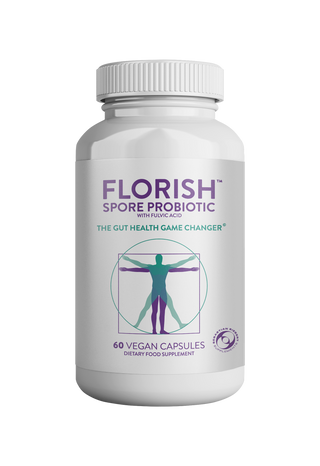
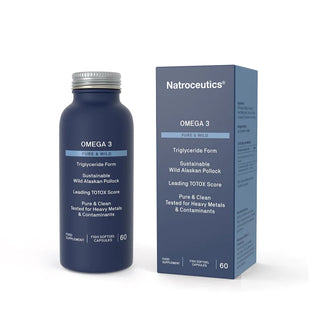
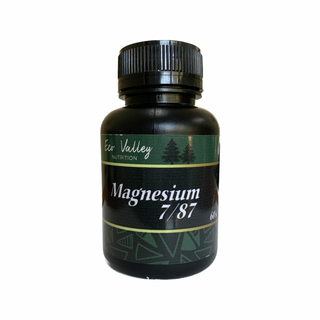
From the apothecary shelf
A few products we'd hand a customer asking for a starting point. Not a paid placement — these are what we actually take, recommend, or keep at the front of the shelf.