

The Apothecary
Exploring the Healing Powers of Medicinal Mushrooms
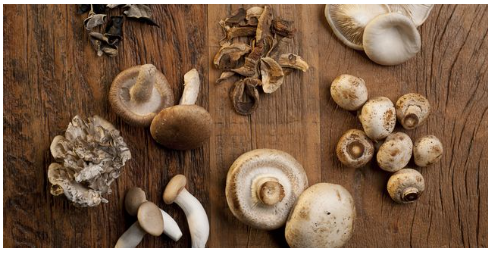
Medicinal mushrooms have held a place in traditional healing systems for centuries, valued for their immune-supporting and adaptogenic properties.
Immune system waving a white flag every winter? Brain that feels like it's buffering by 2pm? You've probably heard someone rave about medicinal mushrooms — and wondered whether it's ancient wisdom or expensive powder. Short answer: the research is real, but only if you buy the right product and use it properly.
Not sure which one?
Get a quick product pick
Your match
Need a hand?
Find the right supplement faster
Browse the relevant range or ask our team for a quick recommendation.
Here's our honest deep-dive: what medicinal mushrooms actually do, how to combine ("stack") them, how to spot a quality supplement — and what we'd skip.
What we'd suggest (the short version)
- For winter immunity: turkey tail, reishi or chaga — or all three together.
- For focus and memory: lion's mane — the only mushroom with genuine, research-backed nootropic potential.
- For stress and sleep: reishi in the evening.
- Buy fruiting-body, dual-extracted, organic products with stated beta-glucan content (20–30%+). Cheap mycelium-on-grain powders are mostly grain.
- Give it 6–8 weeks of daily use before judging — mushrooms are slow, cumulative medicine.
- On medication or in cancer treatment? Talk to your doctor first — mushrooms support treatment, they never replace it.
What medicinal mushrooms can do for you
1. Immune support that goes both ways
Mushrooms contain beta-glucans — complex carbohydrates that stimulate the production and activity of immune cells. What makes them special is that they modulate rather than just stimulate: they can wake up a sluggish immune system and help calm an overactive one, which is why they're studied for autoimmune support as well as everyday defence.
Research in the Journal of Traditional and Complementary Medicine shows mushroom polysaccharides activate macrophages, natural killer cells and dendritic cells — the front line of your innate immunity. Turkey tail in particular is so well studied it's used as an adjunct alongside conventional cancer treatment in Japan. If winter flattens you every year, see our immunity-supporting range, much of which features mushroom extracts.
2. Calming chronic inflammation
"Silent" low-grade inflammation drives most modern lifestyle diseases — heart disease, arthritis, even some cancers. Triterpenoids in reishi, cordycepin in cordyceps and phenolic compounds across species inhibit pro-inflammatory cytokines (TNF-alpha, interleukin-6) and the NF-kB inflammatory pathway. For achy joints, mushrooms pair well with our joints and mobility collection.
3. Serious antioxidant power
Mushrooms are one of the only dietary sources of ergothioneine — an antioxidant amino acid so important your cells have a dedicated transporter protein just to absorb it. They also supply glutathione, the "master antioxidant". Chaga boasts one of the highest ORAC (antioxidant capacity) scores of any natural food.
4. Adaptogenic stress support
Reishi and chaga are adaptogens — they work through the HPA axis to regulate cortisol and steady your stress response. Reishi, "the queen of mushrooms", is particularly good for stress-related sleep problems: taken in the evening it promotes calm without being habit-forming. Stress your main battle? Browse our stress and mood support range.
5. Gut health
Mushroom beta-glucans and chitin act as prebiotics, feeding beneficial Bifidobacterium and Lactobacillus species. Turkey tail has shown impressive prebiotic activity in clinical trials — pair it with a quality option from our probiotics collection for a proper gut strategy.
6. Energy and athletic performance
Cordyceps increases ATP production (your cellular energy currency) and improves oxygen utilisation — studies show improvements in VO2 max. Tibetan yak herders spotted this centuries ago when their animals perked up after grazing on it; gym-goers rediscover it every January.
Lion's mane: the brain mushroom
Lion's mane (Hericium erinaceus) deserves its own section. Its hericenones and erinacines stimulate nerve growth factor (NGF) — the protein responsible for the growth, maintenance and survival of nerve cells — and crucially, its active compounds cross the blood-brain barrier.
- Cognition: a landmark Japanese study in Phytotherapy Research found older adults with mild cognitive impairment improved significantly after 16 weeks of lion's mane versus placebo. Students and professionals typically report better focus within the first few weeks.
- Mood: research in Biomedical Research found reduced anxiety and irritability after just four weeks.
- Nerve repair: animal studies show accelerated nerve regeneration after injury — exciting territory for neurological rehabilitation.
- Digestion: traditional use backed by modern findings — lion's mane helps protect the stomach lining and inhibits Helicobacter pylori, the ulcer bacterium.
Mushroom stacking: combinations that make sense
Stacking means combining species whose benefits complement each other:
- The Cognitive Stack: lion's mane + cordyceps — neurogenesis plus clean energy for focused work.
- The Immunity Stack: turkey tail + reishi + chaga — comprehensive immune support through multiple pathways. Our pick for SA winters.
- The Stress Recovery Stack: reishi + lion's mane — calm plus mood support.
- The Athletic Stack: cordyceps + chaga — performance plus antioxidant protection against training stress.
Start with lower doses of each and build up. Most practitioners suggest cycling: 6–8 weeks on, 1–2 weeks off.
How to spot a quality mushroom supplement
This is where most money gets wasted. Check for:
- Fruiting body, not mycelium-on-grain: the actual mushroom carries far more beta-glucans; cheap mycelium products are largely the grain they grew on.
- Dual extraction: hot water plus alcohol extraction captures both water-soluble and alcohol-soluble compounds.
- Stated beta-glucan content: aim for 20–30% or more, printed on the label.
- Organic certification: mushrooms are bioaccumulators — they absorb whatever's in their environment, including heavy metals and pesticides.
- Third-party testing for purity and potency.
Everything we stock in our herbal supplements collection is chosen with these standards in mind — ask us and we'll show you the labels.
Making mushrooms a daily habit
- Morning: lion's mane and cordyceps powder in your coffee or tea — focus without the jitters. Or chaga in a breakfast smoothie with cacao, maca and berries.
- Evening: reishi tea an hour before bed, or reishi powder stirred into a turmeric golden milk.
- Cooking: mushroom powders disappear happily into soups, stews, gravies and potjie — a nourishing umami boost nobody will detect.
Two recipes to get you started
Immune-Boosting Mushroom Broth
Combine a tablespoon each of chaga and turkey tail powder with vegetable stock, fresh ginger, turmeric, garlic and a pinch of black pepper. Simmer for 20 minutes and strain. Perfect for cold Highveld winter evenings — a potent dose of immune-supporting beta-glucans in a mug.
Lion's Mane Cognitive Smoothie
Blend one teaspoon of lion's mane extract powder with a frozen banana, a tablespoon of almond butter, a handful of blueberries, a teaspoon of raw cacao and a cup of oat or almond milk. Brain fuel that tastes like a milkshake — ideal before a study session or a long day of meetings.
The honest bottom line
Medicinal mushrooms earn their reputation — if you buy quality and stay consistent. Pick the species (or stack) that matches your main complaint, take it daily for 6–8 weeks, and judge by results. And if severe fatigue, frequent infections or cognitive changes are the reason you're reading this, see your doctor first — mushrooms support a healthy body; they don't replace a diagnosis.
Want help choosing between a turkey tail powder and a mushroom complex? WhatsApp us on 076 913 5059 or visit One Life Health at Centurion, Glen Village or Edenvale — we'll match the mushroom to the human.
By One Life Health Consultant
From the apothecary shelf
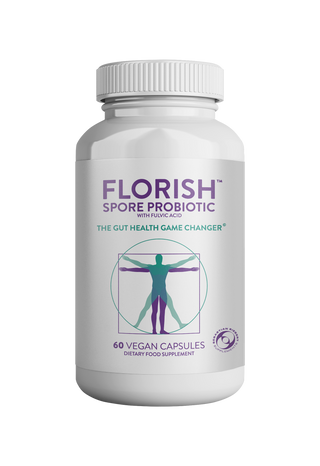
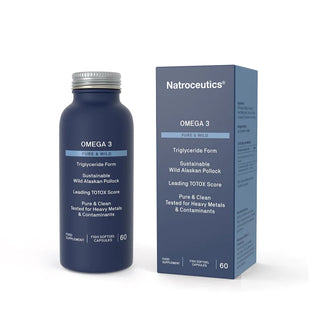
A few products we'd hand a customer asking for a starting point. Not a paid placement — these are what we actually take, recommend, or keep at the front of the shelf.