


The Apothecary
A Guide for Students and Professionals
Year-end pressures hit hard — whether you're a student deep in exam prep or a professional racing to meet December deadlines. Stress, poor sleep, and burnout become real risks when the final stretch of the year piles on.
A Guide for Students and Professionals: Beating Year-End Stress and Burnout
Studying for finals in 30-degree heat? Racing year-end targets while your inbox multiplies and your patience evaporates? Running on coffee, sugar and four hours of sleep — and telling yourself you'll rest in December? That's not dedication; that's the express lane to burnout.
Not sure which one?
Get a quick product pick
Your match
Need a hand?
Find the right supplement faster
Browse the relevant range or ask our team for a quick recommendation.
The South African year-end crunch is brutal: matric exams and university assessments land in sweltering summer, while professionals scramble to close projects before the holidays. Here's what we'd actually do about it — and the signs that mean it's time to stop pushing through.
What we'd suggest (the short version)
- Protect sleep first. 7–9 hours beats any all-nighter — sleep is when your brain files what you studied.
- Feed the machine: B vitamins, magnesium, vitamin C and zinc get burned through fastest under stress — top them up.
- If we had to pick one adaptogen: ashwagandha for frazzled-and-wired; rhodiola for flat-and-exhausted.
- Work in blocks, not marathons: 25 minutes focused, 5 minutes off. Repeat.
- Cut caffeine after 14:00 — it's still in your system at midnight.
- Two weeks of burnout symptoms = act, don't push. And if it's hopelessness or panic, skip the supplements and call SADAG (numbers below).
Understanding Year-End Stress and Burnout
Stress is the body's natural response to high demands, but prolonged or excessive stress can lead to burnout—a state of physical, mental, and emotional exhaustion. When your body is under constant stress, it produces elevated levels of cortisol, the primary stress hormone. While cortisol is helpful in short bursts—sharpening focus and boosting energy—chronically elevated cortisol wreaks havoc on your immune system, digestion, sleep quality, and cognitive function.
The World Health Organisation officially recognised burnout as an "occupational phenomenon" in 2019, describing it as a syndrome resulting from chronic workplace stress that has not been successfully managed. However, the same principles apply to students who face relentless academic pressure during exam season.
Signs of Burnout:
- Persistent fatigue that doesn't improve with rest
- Difficulty concentrating or "brain fog"
- Lack of motivation and feelings of cynicism
- Sleep disturbances, including insomnia or oversleeping
- Physical symptoms like headaches, muscle tension, or digestive issues
- Increased irritability and emotional sensitivity
- Weakened immune function, leading to frequent colds or infections
- Social withdrawal and loss of enjoyment in activities you once loved
Both students and professionals are vulnerable to burnout, especially during the demanding year-end period. Recognising the signs early is key to taking proactive steps to manage your health. If you notice several of these symptoms persisting for more than two weeks, it's time to take deliberate action rather than simply pushing through.
1. Prioritise Your Health
Good health is the foundation of productivity and resilience. Neglecting your well-being can worsen stress, making it harder to focus and stay motivated. Think of your body as the vehicle that carries you through this demanding period—without proper maintenance, it simply won't perform.
- For Students: Sleep well to consolidate memory, eat brain-boosting foods like berries, walnuts, and fatty fish, and stay hydrated to maintain focus during study sessions. Research consistently shows that sleep is when your brain transfers information from short-term to long-term memory—so pulling all-nighters is actually counterproductive. Aim for 7-9 hours of quality sleep each night, especially before exams.
- For Professionals: Avoid skipping meals and over-caffeinating during crunch time. Opt for balanced meals that include proteins, healthy fats, and complex carbohydrates to sustain energy through long workdays. Keep healthy snacks at your desk—nuts, fruit, and yoghurt are far better choices than sugary energy drinks or vending machine snacks.
Nutritional Support for Stress
Your nutritional choices play a more significant role in stress management than most people realise. Certain nutrients are depleted more rapidly when your body is under stress, including B vitamins, magnesium, vitamin C, and zinc. Without adequate levels of these nutrients, your body struggles to produce the neurotransmitters needed for calm focus and emotional balance.
Consider incorporating a high-quality vitamin and mineral supplement into your daily routine during high-pressure periods. B-complex vitamins are particularly important for energy production and nervous system function, while magnesium is often called "nature's relaxation mineral" due to its role in calming the nervous system and promoting restful sleep.
Adaptogenic herbs have also gained significant scientific support for their ability to help the body cope with stress. Ashwagandha, Rhodiola rosea, and Holy Basil are among the most well-researched adaptogens. These botanicals work by modulating your stress response, helping to normalise cortisol levels rather than simply masking symptoms. Give them 6–8 weeks of consistent use for full effect. Explore our range of herbal supplements to find adaptogenic formulations that suit your needs.
2. Plan Ahead
Effective planning can reduce overwhelm and help you stay on top of tasks. The feeling of being overwhelmed often comes not from the actual volume of work, but from the lack of a clear plan to tackle it.
- Create a Priority List: Break down your workload into manageable tasks and focus on high-priority items first. Use the Eisenhower Matrix to categorise tasks into four quadrants: urgent and important, important but not urgent, urgent but not important, and neither urgent nor important. This helps you focus your energy where it matters most.
- Use Time Blocks: Allocate dedicated time for work, studies, breaks, and self-care. The Pomodoro Technique—working in focused 25-minute intervals followed by 5-minute breaks—is particularly effective for maintaining concentration during study or work sessions. After four cycles, take a longer 15-30 minute break.
- Set Boundaries: Learn to say no to non-essential commitments during peak stress periods. This applies to social engagements, additional projects, and even family obligations that can wait. Communicate clearly with those around you about your current workload and availability. Setting boundaries isn't selfish—it's essential for sustainable performance.
- Batch Similar Tasks: Group similar activities together to reduce the mental energy lost when switching between different types of work. For students, this might mean studying related subjects back-to-back. For professionals, it could mean dedicating specific time blocks to emails, meetings, and deep work.
3. Manage Stress Actively
Stress management shouldn't be an afterthought—it needs to be a deliberate, daily practice, especially during high-pressure periods.
- Exercise Regularly: You don't need hour-long gym sessions to benefit from physical activity. Even 20-30 minutes of brisk walking, yoga, or stretching can significantly reduce cortisol levels and boost endorphins. Exercise also improves blood flow to the brain, enhancing cognitive function and memory retention—a crucial benefit for students preparing for exams.
- Practice Mindfulness and Breathing: Simple breathing exercises can activate your parasympathetic nervous system, counteracting the "fight or flight" response. Try the 4-7-8 technique: inhale for 4 seconds, hold for 7 seconds, and exhale slowly for 8 seconds. Repeat this four times whenever you feel anxiety building.
- Limit Screen Time: Constant exposure to screens—especially social media—can amplify feelings of stress and inadequacy. Set specific times to check your phone and consider using app blockers during study or work sessions.
- Connect with Others: Don't isolate yourself during stressful periods. Share your concerns with friends, family, or colleagues. Sometimes simply verbalising your stress can reduce its emotional weight. Study groups and accountability partners can also help maintain motivation.
For those struggling with persistent stress and low mood, natural support can make a meaningful difference. Our stress and mood support collection includes carefully selected formulations containing ingredients like L-theanine, GABA, valerian root, and passionflower, which have been shown to promote calmness without causing drowsiness.
4. Prioritise Quality Sleep
Sleep is arguably the single most important factor in managing stress and maintaining cognitive performance. Yet it's often the first thing sacrificed when deadlines loom. This is a critical mistake—research published in the journal Sleep has shown that even one night of poor sleep can reduce cognitive performance by up to 25%.
Sleep Hygiene Tips:
- Maintain a Consistent Schedule: Go to bed and wake up at the same time every day, even on weekends. This regulates your circadian rhythm and improves sleep quality over time.
- Create a Wind-Down Routine: Spend 30-60 minutes before bed engaged in calming activities—reading, gentle stretching, or listening to soothing music. Avoid screens during this time, as blue light suppresses melatonin production.
- Optimise Your Sleep Environment: Keep your bedroom cool, dark, and quiet. South African summers can be particularly hot, so consider a fan or breathable bedding to maintain a comfortable temperature.
- Avoid Stimulants After 2 PM: Caffeine has a half-life of approximately 5-6 hours, meaning that afternoon coffee could still be affecting your sleep at midnight.
If you're struggling with sleep during stressful periods, natural sleep aids can provide gentle support without the grogginess associated with pharmaceutical options. Browse our sleep and relaxation range for supplements containing melatonin, magnesium glycinate, valerian root, and other evidence-based ingredients that promote restful, restorative sleep.
5. Fuel Your Brain and Body Properly
What you eat directly impacts your ability to handle stress, concentrate, and maintain energy throughout the day. During high-pressure periods, it's tempting to reach for quick fixes—sugary snacks, energy drinks, and fast food—but these choices lead to energy crashes and increased anxiety.
Brain-Boosting Foods to Include:
- Omega-3 Fatty Acids: Found in fatty fish, flaxseeds, and walnuts, omega-3s support brain health and have been shown to reduce symptoms of anxiety and depression.
- Complex Carbohydrates: Whole grains, sweet potatoes, and oats provide steady glucose to the brain, preventing the energy crashes associated with refined sugars.
- Leafy Greens: Spinach, kale, and Swiss chard are rich in folate and magnesium, both of which support neurotransmitter production and stress resilience.
- Berries: Blueberries, strawberries, and other berries are packed with antioxidants that protect brain cells from oxidative stress.
- Fermented Foods: Yoghurt, kefir, and sauerkraut support gut health, which is increasingly recognised as crucial for mental health through the gut-brain axis.
For an extra nutritional boost during demanding periods, consider adding superfoods to your daily routine. Green powders, spirulina, maca root, and other nutrient-dense superfoods can help fill nutritional gaps and provide sustained energy without the crash associated with caffeine and sugar.
The Gut-Brain Connection
Emerging research has revealed a powerful bidirectional communication pathway between your gut and your brain, known as the gut-brain axis. Approximately 90% of your body's serotonin—the "feel-good" neurotransmitter—is produced in the gut. When stress disrupts your digestive system, it can directly impact your mood, focus, and emotional resilience.
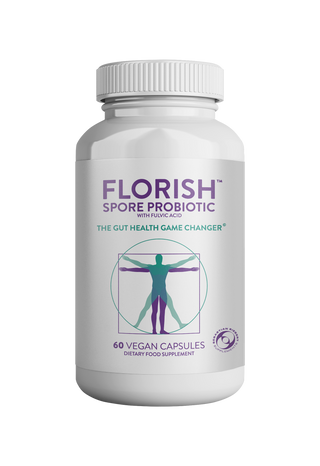
Supporting your gut health during stressful periods is therefore not just about digestion—it's about mental health. A high-quality probiotic supplement can help maintain a healthy gut microbiome, supporting both digestive comfort and emotional well-being during high-pressure periods.
6. Build Energy Sustainably
Relying on caffeine and sugar to power through late-night study sessions or marathon workdays might seem effective in the short term, but these strategies inevitably lead to crashes, increased anxiety, and disrupted sleep patterns—creating a vicious cycle of exhaustion and stimulant dependence.
Instead, focus on building sustainable energy through proper nutrition, adequate hydration, regular movement, and targeted supplementation. Our energy and vitality collection offers natural alternatives to artificial stimulants, including B-vitamin complexes, iron supplements, CoQ10, and adaptogenic formulations designed to support sustained energy production at the cellular level.
Practical Energy Tips:
- Drink at least 2 litres of water daily—dehydration is one of the most common and overlooked causes of fatigue and poor concentration.
- Take short movement breaks every 60-90 minutes to boost circulation and refresh your focus.
- Expose yourself to natural sunlight in the morning to regulate your circadian rhythm and boost alertness.
- Practice power naps of 10-20 minutes (no longer) in the early afternoon if you feel your energy dipping.
7. Know When to Seek Help
While the strategies outlined in this guide can make a significant difference, it's important to recognise when professional support is needed. If you're experiencing persistent feelings of hopelessness, severe anxiety, panic attacks, or thoughts of self-harm, please reach out to a healthcare professional immediately.
In South Africa, the following resources are available:
- SADAG (South African Depression and Anxiety Group): 0800 567 567
- Lifeline South Africa: 0861 322 322
- Student counselling services at most universities and colleges
There is no shame in asking for help. In fact, recognising your limits and seeking support is one of the strongest things you can do for yourself.
Final Thoughts: You've Got This
The year-end period is undeniably challenging, but it's also temporary. By prioritising your health, planning effectively, managing stress proactively, and nourishing your body with the right nutrients, you can navigate this demanding season without sacrificing your well-being.
Remember that productivity and self-care are not opposing forces—they're deeply interconnected. When you take care of your body and mind, you perform better, think more clearly, and approach challenges with greater resilience. The small, consistent choices you make each day—choosing a nutritious meal over fast food, getting an extra hour of sleep instead of scrolling through social media, taking a ten-minute walk to clear your head—these compound over time to create a foundation of health that carries you through even the toughest periods.
Whether you're a matric student preparing for the most important exams of your life or a professional racing to close out the year strong, give yourself grace. Do your best, take care of yourself, and trust the process. The finish line is closer than you think.
Need help putting together an exam-season or deadline-season survival kit — the right magnesium, an adaptogen that fits your symptoms, snacks that aren't sugar bombs? WhatsApp us on 076 913 5059 or visit One Life Health at Centurion, Glen Village or Edenvale.
By One Life Health Consultant
From the apothecary shelf
A few products we'd hand a customer asking for a starting point. Not a paid placement — these are what we actually take, recommend, or keep at the front of the shelf.