The Apothecary
THE MARVELLOUS POWERS OF MAGNESIUM
Magnesium plays a role in over 300 biochemical processes in the body, yet many South Africans don't get enough of it through diet alone.
Calf cramps that yank you awake at 2am? Eye twitches, sugar cravings, a brain that won't switch off at bedtime even though you're exhausted? Before you blame stress (or load-shedding), check the mineral most South Africans are quietly short on: magnesium.
Not sure which one?
Get a quick product pick
Your match
Need a hand?
Find the right supplement faster
Browse the relevant range or ask our team for a quick recommendation.
Here's what we'd actually take, which form to choose for your specific problem, and how long to give it before you decide it's working.
What we'd suggest (the short version)
- For sleep, anxiety or a racing mind: magnesium glycinate, 30–60 minutes before bed.
- For constipation: magnesium citrate with meals.
- For fatigue or fibromyalgia: magnesium malate in the morning.
- For heart support: magnesium taurate. For focus and memory: threonate.
- Skip magnesium oxide for correcting a deficiency — it's poorly absorbed.
- Start low, go slow, and give it 4–6 weeks. Loose stools mean you've gone up too fast.
- On medication or have kidney issues? Check with your doctor first.
Why magnesium matters so much
Magnesium is involved in over 300 enzymatic reactions — energy production, protein synthesis, nerve signalling, blood glucose control, muscle function. Your body holds about 25g of it, mostly in bone and muscle, with only about 1% in the blood. That's why a standard blood test can look "normal" while your tissues are running on empty — and why symptoms matter more than the lab number.
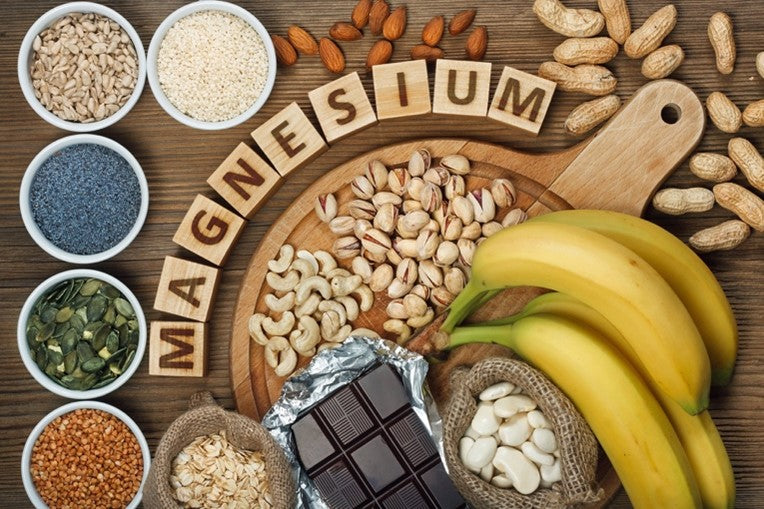
It's naturally in nuts, seeds, leafy greens and whole grains, but modern farming and food processing have stripped much of it out of everyday food — which is why so many of us fall short without realising it.
What good magnesium levels do for you
- Muscles that behave: magnesium is a natural calcium-blocker that lets muscle fibres relax after contracting — fewer cramps, less post-exercise soreness, no more midnight calf spasms. If you train hard, pair it with our sports nutrition range.
- Stronger bones: magnesium converts vitamin D into its active form so your body can actually use calcium. Without it, your calcium and vitamin D supplements are working at half power.
- A healthier heart: it keeps heart rhythm steady, relaxes blood vessel walls and supports healthy blood pressure. Higher intakes are consistently linked with lower cardiovascular risk.
- Calm under pressure: magnesium regulates the HPA axis — your body's stress-response system — and moderates cortisol. Low magnesium and high stress feed each other in a nasty loop: stress burns through magnesium, and low magnesium makes you more reactive to stress. For sleep struggles specifically, see our sleep and relaxation collection.
- Steadier blood sugar: magnesium helps insulin receptors work properly. People with higher intakes have a meaningfully lower risk of type 2 diabetes.
- Better mood: it's involved in serotonin production, and a 2017 study in PLOS ONE found magnesium supplementation helped mild-to-moderate depression. Our stress and mood support range includes formulas that pair magnesium with other calming nutrients.
Signs you might be running low
- Muscle cramps and spasms — especially calves at night
- Fatigue and weakness — magnesium activates ATP, your cellular energy currency (see our energy and vitality collection if tiredness is your main complaint)
- Insomnia — magnesium regulates melatonin and GABA, your sleep chemistry
- Anxiety, irritability, low mood
- Headaches and migraines — migraine sufferers often run low, and supplementation can reduce frequency and severity
- Heart palpitations
- Pins and needles in hands and feet
- Constipation
- Relentless sugar cravings — magnesium is needed for glucose metabolism
Most at risk: older adults, anyone with gut conditions like Crohn's or coeliac disease, people with type 2 diabetes, heavier drinkers, anyone on reflux medication (PPIs) or diuretics — and anyone under chronic stress, which describes most of us in this economy.
Magnesium and your hormones
For women
- PMS: reduces bloating, breast tenderness, water retention and mood swings.
- Period pain: relaxes uterine muscle — often as effectively as over-the-counter painkillers.
- PCOS: women with PCOS frequently run low; supplementing may improve the insulin resistance driving the condition.
- Thyroid: needed to convert inactive T4 into active T3.
- Menopause: helps with hot flushes, sleep disturbances and mood changes.
For men
- Testosterone: higher intake is linked to higher free and total testosterone, especially in active men.
- Recovery: less inflammation, faster muscle repair.
- Prostate health: emerging research links good magnesium status to healthy prostate function.
Which form should you take?
This is where most people go wrong — the form matters as much as the dose:
- Glycinate: highly absorbable, gentle on the stomach, naturally calming. Best for sleep, anxiety and relaxation.
- Citrate: good all-rounder with solid absorption; draws water into the bowel, so it's the pick for constipation.
- Threonate: crosses the blood-brain barrier — best for memory, focus and brain health.
- Taurate: magnesium plus taurine, both heart-friendly — best for blood pressure and heart rhythm support.
- Malate: tied into the body's energy cycle — best for fatigue and fibromyalgia.
- Oxide: cheap and high in elemental magnesium but poorly absorbed — fine as a short-term constipation remedy, not for fixing a deficiency.
- Topical (chloride): oils, creams and bath flakes for targeted muscle relief, or if oral magnesium upsets your stomach.
Get some from your plate too
- Pumpkin seeds: about 150mg per 28g handful — the champion
- Dark chocolate (70%+): around 65mg per 28g — you're welcome
- Almonds and cashews: 75–80mg per handful
- Spinach and Swiss chard: 78–150mg per cooked cup
- Beans and lentils: 60–120mg per cooked cup
- Avocado: about 58mg each
- Whole grains and bananas round it out
Many superfoods are naturally magnesium-rich too, with co-factor minerals that help it work.
How to take it properly
Daily targets: women 310–320mg, men 400–420mg, pregnancy 350–360mg. Therapeutic doses can run higher — chat to us or your healthcare provider about your situation.
Timing:
- Sleep and relaxation: glycinate 30–60 minutes before bed
- Energy and muscles: malate or citrate in the morning or early afternoon
- Digestion: citrate with meals
- General health: split the dose morning and evening
Helps absorption: vitamin B6 (transports magnesium into cells), good vitamin D status, taking it with food.
Hurts absorption: taking it at the same time as calcium or high-dose zinc, lots of caffeine and alcohol (both flush magnesium out), and unsoaked grains and legumes (phytates bind it).
Start low and go slow: build up over one to two weeks. Loose stools are the classic sign you've exceeded your tolerance — drop back a step and hold there.
Give it 4–6 weeks — then reassess
Magnesium isn't a sleeping pill; it's restocking a depleted system. Most people notice better sleep and fewer cramps within two weeks, with mood and energy improvements following over 4–6 weeks. If you've taken a well-absorbed form consistently for six weeks and nothing's shifted, the problem may not be magnesium — persistent fatigue, palpitations or low mood deserve a proper check-up rather than another supplement.
Not sure which form fits your symptoms? WhatsApp us on 076 913 5059 or pop into One Life Health at Centurion, Glen Village or Edenvale — tell us what your body's doing and we'll match you to the right one the first time.
By One Life Health Consultant
From the apothecary shelf
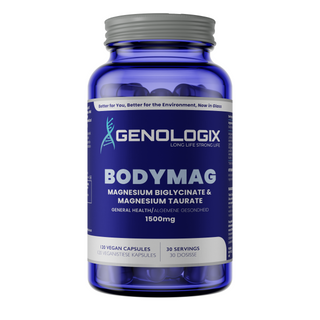
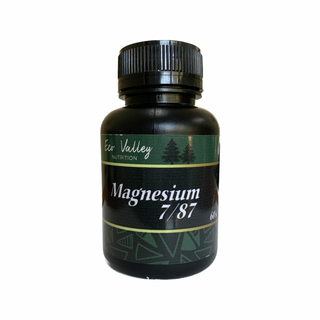
A few products we'd hand a customer asking for a starting point. Not a paid placement — these are what we actually take, recommend, or keep at the front of the shelf.