

The Apothecary
The South African Winter Immunity Stack, What Our Health Consultants Actually Recommend
What our consultants actually take through winter — the lean stack, the doses, and what we add when colds start showing up at the till.
South African winters are short but vicious. If you're tired of getting hit twice between May and August, here's the lean immunity stack our consultants actually rotate through ourselves — what we take year-round, what we add when sniffles start showing up at the till, and which winter immunity products you can leave on the shelf.
Not sure which one?
Get a quick product pick
Your match
Need a hand?
Find the right supplement faster
Browse the relevant range or ask our team for a quick recommendation.
The South African Winter Immunity Stack - What Our Health Consultants Actually Recommend
The short answer: Three supplements, each with a different job, each with proper evidence behind it. Vitamin C as your daily baseline, Zinc as your "first sign of symptoms" lever and Elderberry as the 48-hour rescue. That's the stack our team actually recommends at the counter, no fluff, no 12-product pyramid schemes.
Why SA winter hits differently
From April to September, the Highveld does a quiet number on your immunity:
- Lower sun exposure = lower natural vitamin D production (SA actually has surprisingly high vitamin D deficiency rates, a 2019 study published in the South African Medical Journal found that up to 30% of South Africans have suboptimal vitamin D levels, rising significantly during winter months)
- Dry indoor air from heaters = dehydrated mucous membranes, which are your first line of defence against viruses
- Temperature swings of 15-20°C between daytime and early evening, which stresses the body's thermoregulation and diverts metabolic resources away from immune surveillance
- More time indoors in closer proximity = higher viral exposure, particularly in offices, schools and public transport
- Fewer fresh fruits and vegetables in a typical winter diet compared to summer, meaning reduced phytonutrient and antioxidant intake at precisely the time your body needs them most
- Increased psychological stress - shorter days, less outdoor activity and financial pressures (winter tends to coincide with back-to-school expenses and rising electricity bills) all elevate cortisol, which directly suppresses immune function
None of this is catastrophic on its own. But it compounds over 5–6 months and the result is the predictable April-July bump in colds, flu and low-grade fatigue that fills our Centurion store every morning. By the time most people reach for help, they're already two or three days into a cold, which is too late for some interventions and just in time for others.
That's exactly why we built this stack the way we did. It's not a panic purchase. It's a proactive system with three layers, each designed to intervene at a different stage of immune challenge.
The stack, three products, three jobs
1. Vitamin C - the daily baseline
Dose: 500–1000 mg daily, with food, ideally split into morning and evening.
Vitamin C is the most-studied immune nutrient in the world. It's water-soluble, which means two things: you can't overdose on it (excess gets excreted) and you also can't "stock up", you need a steady daily supply. Think of it less like filling a tank and more like keeping a tap running.
The evidence for vitamin C preventing colds in the general population is modest a Cochrane review of 29 trials found about an 8% reduction in cold duration for adults supplementing regularly. That might not sound dramatic, but the evidence for it shortening colds once you have one is much stronger especially at higher doses taken regularly before symptom onset. People who were already supplementing before they got sick recovered faster than those who started after symptoms appeared.
What vitamin C actually does at the cellular level is fascinating and worth understanding. It supports the production and function of white blood cells particularly neutrophils, lymphocytes and phagocytes. It acts as a potent antioxidant, protecting immune cells from the oxidative damage they generate when fighting pathogens. And it strengthens epithelial barriers the lining of your respiratory tract, your gut wall, your skin, which serve as your body's first physical defence against infection.
Which form should you take? Standard ascorbic acid works perfectly well for most people. If you find it upsets your stomach, look for a buffered form (calcium ascorbate or sodium ascorbate) or an ester-C formulation. Liposomal vitamin C has shown improved bioavailability in some studies, which may be worth the extra cost if you're looking for optimal absorption. Browse our full range of vitamins and minerals to find the right vitamin C format for your needs.
Don't waste your money on: 2000 mg mega-doses taken all at once. Anything above 500 mg at a single sitting just gets excreted by the kidneys. Split the dose into 500 mg in the morning and 500 mg in the evening to maintain steady plasma levels throughout the day.
Practical tip: Keep your vitamin C next to your kettle or coffee machine, somewhere you'll see it twice a day. Compliance beats dosage every single time. The best supplement is the one you actually take consistently.
2. Zinc - the first-sign lever
Baseline dose: 15–25 mg daily as a preventative during winter. At first sign of symptoms: 50–75 mg per day for 3–5 days (then drop back to the baseline dose).
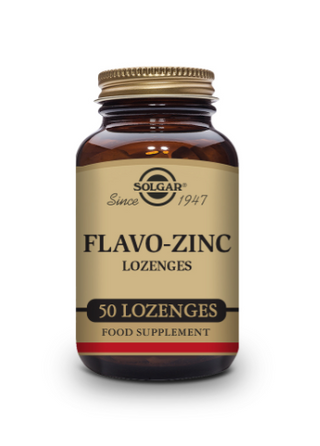
Zinc is where most people under-dose and under-use. The research on zinc for colds is actually very solid, multiple meta-analyses show zinc lozenges or capsules taken within 24 hours of symptoms can reduce cold duration by 33%. That's not a trivial effect. If a pharmaceutical drug produced those numbers, it would be a blockbuster.
Zinc plays a critical role in immune function at multiple levels. It's essential for the development and activation of T-lymphocytes, the immune cells responsible for identifying and destroying infected cells. It supports the integrity of the skin and mucosal membranes. It also supports the body's normal immune response during seasonal challenges. And it helps regulate the inflammatory response, preventing the excessive inflammation that makes you feel terrible when you're ill.
The form matters enormously. Zinc picolinate, citrate, and gluconate are all well-absorbed. Zinc bisglycinate is another excellent option, particularly for people with sensitive stomachs. Zinc oxide, which is the form found in many cheap multivitamins, is poorly absorbed and largely a waste of money for immune support purposes.
Absorption interactions to know about: Zinc should NOT be taken at the same time as calcium, iron, or coffee, it competes for absorption with all three. If you take a calcium or iron supplement, separate them by at least two hours. And that morning coffee? Take your zinc at least 30 minutes before or after.
Don't take it on an empty stomach if you're prone to nausea. Split the dose if 50 mg upsets your gut, two 25 mg doses, one with breakfast and one with dinner, is perfectly effective and much gentler. Also be mindful that long-term high-dose zinc supplementation (above 40 mg daily for extended periods) can deplete copper levels, so the higher "acute dose" protocol is strictly short-term, 3 to 5 days maximum, then back to baseline.
South African context: Zinc deficiency is more common than most people realise, particularly among South Africans who eat a diet high in refined maize meal, which contains phytates that actively block zinc absorption. If your winter diet is heavy on pap, bread and processed foods, you're likely not getting enough zinc from food alone. Good dietary sources include red meat, pumpkin seeds, chickpeas, and dark chocolate, but a targeted supplement during winter months provides valuable insurance.
3. Elderberry - the 48-hour rescue
Dose: Follow the product label, typically 500–1000 mg of elderberry extract daily at the onset of symptoms, for up to 5 days.
Elderberry (Sambucus nigra) is the third pillar of this stack and its job is specific: it's your rescue intervention when you feel something coming on. While vitamin C and zinc are steady, preventative measures, elderberry is the one you lean into hard during the first 48 hours of symptoms.
The evidence here is genuinely impressive. A 2019 meta-analysis published in Complementary Therapies in Medicine analysed data from multiple randomised controlled trials and found that elderberry supplementation substantially reduced upper respiratory symptoms, with the strongest effect seen when supplementation began within 24–48 hours of symptom onset. A well-known 2004 study found that flu patients who took elderberry extract recovered an average of four days earlier than the placebo group.
How does it work? Elderberry contains high concentrations of anthocyanins, the deep purple pigments that also give blueberries and red grapes their colour. These compounds are being studied for their role in immune response. Elderberry may support immune signalling during seasonal illness, but it does not treat or cure flu.
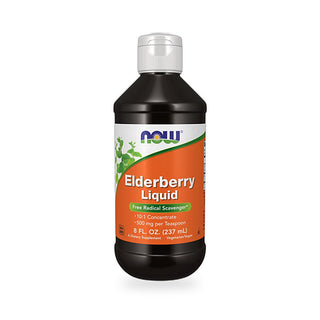
Elderberry is available as syrups, capsules, lozenges, and gummies. Our herbal supplements collection includes several high-quality elderberry options. For adults, capsule or liquid extract forms typically deliver the most consistent dosing. For children, syrups and gummies tend to be easier to administer, just check the label for appropriate age-related dosing.
Important caveat: Elderberry is a rescue tool, not a daily preventative for most people. While some people do take low-dose elderberry throughout winter as a prophylactic measure (and there's nothing wrong with that approach), the strongest evidence supports its use at symptom onset. Keep a bottle in your cupboard and reach for it at the first scratchy throat or unusual fatigue.
What we take ourselves through winter: 5000 IU D3 + K2 daily, 1000 mg vitamin C, 30 mg zinc bisglycinate. Three things. Elderberry on day one of a sore throat, zinc lozenges through the first 24 hours.
The supporting cast - what completes the picture
While the three-product stack above is our core recommendation, there are several supporting nutrients and habits that can meaningfully enhance your winter resilience.
Vitamin D - the forgotten foundation
We mentioned South Africa's surprisingly high vitamin D deficiency rates above. During winter, particularly for people who work indoors, vitamin D supplementation of 1000-2000 IU daily is sensible. Vitamin D is critical for innate immune function, it activates antimicrobial peptides and helps modulate the inflammatory response. You can find quality vitamin D supplements in our vitamins and minerals range.
Probiotics - the gut-immune connection
Approximately 70% of your immune system resides in your gut. A growing body of research shows that specific probiotic strains, particularly Lactobacillus rhamnosus GG and Lactobacillus plantarum, can reduce the incidence and duration of respiratory infections. If you're prone to winter bugs, adding a quality probiotic to your daily routine is a smart move. Explore our probiotics collection for options that contain clinically studied strains at effective colony-forming-unit counts.
Lifestyle factors that actually matter
No supplement stack can compensate for fundamentally poor lifestyle habits. Our health consultants consistently emphasise these non-negotiable foundations:
- Sleep: 7–9 hours per night is the single most powerful immune support strategy available. One study found that sleeping fewer than 6 hours per night makes you 4.2 times more likely to catch a cold when exposed to a virus. If sleep quality is a struggle during winter, our sleep and relaxation range offers natural options to support healthy sleep patterns.
- Hydration: Dry winter air and heated indoor environments dehydrate your mucous membranes. Aim for at least 2 litres of water daily. Herbal teas count. Coffee and alcohol don't, they're mild diuretics.
- Movement: Moderate exercise (30–45 minutes most days) enhances immune surveillance. Intense exercise without adequate recovery can temporarily suppress immunity, so winter is not the time to double your training volume.
- Stress management: Chronically elevated cortisol suppresses nearly every aspect of immune function. Even 10 minutes of daily breathwork, meditation, or simply walking outside during lunch can measurably lower cortisol levels.
- Hand hygiene: It's not glamorous, but regular hand washing with soap remains the single most effective intervention for preventing the transmission of respiratory viruses. Do it properly, 20 seconds minimum and do it often.
How to time the stack through winter
Here's the practical protocol our health consultants recommend, laid out across the winter season:
Phase 1: Prevention (April – ongoing through winter)
- Vitamin C: 500 mg morning + 500 mg evening, daily with food
- Zinc: 15–25 mg daily with a meal (not with coffee, calcium, or iron)
- Vitamin D: 1000–2000 IU daily (optional but recommended)
- Probiotic: daily, preferably in the morning
Phase 2: First signs of illness (scratchy throat, unusual fatigue, sneezing)
- Zinc: increase to 50–75 mg daily, split into two doses, for 3–5 days
- Elderberry: begin immediately at label dose, continue for up to 5 days
- Vitamin C: continue as normal (you're already covered from Phase 1)
- Increase fluids dramatically aim for 3+ litres of water and herbal tea
- Prioritise sleep cancel plans if you need to. This is where recovery happens.
Phase 3: Recovery (symptoms subsiding)
- Return zinc to baseline dose (15–25 mg)
- Taper off elderberry
- Continue vitamin C and probiotic as normal
- Reintroduce gentle movement as energy returns don't rush back to intense exercise
Common mistakes our health consultants see every winter
After years of advising customers through cold and flu season, our team has identified the same recurring mistakes:
- Waiting until you're already sick to start supplementing. Vitamin C and zinc work best when tissue levels are already optimised before viral exposure. Starting them on day three of a cold is far less effective.
- Buying the cheapest option and expecting results. Supplement quality varies enormously. Zinc oxide in a R29 multivitamin is not the same as zinc picolinate in a targeted immune formula. You're not saving money if it doesn't absorb.
- Taking everything at once in the morning with coffee. Coffee inhibits zinc absorption. Calcium competes with zinc. Fat-soluble vitamins need food. Timing matters more than most people realise.
- Neglecting sleep and hydration while piling on supplements. No capsule can overcome chronic sleep deprivation and dehydration. Fix the foundations first, then supplement intelligently.
- The "12-product panic buy." More products doesn't mean more protection. Three well-chosen, properly dosed, correctly timed supplements will outperform a shopping bag full of random pills every time.
Build your winter immunity stack
Shop One Life's immune support range to compare vitamin D, zinc, vitamin C, elderberry and winter-ready formulas available online and in-store.
Our top picks for this guide
A few products we'd hand a customer asking for a starting point. Not a paid placement — these are what we actually take, recommend, or keep at the front of the shelf.