

The Apothecary
Nature's Herbal Shelf: Exploring the Benefits of Herbal Supplements for Immune Support
From echinacea and elderberry to astragalus and pelargonium, herbal supplements have a long history of traditional use for immune support — but what does the evidence actually say?
Nature's Herbal Shelf: Exploring the Benefits of Herbal Supplements for Immune Support
Catching every cold that does the rounds at work or school? Barely shaken one bug before the next one moves in? When SA winter hits and half the office is sniffing, "just push through" stops being a strategy. The good news: a handful of well-researched herbs can genuinely shore up your defences — if you use the right ones, the right way.
Not sure which one?
Get a quick product pick
Your match
Need a hand?
Find the right supplement faster
Browse the relevant range or ask our team for a quick recommendation.
Here's our honest guide to the immune herbs worth your money, how to use each one, and the foundations no supplement can replace.
What we'd suggest (the short version)
- For when you feel something coming on: echinacea at the first sign — it can cut your risk of a cold by up to 58%.
- For winter prevention: elderberry syrup daily, or olive leaf extract — our local hero.
- For long-term resilience: astragalus as a daily tonic, safe for ongoing use.
- In the kitchen: ginger and turmeric (always with black pepper) work as everyday culinary medicine.
- Fix the basics first: sleep, vitamin D, zinc and gut health do more for immunity than any single herb.
- On chronic medication, pregnant or immunosuppressed? Check with your doctor first — some of these herbs interact.
How herbal immune support actually works
Herbal supplements — botanical medicine — have been used in virtually every culture on Earth, from Traditional Chinese Medicine to African indigenous healing. Plants were humanity's first medicine cabinet, and modern science keeps confirming why: they're rich in phytonutrients — flavonoids, polyphenols, terpenes, alkaloids and saponins — that interact with your immune cells in sophisticated ways. They stimulate white blood cell production, modulate inflammation and provide direct antimicrobial activity.
Unlike synthetic medicines that usually target a single pathway, herbal remedies tend to work through multiple mechanisms at once — the "broad-spectrum" effect. The honest caveat: herbs complement conventional medical treatment; they don't replace it. Used correctly, they're a powerful part of a proactive strategy, especially through the South African winter when colds and flu peak.
First, build the foundation
Think of your immune system as a fortress — herbal supplements are reinforcements, but the walls need to be solid:
- Nutrient-dense diet: fruits, vegetables and whole grains rich in vitamins A, C, D, E and zinc — the essential cofactors for immune cell function.
- Hydration: water keeps the lymphatic system — your immune cells' transport network — moving.
- Regular exercise: moderate movement improves circulation and lowers stress hormones.
- Sleep: your body produces infection-fighting cytokines while you sleep. Aim for 7–9 hours; our sleep support range helps if that's the weak link.
- Stress management: chronic cortisol suppresses immunity — adaptogens, breathing exercises and actual rest all count.
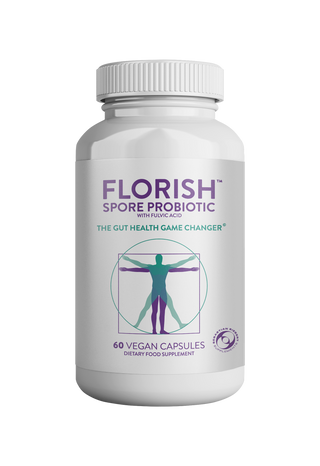
- Gut health: roughly 70% of your immune system lives in your gut. Quality probiotics and prebiotic-rich foods keep the headquarters healthy.
The herbs worth knowing
Echinacea: the first-responder
One of the most studied herbs in modern phytotherapy, used for centuries by Indigenous North Americans. Echinacea boosts white blood cell production — particularly natural killer cells and macrophages — keeping your immune response sharp. Research published in The Lancet Infectious Diseases found it can reduce cold risk by 58% and shorten colds by an average of 1.4 days. Look for Echinacea purpurea or E. angustifolia.
How to use: most effective at the very first sign of illness — tea, tincture or capsules, taken as directed on the label. Many people cycle it on and off through the season rather than using it continuously — ask us if you're not sure what's right for you.
Elderberry: the antiviral powerhouse
From the fruit of Sambucus nigra, exceptionally rich in anthocyanins — the antioxidants behind its deep purple colour. Elderberry appears to block viruses from entering and replicating in cells; studies suggest it can shorten flu symptoms by up to four days, and a 2019 meta-analysis in Complementary Therapies in Medicine found it substantially reduced upper respiratory symptoms.
How to use: syrup, tea, lozenge or capsule. A daily spoon of syrup through SA winter is the popular preventative; raise the dose at the first sniffle. Never eat raw elderberries — they cause nausea. Properly prepared products only.
Ginger: the anti-inflammatory healer
A cornerstone of Ayurveda and Traditional Chinese Medicine for millennia. Gingerol calms inflammation, settles nausea and indigestion, and shows antimicrobial activity. Research shows ginger stimulates T-cell production and macrophage activity, while its warming, thermogenic quality supports efficient immune function.
How to use: grate fresh ginger into hot water for tea, add to stir-fries and soups, or take capsules for a concentrated dose. Follow the dose on the label for immune support.
Turmeric: the golden immunomodulator
Curcumin, turmeric's active compound, has over 12,000 peer-reviewed studies behind it. It modulates T-cells, B-cells, macrophages, neutrophils and natural killer cells — stimulating or calming immunity depending on what your body needs, which makes it especially valuable for chronic inflammation and autoimmune tendencies. Bonus benefits for digestion, heart and brain.
How to use: the catch is absorption — curcumin is poorly absorbed alone. Always pair with black pepper (piperine boosts absorption by up to 2,000%) and a source of fat. Golden milk, curries, or a standardised supplement with piperine.
Astragalus: the long-game tonic
A 2,000-year staple of Traditional Chinese Medicine. Its polysaccharides, saponins and flavonoids increase white blood cell production and boost interferon — a protein crucial for antiviral defence.
How to use: this is the marathon herb, not the sprint — take it daily as a long-term tonic (capsule, tincture or tea), especially through seasonal transitions. Unlike echinacea, it's considered safe for ongoing daily use.
Olive leaf extract: the local hero
Particularly relevant for South Africans — olive trees thrive here, and the leaf extract contains oleuropein, a polyphenol with significant antiviral, antibacterial and antifungal activity. It interferes with viral replication while stimulating the immune system's phagocytic response — the process where immune cells engulf and destroy pathogens.
How to use: liquid or capsules; daily as prevention or higher doses during acute illness. One of the most versatile broad-spectrum herbal immune supports on the shelf.
Don't forget the vitamins and minerals
Herbs work best in a body that isn't running on empty. The key vitamins and minerals for immunity:
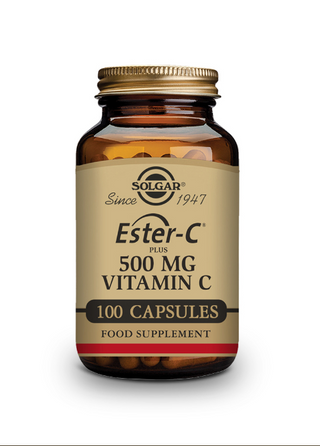
- Vitamin C: supports white blood cell production and function — from citrus, guavas, peppers, or supplementation.
- Vitamin D: activates immune defences. Despite our sunshine, many South Africans run low thanks to indoor lifestyles — supplementation is often needed, especially in winter.
- Zinc: required for immune cell development; deficiency is surprisingly common. Pumpkin seeds, legumes, nuts and red meat help.
- Selenium: supports antioxidant defence — Brazil nuts are the richest source (one or two a day is plenty).
Making it a daily habit
- Morning immune tonic: warm water, fresh lemon, grated ginger, a pinch of turmeric and a dash of black pepper. Two minutes, big payoff.
- Smoothie boosters: turmeric, ginger or superfood blends with fruit, greens and a healthy fat like avocado.
- Herbal teas: swap one coffee for echinacea, ginger — or rooibos, our own antioxidant-rich national treasure.
- Consistency: capsules and tinctures work when taken daily at the same time — anchor them to breakfast or dinner.
- Cook with them: turmeric in curries, ginger in stir-fries, garlic in everything. Culinary medicine is the easiest medicine.
- Build a winter kit: assemble your herbs, vitamin C, D and zinc before flu season — not during it.
Safety: the part we won't skip
- Check first if you're pregnant, breastfeeding, on prescription medication or managing a chronic condition — speak to your doctor or a qualified herbalist.
- Know the interactions: echinacea can interact with immunosuppressants; turmeric with blood thinners. This is exactly the kind of thing to ask us about.
- Start low with any new herb and watch how your body responds before going to full dose.
- Buy quality: GMP-certified brands, third-party testing, standardised extracts. A cheap herb that contains none of the active compound is the most expensive kind.
- Listen to your body: digestive upset, rash or headache means stop and reassess.
- Store properly: cool, dry, out of direct sunlight.
The honest bottom line
True immune health isn't one heroic supplement when you feel a scratchy throat — it's consistent foundations (sleep, food, movement, gut health) reinforced by the right herbs used the right way. Pick one or two from this list that match your pattern — first-sign responder or all-winter preventer — give them a full season, and judge by how many sick days you don't take.
And if you're constantly ill no matter what you take, that's worth investigating properly with your doctor rather than supplementing harder.
Want help building your winter immune kit, or checking a herb against your medication? WhatsApp us on 076 913 5059 or visit One Life Health at Centurion, Glen Village or Edenvale — we'll put together something that fits your family and your budget.
By One Life Health Consultant
From the apothecary shelf
A few products we'd hand a customer asking for a starting point. Not a paid placement — these are what we actually take, recommend, or keep at the front of the shelf.