


The Apothecary
Magnesium Supplements South Africa — Price, Benefits & Where to Buy | One Life Health
Magnesium is involved in over 300 processes in the body — from sleep and muscle recovery to energy production — yet most South Africans fall short of their daily intake.
Magnesium Supplements in South Africa — What to Buy and What to Expect to Pay
Magnesium is one of the most deficient minerals in the South African population. It's involved in over 300 enzymatic processes in the body — sleep, muscle function, blood pressure, energy production, and mood. Yet most South Africans aren't getting enough from food alone.
Not sure which one?
Get a quick product pick
Your match
Need a hand?
Find the right supplement faster
Browse the relevant range or ask our team for a quick recommendation.
Research published in the South African Journal of Clinical Nutrition has consistently highlighted that modern farming practices, processed diets, and high-stress lifestyles have created a widespread magnesium gap in our population. Some estimates suggest that up to 60–70% of South Africans may not be meeting their daily magnesium requirements through diet alone. The consequences range from subtle — persistent fatigue, poor sleep, irritability — to serious, including increased risk of cardiovascular disease, type 2 diabetes, and osteoporosis.
Here's a no-nonsense guide to magnesium supplements in South Africa: what the different types do, what they cost, and where to get them. Whether you're brand new to supplementation or looking to upgrade your current magnesium, this comprehensive guide will help you make a well-informed choice.
Why Is Magnesium So Important?
Before diving into supplement types and prices, it's worth understanding just how vital this mineral is. Magnesium plays a role in:
- Energy production — Magnesium is a cofactor in the conversion of food into ATP (adenosine triphosphate), the body's primary energy currency. Without adequate magnesium, you'll feel sluggish regardless of how well you eat.
- Nervous system regulation — It helps regulate neurotransmitters like GABA, which calms the nervous system. This is why magnesium deficiency is so closely linked to anxiety, restlessness, and insomnia.
- Muscle function and recovery — Magnesium governs muscle contraction and relaxation. Deficiency commonly manifests as cramps, twitches, and restless legs — particularly at night.
- Heart health — It supports healthy heart rhythm, helps regulate blood pressure, and plays a protective role against arterial calcification.
- Blood sugar regulation — Magnesium improves insulin sensitivity, making it particularly relevant in South Africa where type 2 diabetes rates are rising sharply.
- Bone health — Roughly 60% of the body's magnesium is stored in bones. It works alongside calcium and vitamin D to maintain bone density.
- Mood support — Magnesium plays a role in neurotransmitter regulation, and some research has linked adequate magnesium status to better mood outcomes — it isn't a substitute for prescribed treatment, but it's a reasonable nutrient to have in place alongside professional mental health care.
If you're interested in a broader approach to energy and vitality support, magnesium is almost always the foundation that practitioners recommend starting with.
Signs You Might Be Magnesium Deficient
Magnesium deficiency doesn't always announce itself dramatically. Many South Africans live with chronic low-grade deficiency for years without realising it. Here are the most common signs to watch for:
- Muscle cramps and spasms — especially in the calves, feet, or eyelids
- Difficulty falling or staying asleep
- Anxiety, irritability, or a constant feeling of being "wired"
- Persistent fatigue that doesn't improve with rest
- Headaches and migraines
- Constipation
- Heart palpitations or irregular heartbeat
- Sugar cravings — particularly for chocolate (which is itself a source of magnesium)
- PMS symptoms — cramping, mood swings, and bloating
- Brain fog and poor concentration
If you experience three or more of these symptoms regularly, magnesium supplementation is well worth considering. A serum magnesium blood test can be requested through your GP, though it's worth noting that serum levels only reflect about 1% of total body magnesium — an RBC (red blood cell) magnesium test is more accurate but less commonly offered.
Types of Magnesium and What They're Used For
Not all magnesium supplements are created equal. The mineral must be bound to a carrier molecule to be absorbed, and the type of carrier determines both how well it's absorbed and what specific benefits it offers. Here's a detailed breakdown:
- Magnesium Glycinate — Best for sleep and anxiety. Highly bioavailable, gentle on the stomach. Most popular. Glycinate is magnesium bound to glycine, an amino acid that itself has calming properties. This makes it the gold standard for anyone dealing with stress, poor sleep, or anxiety. It's well tolerated even at higher doses and rarely causes digestive upset. Typical price: R350–R480 for 60 capsules.
- Magnesium Citrate — Good for constipation and general supplementation. Slightly laxative at higher doses. Citrate offers reasonable absorption and is widely available, making it a solid all-rounder for those primarily seeking to correct a deficiency. It's particularly useful if you experience constipation as it gently promotes bowel motility. R150–R300 for 60 capsules.
- Magnesium Threonate — Crosses the blood-brain barrier. Best for cognitive support. This is the form backed by research from MIT for its unique ability to increase magnesium concentrations in the brain. It's the preferred choice for memory, focus, neuroprotection, and age-related cognitive decline. Premium price: R600–R950.
- Magnesium Malate — Energy support and fibromyalgia. Malic acid is involved in the Krebs cycle (energy production), making this form particularly suited for fatigue, chronic fatigue syndrome, and fibromyalgia pain. R200–R350 range.
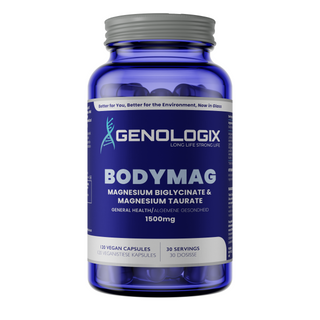
- Magnesium Taurate — An excellent choice for cardiovascular support. Taurine has its own heart-protective properties, and the combination is often recommended by integrative practitioners for blood pressure management and heart rhythm support.
- Magnesium L-Threonate — As mentioned above, this is the brain-specific form. If cognitive performance is your primary concern, this is worth the premium.
- Magnesium Oxide — Cheapest but poorest absorption (as low as 4%). Avoid if possible. While it delivers a high amount of elemental magnesium per capsule, your body simply cannot absorb most of it. It may have limited use as a stool softener, but for correcting deficiency or achieving therapeutic benefits, it falls well short.
For those struggling with sleep and relaxation, magnesium glycinate taken before bed is typically the first recommendation from nutritionists and integrative health practitioners.
Magnesium Supplement Prices in South Africa (2025)
Prices vary widely depending on the form, brand, quality of raw materials, and capsule count. Here's what to expect at a specialist health store in South Africa:
- Entry-level magnesium (citrate/oxide): R80–R200
- Quality magnesium glycinate (60 caps): R300–R480
- Premium magnesium glycinate (120 caps): R450–R700
- Magnesium threonate: R600–R950
- Combination formulas (glycinate + taurate or multi-form): R350–R600
Understanding Price vs. Value
It's tempting to reach for the cheapest magnesium on the shelf, but this is one supplement where quality genuinely matters. Here's what to consider when comparing prices:
- Elemental magnesium per capsule — A product may say "magnesium glycinate 500mg" on the label, but that's the weight of the entire compound. The actual elemental magnesium (the bit your body uses) might only be 100mg. Always check the "elemental magnesium" listed in the nutritional panel.
- Bioavailability — A R100 bottle of magnesium oxide with 4% absorption gives you far less usable magnesium than a R400 bottle of glycinate with 80%+ absorption. Per milligram of absorbed magnesium, the glycinate is often cheaper.
- Additives and fillers — Premium brands use fewer unnecessary fillers, binders, and flow agents. Look for clean formulations, especially if you have sensitivities.
- Third-party testing — Reputable brands invest in quality assurance and testing. This is reflected in the price but also in the reliability of what's actually in the capsule.
How Much Magnesium Should I Take?
The recommended dietary allowance for adults is 310–420mg per day. Most supplements provide 200–400mg elemental magnesium per serving. For sleep support, take magnesium glycinate 1 hour before bed. For general supplementation, take with food.
Dosage Guidelines by Goal
- General wellness and deficiency correction: 200–400mg elemental magnesium daily, taken with a meal
- Sleep support: 200–400mg magnesium glycinate, 30–60 minutes before bed
- Anxiety and stress: 300–400mg magnesium glycinate, split into two doses (morning and evening)
- Muscle cramps and recovery: 300–400mg magnesium glycinate or malate, taken post-exercise or before bed
- Cognitive support: 1,000–2,000mg magnesium threonate (providing approximately 144mg elemental magnesium), as per product instructions
- Constipation relief: 300–600mg magnesium citrate, taken before bed
- Cardiovascular support: 200–400mg magnesium taurate, taken with food
Practical Tips for Taking Magnesium
Getting the most from your magnesium supplement isn't just about choosing the right form — how and when you take it matters too:
- Start low and increase gradually. If you're new to magnesium, begin with 200mg and increase over a week or two. This minimises the chance of loose stools, particularly with citrate forms.
- Take it consistently. Magnesium stores take time to replenish. Most people notice meaningful improvements in sleep and muscle tension within 1–2 weeks, but full benefits may take 4–8 weeks of consistent use.
- Avoid taking with calcium. High-dose calcium can compete with magnesium for absorption. If you take both, separate them by at least 2 hours.
- Pair with vitamin B6. B6 enhances magnesium transport into cells. Many quality formulations already include it.
- Consider splitting your dose. If you're taking 400mg daily, splitting into two 200mg doses (morning and evening) can improve absorption and maintain steadier levels throughout the day.
For those who are also focused on managing stress and supporting mood, combining magnesium with adaptogenic herbs like ashwagandha or rhodiola can provide synergistic benefits.
Which Foods Are High in Magnesium?
While supplementation is often necessary to correct deficiency, building a magnesium-rich dietary foundation makes your supplement work harder. The best food sources include:
- Pumpkin seeds — 156mg per 30g serving (one of the richest food sources)
- Dark chocolate (70%+ cacao) — 65mg per 30g
- Almonds — 80mg per 30g
- Spinach (cooked) — 157mg per cup
- Black beans — 120mg per cup (cooked)
- Avocado — 58mg per medium avocado
- Bananas — 32mg per medium banana
- Cashews — 83mg per 30g
Many of these can be found in our superfoods collection, including raw cacao, nut butters, and seed mixes that make it easy to boost your daily intake naturally.
Magnesium for Athletes and Active South Africans
If you're physically active — whether you're a gym-goer, runner, cyclist, hiker, or weekend sports player — your magnesium needs are significantly higher than average. During exercise, magnesium is lost through sweat and used up rapidly in energy production and muscle contraction. Studies suggest that athletes may require 10–20% more magnesium than sedentary individuals.
Signs of exercise-related magnesium depletion include persistent muscle soreness that seems disproportionate to the workout, cramping during or after exercise, poor recovery, and a plateau in performance despite consistent training.
For active individuals, magnesium malate (for energy) or magnesium glycinate (for recovery and sleep) are the most commonly recommended forms. Many athletes take 400mg before bed to support overnight muscle repair and improve sleep quality — both critical for performance gains. Browse our sports nutrition range for magnesium products specifically suited to active lifestyles.
Magnesium and Women's Health
Women have particular reasons to pay attention to magnesium status. It plays a critical role in:
- PMS relief — Magnesium can reduce menstrual cramping, bloating, mood swings, and water retention. Studies show that 250–360mg of magnesium daily can meaningfully reduce PMS symptoms.
- Pregnancy — Magnesium needs increase during pregnancy, and adequate intake is part of supporting normal blood pressure and general wellbeing. Pregnancy isn't the place for self-directed supplementation — get your dose confirmed by your obstetrician or midwife.
- Perimenopause and menopause — Declining oestrogen levels affect magnesium metabolism. Supplementation can support bone density, mood stability, sleep quality, and cardiovascular health during this transition.
- Hormonal migraines — Some research has looked at magnesium alongside standard migraine care for people who experience menstrual migraines; talk to your doctor before adding it to a migraine management plan.
Common Mistakes When Buying Magnesium in South Africa
Having helped thousands of customers choose the right magnesium at our One Life Health stores, here are the most common mistakes we see:
- Buying magnesium oxide because it's cheapest. As discussed, the absorption is extremely poor. You'd need
From the apothecary shelf
A few products we'd hand a customer asking for a starting point. Not a paid placement — these are what we actually take, recommend, or keep at the front of the shelf.