
The Apothecary

Deep Dive into Boosting Your Immune System This Winter

Practical supplement guidance from One Life Health.

Fresh citrus fruits, leafy greens, and ginger arranged on a table representing winter immune support foods

Deep Dive into Boosting Your Immune System This Winter

Deep Dive into Boosting Your Immune System This Winter

Winter brings not only a drop in temperature but also an increased risk of colds and flu. Strengthening your immune system becomes crucial to navigate through these colder months healthily. In South Africa, winter typically stretches from June through August, and with it comes a predictable surge in respiratory infections, influenza, and general malaise. The good news is that your body's immune defences are remarkably responsive to lifestyle choices — from the foods you eat to how well you sleep and manage stress. This detailed guide will explore comprehensive strategies to boost your immunity, backed by scientific insights and nutritional advice, so you can stay healthy, energised, and resilient throughout the season.

1. Nutritional Immunology: Eating for Immune Strength

The immune system's foundation is heavily influenced by what we eat. Your body relies on a constant supply of nutrients to produce immune cells, generate antibodies, and maintain the mucosal barriers that serve as your first line of defence against pathogens. Foods rich in certain vitamins, minerals, and antioxidants are critical in supporting immune functions. A nutrient-poor diet, conversely, can leave your immune system weakened and sluggish — precisely what you don't want during peak cold and flu season.

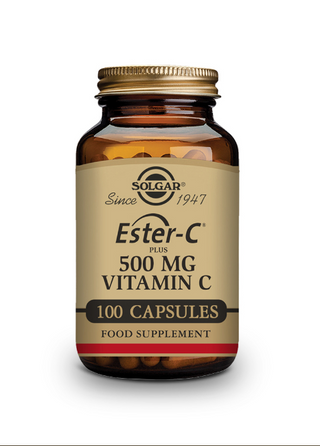
  • Vitamin C: A potent antioxidant, Vitamin C is essential for immune defense by supporting various cellular functions of both the innate and adaptive immune system. It stimulates the production and function of white blood cells, particularly neutrophils, lymphocytes, and phagocytes, while also acting as a powerful antioxidant that protects these cells from damage by harmful molecules such as free radicals. Foods rich in Vitamin C include citrus fruits, strawberries, bell peppers, guavas, and spinach. During winter, when fresh produce options may feel limited, a high-quality vitamin C supplement can help you meet your daily requirements — typically 65 to 90 milligrams per day for adults, though some research suggests higher doses during illness may be beneficial.
  • Vitamin D: Often lower in the winter due to decreased sunlight exposure, Vitamin D is pivotal for immune function. During South Africa's winter months, even though we enjoy more sunshine than many northern hemisphere countries, shorter days and the tendency to stay indoors mean our Vitamin D levels can drop significantly. A landmark study in the British Medical Journal (2017) highlighted that Vitamin D supplementation could help prevent acute respiratory infections, with the greatest benefits seen in individuals who were deficient to begin with. Rich dietary sources are fatty fish like salmon, sardines, and mackerel, as well as egg yolks and fortified foods. However, it's often difficult to obtain adequate Vitamin D from diet alone, so consider supplementation after consulting with a healthcare professional. Look for Vitamin D3 (cholecalciferol), which is the most bioavailable form.
  • Zinc: This mineral is crucial for maintaining immune cells' normal function and can reduce the duration of cold symptoms. Research published in The Open Respiratory Medicine Journal found that zinc lozenges taken within 24 hours of the onset of cold symptoms could reduce the duration of illness by up to 33%. Zinc is also essential for the development and communication of immune cells and plays a role in the inflammatory response. High zinc sources include meat, shellfish, legumes, pumpkin seeds, and chickpeas. For those who struggle to meet their daily zinc requirements through diet — particularly vegetarians and vegans — a quality supplement from our immune support range can bridge the gap effectively.
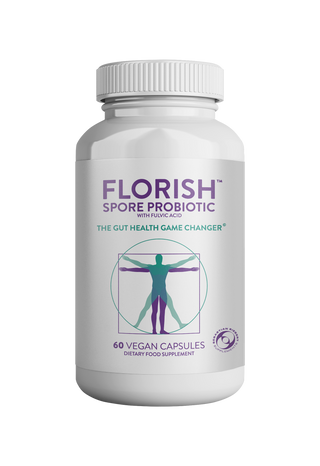
  • Probiotics: These beneficial bacteria have been shown to enhance immune responses. A review in the Journal of Science in Food and Agriculture noted that probiotics help in the development and function of the immune system. This connection makes sense when you consider that approximately 70% of your immune system resides in your gut. Probiotics support the gut-associated lymphoid tissue (GALT), which plays a central role in immune surveillance. Yoghurt, kefir, sauerkraut, kimchi, and kombucha are excellent probiotic foods. For a more targeted approach, especially during winter when your immune system needs extra support, explore our range of probiotic supplements that contain clinically studied strains such as Lactobacillus rhamnosus and Bifidobacterium lactis.
  • Superfoods for Immunity: Beyond the essential vitamins and minerals, certain superfoods have demonstrated remarkable immune-boosting properties. Elderberry, for instance, has been used for centuries as a traditional remedy for colds and flu, and modern research supports its efficacy — a 2019 meta-analysis found that elderberry supplementation substantially reduced upper respiratory symptoms. Medicinal mushrooms such as reishi, chaga, and lion's mane contain beta-glucans that modulate immune function. Turmeric, with its active compound curcumin, is a powerful anti-inflammatory that supports immune regulation. Garlic contains allicin, a compound shown to enhance the disease-fighting response of white blood cells. Browse our superfoods collection for convenient ways to incorporate these potent immune allies into your daily routine.

Building an Immune-Boosting Winter Meal Plan

Putting nutritional immunology into practice doesn't have to be complicated. Here's a simple framework for eating to support your immune system throughout the South African winter:

  • Breakfast: Warm oats topped with berries, seeds (pumpkin and sunflower for zinc and vitamin E), and a drizzle of raw honey. Pair with a probiotic-rich kefir smoothie.
  • Lunch: A hearty vegetable soup loaded with garlic, onions, sweet potato, butternut, and leafy greens. Add lentils or beans for extra zinc and protein.
  • Dinner: Grilled salmon or sardines (for vitamin D and omega-3 fatty acids) with roasted vegetables and a side of fermented vegetables like sauerkraut.
  • Snacks: Citrus fruits, raw nuts, dark chocolate (at least 70% cacao for its zinc and antioxidant content), and green tea with lemon.

2. Physical Activity and Immune Function

Exercise plays a vital role in promoting immune health. Regular, moderate exercise can boost the production of antibodies and T-cells, making the body quicker to respond to pathogens. A landmark study published in the Journal of Sport and Health Science (2019) confirmed that regular physical activity improves immune regulation, delays the onset of age-related immune dysfunction, and reduces the incidence of communicable diseases such as bacterial and viral infections.

The key word here is moderate. While consistent, moderate-intensity exercise enhances immune function, prolonged, high-intensity exercise without adequate recovery can temporarily suppress the immune system — a phenomenon sometimes called the "open window" theory. During winter, indoor activities like stationary cycling, yoga, Pilates, or free body weight exercises can be particularly beneficial. Even a brisk 30-minute walk in the winter sunshine can do wonders — you'll simultaneously boost your immune system and top up your Vitamin D levels.

Practical Exercise Tips for Winter Immune Support

  • Aim for consistency: 150 minutes of moderate-intensity activity per week (roughly 30 minutes, five days a week) is the widely recommended target.
  • Don't skip warm-ups: Cold muscles are more prone to injury. Spend 5-10 minutes warming up before any exercise session.
  • Try yoga or tai chi: These practices combine physical movement with stress reduction, offering dual immune benefits.
  • Stay hydrated: It's easy to forget about hydration in winter, but dehydration impairs immune function and reduces your body's ability to flush out toxins.
  • Support recovery: If you exercise regularly, ensure you're supporting your body with adequate nutrition and rest. Our sports nutrition range includes recovery supplements that help your body bounce back while keeping your immune system in peak condition.

3. The Role of Sleep in Immune Health

Sleep and immunity are closely linked. Poor sleep is linked to higher susceptibility to sickness. A widely cited study from the Archives of Internal Medicine found that individuals who slept fewer than seven hours per night were nearly three times more likely to develop a cold than those who slept eight hours or more. Adults should aim for 7-9 hours per night.

During sleep, your immune system releases proteins called cytokines, some of which help promote sleep itself. Certain cytokines need to increase when you have an infection, inflammation, or when you're under stress. Sleep deprivation may decrease the production of these protective cytokines. Additionally, infection-fighting antibodies and cells are reduced during periods when you don't get enough sleep.

Tips for Better Sleep During Winter

  • Maintain a consistent sleep schedule: Go to bed and wake up at the same time every day, even on weekends. This reinforces your circadian rhythm.
  • Create a restful environment: Keep your bedroom dark, quiet, and cool. While it's tempting to crank up the heating in winter, a slightly cooler room (around 18°C) actually promotes better sleep.
  • Limit screen time before bed: The blue light emitted by phones, tablets, and computers can interfere with melatonin production. Aim to switch off screens at least one hour before bedtime.
  • Consider natural sleep aids: Magnesium, valerian root, ashwagandha, and chamomile have all been shown to support restful sleep. Explore our sleep and relaxation collection for natural supplements that promote deep, restorative sleep without the grogginess associated with pharmaceutical sleep aids.
  • Avoid heavy meals and caffeine late in the day: Both can disrupt sleep quality and reduce the time spent in deep, immune-restoring sleep stages.

4. Stress Management: The Hidden Immune Suppressor

Chronic stress is one of the most significant yet underappreciated threats to immune function. When you're stressed, your body produces elevated levels of cortisol — the "stress hormone." While cortisol is helpful in short bursts (it's part of your fight-or-flight response), chronically elevated cortisol suppresses the immune system by reducing the number of lymphocytes (white blood cells) in your bloodstream and impairing their ability to function effectively.

Research from Carnegie Mellon University demonstrated that people under chronic stress are more susceptible to developing colds when exposed to viruses, and their symptoms tend to be more severe. During winter, when shorter days and reduced social activity can amplify feelings of isolation and low mood, managing stress becomes even more critical.

Evidence-Based Stress Reduction Strategies

  • Mindfulness meditation: Even 10-15 minutes daily has been shown to reduce cortisol levels and improve immune markers. Apps like Headspace or Insight Timer can guide beginners.
  • Deep breathing exercises: Box breathing (inhale for 4 counts, hold for 4, exhale for 4, hold for 4) activates the parasympathetic nervous system, counteracting the stress response.
  • Social connection: Maintaining meaningful relationships — even through phone calls or video chats — has been shown to buffer the immune-suppressing effects of stress.
  • Adaptogenic herbs: Adaptogens such as ashwagandha, rhodiola rosea, and holy basil help the body adapt to stress and maintain homeostasis. These powerful herbs have centuries of traditional use backed by modern research. Browse our herbal supplements range for adaptogenic formulations that can support your body's stress response throughout winter.
  • Spending time in nature: Even in winter, spending time outdoors — a practice the Japanese call shinrin-yoku (forest bathing) — has been shown to reduce cortisol levels, boost natural killer cell activity, and improve overall immune function.

5. Hydration and Immune Defence

Proper hydration is often overlooked during winter because we don't feel as thirsty as we do in the heat of a South African summer. However, hydration is essential for immune function. Water helps carry oxygen to your cells, which enables them to function properly, and it assists in the production of lymph, which carries white blood cells and other immune system cells throughout the body.

Dry winter air — both outdoors and in heated indoor environments — can dehydrate your mucous membranes, reducing their effectiveness as a barrier against viruses and bacteria. Aim for at least 6-8 glasses of water daily, and consider supplementing with warm herbal teas (rooibos, ginger, and echinacea are excellent choices), broths, and soups.

6. Hygiene Practices That Make a Difference

While building a strong immune system from within is essential, practical hygiene habits remain your frontline defence against winter infections:

  • Wash your hands frequently: Use soap and water for at least 20 seconds, especially before eating and after being in public spaces.
  • Avoid touching your face: Viruses commonly enter through the eyes, nose, and mouth.
  • Keep surfaces clean: Regularly disinfect frequently touched surfaces such as door handles, phones, and keyboards.
  • Ventilate indoor spaces: Stale indoor air can harbour pathogens. Open windows periodically to allow fresh air circulation, even if only for a few minutes.

7. Putting It All Together: Your Winter Immune Action Plan

Boosting your immune system isn't about any single magic bullet — it's about consistently making smart choices across multiple lifestyle pillars. Here's a simple daily checklist to keep your defences strong throughout winter:

  1. Eat the rainbow: Prioritise colourful fruits and vegetables, lean proteins, healthy fats, and fermented foods.
  2. Supplement wisely: Fill nutritional gaps with quality vitamin C, vitamin D, zinc, and probiotics.
  3. Move daily: Aim for at least 30 minutes of moderate exercise.
  4. Sleep well: Protect your 7-9 hours of quality sleep each night.
  5. Manage stress: Incorporate mindfulness, deep breathing, or adaptogenic herbs into your routine.
  6. Stay hydrated: Drink plenty of water, herbal teas, and warming broths.
  7. Practise good hygiene: Wash your hands, keep surfaces clean, and ventilate your spaces.

Final Thoughts

Your immune system is an incredibly sophisticated network of cells, tissues, and organs working tirelessly to protect you. By nourishing it with the right nutrients, supporting it through regular exercise and quality sleep, and shielding it from the damaging effects of chronic stress, you give yourself the best possible chance of sailing through winter without the misery of colds, flu, and other seasonal infections.

Remember, consistency is key. It's far more effective to make small, sustainable changes to your daily habits than to seek drastic interventions when illness strikes. Start today — your immune system will thank you.

At Onelife Health, we're committed to helping South Africans live their healthiest lives. Explore our full range of immune support products to find the supplements, superfoods, and natural remedies that will keep you and your family protected this winter and beyond.

Shop Immune Support R400 free delivery
Back to blog