


PHARMA GERMANIA
Dandelion Root 100g
Dandelion Root 100gWeekday orders by midday, dispatched same day · Delivery R75–R130, free from R400
Free collection at Centurion, Glen Village or Edenvale
All prices include VAT.
Add R280.23 more for free delivery
-

-
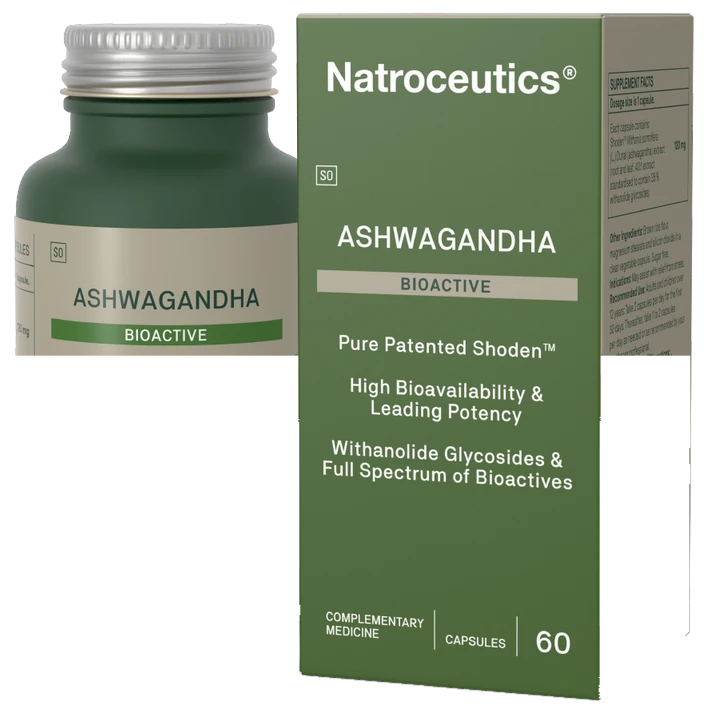 Vendor:NATROCEUTICS® SA
Ashwagandha Bioactive 60 Capsules
Regular price R 327.00Regular priceUnit price per -
 Vendor:SFERA BIO NUTRITION
Tongkat Ali 60 Capsules
Regular price R 371.24Regular priceUnit price per


Product notice & tag guide
Product tags are a shopping guide only. Always check the product label, ingredients and allergen information before purchase. If you are unsure whether this product is suitable, ask a One Life Health consultant or a qualified healthcare professional. Read our tag guide.
Couldn't load pickup availability


Common questions
What is dandelion root tea used for?+
Pharma Germania Dried Dandelion Root Cut makes a herbal tea traditionally used to help stimulate the appetite and aid digestion. It is brewed from the dried roots on your stovetop.
How do I brew dandelion root tea?+
Roots are made as a decoction: place the required quantity in 500ml of water, bring it to the boil on the stove, remove from the heat and let it steep for 15-20 minutes. Strain and drink it hot or cold, sweetened with honey if you like.
How much dandelion root do I use per cup?+
Usually between 1-2 teaspoons of the herb makes a cup of tea, and if you are working with a mixture of herbs, use a teaspoon of the mixture. The information leaflet inside every box gives more specific guidance.
What is the difference between an infusion and a decoction?+
Leaves, flowers and powders are made as an infusion — steeped in boiled water for 10-15 minutes — while roots, seeds and barks like dandelion root need to be boiled to release their compounds. That is why this tea is simmered on the stove rather than simply steeped.
Product details
Product images are for illustration. Manufacturers update their packaging from time to time, so the pack you receive may look a little different. Always read the label on the product itself.
Herbal tea made with Dried Dandelion Root Cut helps to stimulate your appetite and aids digestion. It can be brewed from dried roots on your stovetop.
MEDICINAL HERBS BY ACTIONS & TARGETS IN THE BODY
Aloe Ferox, Aniseed, Astragalus, Burdock, Catnip, Cayenne, Chickweed, Echinacea, Elder, Garlic, Lady’s Mantle, Lemongrass, Liquorice, Meadowsweet, Myrrh, Olive Leaf, Pau D’arco, Red Clover, Rosemary, Slippery Elm, Turmeric, Uva Ursi (Bearberry).
Astragalus, Birch, Burdock, Dandelion, Fennel, Garlic, Green Tea, Liquorice, Milk Thistle, Parsley, Pau D’arco, Rosemary, Turmeric.
Alfalfa, Aloe Ferox, Burdock, Cinnamon, Rosemary.
Alfalfa, Aloe Ferox, Billberry, Birch, Boldo, Buchu, Butcher’s Broom, Calendula (Marigold), Catnip, Chamomile, Devil’s Claw, Echinacea, Elder, Fenugreek, Feverfew, Flaxseed, Ginger, Juniper Berries, Lady’s Mantle, Liquorice, Meadowsweet, Mullein, Mustard Seed, Rosemary, Turmeric, White Willow Bark, Wild Yam, Witch Hazel.
Billberry, Burdock, Celery, Elder, Ginger, Ginkgo, Green Tea, Mate Tea, Milk Thistle, Olive Leaf, Rosemary, Turmeric.
Alfalfa, Dandelion, Elder, Garlic, Ginger, Liquorice, Mate Tea, Pau D’arco, Rosemary.
Alfalfa, Black Cohosh, Cayenne, Celery, Dandelion, Devil’s Claw, Feverfew, Flaxseed, Garlic, Ginger, Olive Leaf, Pau D’arco, Peppermint, Raspberry, Sarsaparilla, Scullcap, Stinging Nettle, St. John’s Wort, Wild Yam.
Astragalus, Billberry, Catnip, Celery, Chamomile, Chaste Tree, Devil’s Claw, Dong Quai, Eyebright, Fennel, Fenugreek, Feverfew, Ginger, Ginseng, Gotu Kola (Hydrocotyle), Hops, Lavender, Lemongrass, Liquorice, Marshmallow, Mate Tea, Motherwort, Oat Straw, Passionflower, Peppermint, Plantain, Rosemary, Sage, Sarsaparilla, Scullcap, Thyme, Valerian, Vervain, White Willow, Wormwood.
Aloe Ferox, Barberry, Billberry, Black Cohosh, Borage, Butcher’s Broom, Cayenne, Chickweed, Cinnamon, Devil’s Claw, Elder, Garlic, Gentian, Ginger, Ginkgo, Ginseng, Gotu Kola (Hydrocotyle), Green Tea, Hawthorn, Hops, Horse Chestnut, Hyssop, Liquorice, Motherwort, Olive Leaf, Parsley, Passionflower, Pau D’arco, Peppermint, Rosemary, Scullcap, Uva Ursi (Bearberry), Valerian.
Gastrointestinal or Digestive System
Alfalfa, Aloe Ferox, Aniseed, Billberry, Boldo, Buchu, Burdock, Catnip, Cayenne, Chamomile, Cinnamon, Cloves, Dandelion, Devils Claw, Fennel, Fenugreek, Flax, Garlic, Gentian, Ginger, Ginseng, Gotu Kola (Hydrocotyle), Green Tea, Juniper Berries, Lady’s Mantle, Lemongrass, Liquorice, Marshmallow, Mate Tea, Meadowsweet, Olive Leaf, Parsley, Peppermint, Plantain, Red Clover, Raspberry, Rosemary, Sage, Slippery Elm, Thyme, Turmeric, Uva Ursi (Bearberry), Valerian, Vervain, Wormwood.
Burdock, Cloves, Hops, Irish Moss, Lemongrass, Raspberry, Sage, Stinging Nettle, Vervain, White Willow Bark.
Astragalus, Burdock, Devil’s Claw, Echinacea, Eyebright, Elder, Garlic, Ginseng, Green Tea, Liquorice, Mate Tea, Milk Thistle, Myrrh, Red Clover, White Willow Bark.
Celery, Feverfew, Ginger, Hawthorn, Horse Chestnut, Lady’s Mantle, Liquorice, Meadowsweet, Scullcap, Uva Ursi (Bearberry), Valerian, Wild Yam.
- Menopause: Chaste Tree, Dandelion, Devils Claw, Liquorice, Motherwort, Sage, Wild Yam.
- Menstruation: Black Cohosh, Calendula (Marigold), Chamomile, Chaste Tree, Indian Cornbeard, Dong Quai, Feverfew, Liquorice, Motherwort, Raspberry, Rosemary, Sarsaparilla, Valerian, Wild Yam.
- Prostate: Buchu, Hydrangea, Juniper Berries, Liquorice, Milk Thistle, Parsley, Pumpkin seeds, Saw Palmetto, Uva Ursi (Bearberry)
- Sexual Function/Hormones: Alfalfa, Chaste Tree, Dong Quai, Gotu Kola (Hydrocotyle), Sarsaparilla, Saw Palmetto.
Aniseed, Astragalus, Catnip, Cayenne, Chickweed, Elder, Fennel, Fenugreek, Feverfew, Garlic, Ginkgo, Ginseng, Green Tea, Irish Moss, Juniper Berries, Liquorice.
Tea made from botanic material (leaves, seeds, flowers etc.) is called, herbal tea.
A herbal tea can be made from fresh or dried botanic material – be that leaves, flowers, seeds, or roots and is made by pouring boiling water over the material and letting it steep for a few minutes. This is called an infusion.
The seeds and roots normally require the mixture to be boiled to release the ingredients. The tea “infusion or tisane” is then strained, sweetened with honey if so desired, and served.
The material can be mashed to extract the compounds and oils. Quantities of the herb required to make a cup of tea is usually between 1 – 2 teaspoons. Please look at the information leaflets inside every box for more specific information.
Take the required quantity of herbs and place in one cup of boiled water. Steep for 10 - 15 minutes. Strain and drink hot or cold.
Take the required quantity of herbs and place in 500ml of water. Bring to the boil on the stove and remove from heat. Let it steep for 15 - 20 minutes. Strain and drink hot or cold.
If a mixture of two or more herbs have been made. Use a teaspoon of the mixture when making your tea.
Customer reviews
At our counters since 1996
- 30years of advice
- 3counters, free collection
- 250+trusted brands
- R400and over, delivered free