


The Apothecary
The Winter Vitamin Nobody in Joburg Thinks They Need
Why vitamin D can still run low in a Johannesburg winter, who should test, and the simple daily D3 habit we recommend.
"But we live in South Africa!" — the most common thing said at our counter when a customer's doctor has just told them their vitamin D is low. Sunny SA, low sunshine vitamin. It sounds wrong. It's also one of the most ordinary findings in the country every winter.
Not sure which one?
Get a quick product pick
Your match
Need a hand?
Find the right supplement faster
Browse the relevant range or ask our team for a quick recommendation.
How sunny SA runs short of the sunshine vitamin
Your skin makes vitamin D from a specific slice of sunlight — and in a Highveld winter, three things quietly cut you off from it. The winter sun sits low, and that slice of light weakens. The cold keeps you covered: long sleeves, closed shoes, ten brisk steps from the car to the office door. And those office hours mean the only generous sun of the day happens while you're under fluorescent lighting.
Track an ordinary winter weekday and the skin-on-direct-sun count is often close to zero. Repeat for ninety days of winter and stores genuinely run down — in Joburg as surely as in London, just for different reasons.
Why you should care (it's not just bones)
Vitamin D's old reputation is bones and calcium, and that part is true. But the reason we talk about it every winter is its role in immune function — your defence cells carry receptors for it and work better when it's available. It also turns up consistently in conversations about winter mood and energy: the flat, heavy, "I'm fine but I'm not" feeling that arrives with the short days. We'd never call a supplement a cure for that — but topping up a vitamin you're genuinely low on is the cheapest first move there is.
What we actually suggest
A daily vitamin D3 through winter — D3 specifically, the form your skin would have made. For most adults a steady daily 1,000 IU through June, July and August is a sensible maintenance floor; people who test properly low often need more for a while, which is a conversation for your doctor and a blood test, not a guess at our counter.
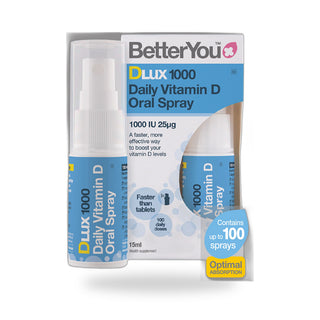
The habit matters more than the heroics, which is why we rate the oral spray: under the tongue, three seconds, no pill to swallow, lives next to your toothbrush. The best supplement is the one you actually take sixty days in a row. D is fat-soluble, so if you take capsules instead, take them with your biggest meal.
When NOT to bother
If you work outdoors, garden on weekends in short sleeves, or you're the parent on touchline duty every Saturday morning — your winter sun exposure may genuinely be fine, and we'll happily tell you to keep your R200. And vitamin D is the one supplement where more is not better long-term: don't stack three different high-dose D products on top of each other. If in doubt, bring us everything you take and we'll check the overlap for free.
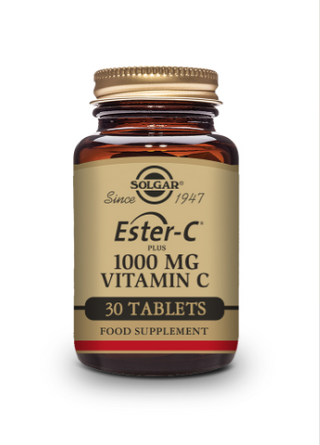
Winter defence is a team sport — D works alongside vitamin C and the rest of the Winter Immunity protocol, with STACK10 taking 10% off any basket of three or more items. Or WhatsApp a photo of your current vitamins and we'll tell you honestly whether you're already covered.
— the One Life Health consultants
Frequently asked questions
We live in sunny South Africa — how can my vitamin D be low?
The winter sun sits low so the slice of light your skin needs weakens, the cold keeps you covered, and office hours mean the best sun of the day happens while you are indoors. Track an ordinary winter weekday and the skin-on-direct-sun count is often close to zero.
How much vitamin D should I take in winter?
For most adults a steady 1,000 IU of D3 daily through June, July and August is a sensible maintenance floor. People who test properly low often need more for a while — that is a conversation for your doctor and a blood test, not a guess at our counter.
Spray or capsule?
Whichever you will actually take sixty days in a row. We rate the oral spray because it lives by your toothbrush and needs no swallowing. If you take capsules, take them with your biggest meal — vitamin D is fat-soluble.
References
- NIH Office of Dietary Supplements — Vitamin D fact sheet
- Examine.com — Vitamin D evidence summary
- NIH Office of Dietary Supplements — Vitamin C fact sheet
One Life shortcut: browse the One Life vitamin D range if you want the habit to be simple, or ask us before you double up on a product you already own.
PubMed review on vitamin D and immune function
Shop this at One Life Health
-
 BETTER YOU - D1000 Vitamin D Oral Spray 15ml — An under-the-tongue spray that lives by the toothbrush — the easy way to keep a winter D habit going.
 -
 METAGENICS - Vitamin D3 1000™ - 120 Tablets — A straightforward 1,000 IU D3 tablet to support immune function and help maintain normal bones through the cold months.
 -
 WILLOW - Vitamin D3 1000IU - 60 Capsules — A simple daily D3 capsule for maintenance — take it with your biggest meal, as D is fat-soluble.
 -
 NEOGENESIS HEALTH - Pure D3 + K2 1000IU + 100mcg - 60 Capsules — Pairs D3 with K2, which supports the way the body directs calcium — a tidy two-in-one.
 -
 METAGENICS - D3 Liquid - 20ml — A drop-based liquid D3 if you would rather not take a capsule at all.
Our top picks for this guide
A few products we'd hand a customer asking for a starting point. Not a paid placement — these are what we actually take, recommend, or keep at the front of the shelf.