

The Apothecary
The Vital Years: mobility is independence
Joints, heart, mind and a strong frame through the 60s and 70s — the counter's guide to staying fast.
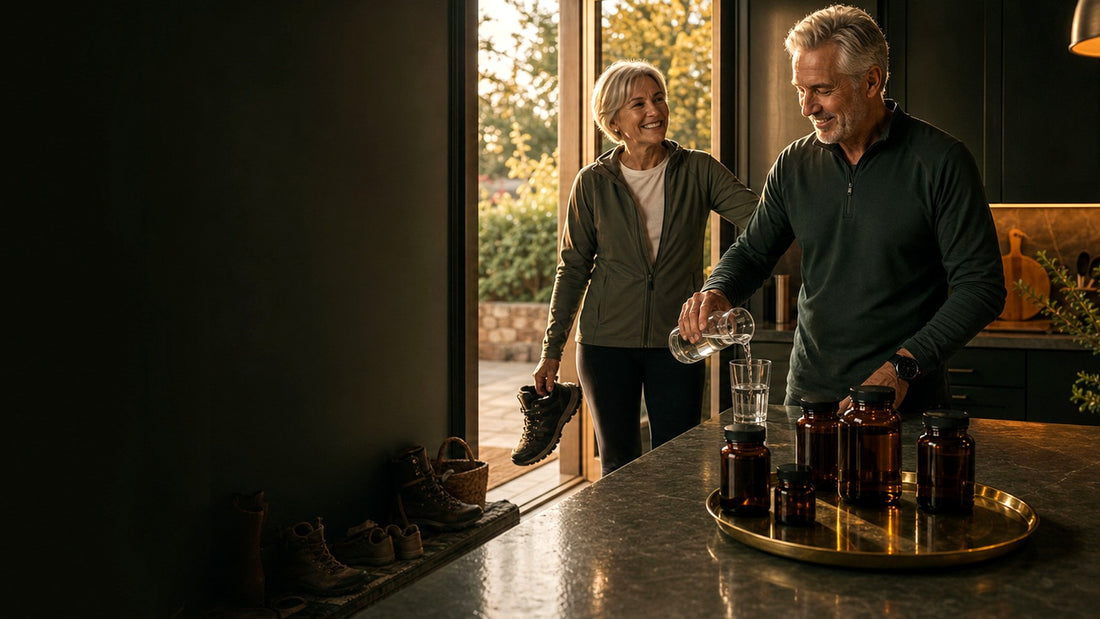
One of our favourite regulars at the Glen Village counter is a 68-year-old who walks the Walter Sisulu botanical gardens every Saturday, grandchild's hand in hers, and recently informed us she has no intention of ever walking it slower. She also told us her secret, which is not a secret at all: she treats staying mobile as a job she shows up for daily — the capsules with breakfast, the walk regardless of weather, the strength class on Tuesdays she claims to hate. That sentence-long philosophy is the entire vital years in miniature: mobility is independence. The sixties and seventies are not the slowing-down decades unless they are allowed to be — they are the decades where staying fast becomes a deliberate, daily project. This guide is that project's toolkit: three consultant-built rituals, for the moving parts, the mind and the frame.
Not sure which one?
Get a quick product pick
Your match
Need a hand?
Find the right supplement faster
Browse the relevant range or ask our team for a quick recommendation.
The decade of staying fast
What changes in these years is honest and manageable: joints have more mileage on them, the heart appreciates more support, recall takes a beat longer, and bone and muscle need active defending rather than passive owning. None of that is a verdict. Every one of those systems responds to support — nutritional, physical and social — and the people we watch thrive in this decade are the ones who support all three, unhurriedly and without fuss.
Joints, heart and brain: the daily foundation
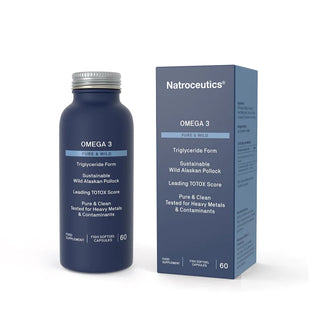
Our foundation ritual for the vital years covers the three systems that keep a Saturday walk possible. A dedicated joint-support formula keeps the moving parts moving — knees, hips, hands. CoQ10 supports the heart's own energy production, which matters more with every passing decade. And a concentrated omega-3 supports heart and brain together, the two-for-one that makes it the most recommended capsule at our counter for this age group. All three go in with breakfast — one moment in the day, easily kept, and a breakfast with some fat helps the omega-3 and CoQ10 do their absorbing.
Consultant-built ritual

Joint support to keep you moving, CoQ10 for the heart, and a concentrated omega-3 for heart and brain together — mobility is independence.
Always 10% under buying the pieces separately.
Keeping the mind in the conversation
Crosswords, grandkids' names, where the car keys went — the mind deserves the same deliberate support as the knees. Ginkgo drops, the classic herbal, support memory and healthy circulation. A fortified omega-3 helps maintain brain and heart health. And NMN — the longevity world's favourite, quietly popular with our silver-haired customers long before the podcasts arrived — supports cellular energy as the years add up. Pair the stack with the genuinely powerful stuff: conversation, reading, learning something new and mildly frustrating. A brain with appointments keeps them.
Consultant-built ritual

Ginkgo drops to support memory and circulation, a fortified omega-3 for brain and heart, and NMN to support cellular energy as the years add up.
Always 10% under buying the pieces separately.
A strong frame carries everything
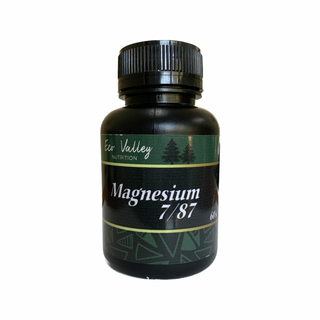
Bone is the quiet one — it neither aches nor complains while it thins, which is why it needs defending on principle. Pure collagen supports joints and connective tissue; a daily scoop in tea or coffee is the easiest habit on this page. Vitamin D3 paired with K2 is the thoughtful combination: the D3 supports calcium absorption and the K2 helps guide that calcium toward the bones where it belongs — with breakfast, alongside everything else. A dedicated bone formula completes the daily skeletal support. And the non-negotiable partner to all of it is resistance: muscles pulling on bone is the signal bone responds to, so carry the shopping, do the squats, lift the grandchild.
Consultant-built ritual

Pure collagen for joints and connective tissue, vitamin D3 with K2 to help calcium reach the bones, and a dedicated bone formula for daily skeletal support.
Always 10% under buying the pieces separately.
What to expect: the first week and the first months
Week one is about the routine settling — one breakfast moment, one evening scoop, nothing that feels like a programme. Joints answer slowly: give the joint and frame stacks six to twelve weeks before you judge, and judge them on real things — the stairs, the garden, getting up from the good chair. The mind stack is similarly a months-long story. Bone is the longest game of all; you will not feel it working, which is exactly why the habit and the check-ups matter more than the feeling. This decade rewards the patient contributor.
Who should skip this and ask first
This section is not fine print at this age; it is the headline. If you take warfarin or any blood thinner, ginkgo and concentrated omega-3 need your doctor's sign-off before the first capsule — that is non-negotiable, and our consultants will say so at the counter. Any operation on the calendar? The whole list goes to the surgical team beforehand. On chronic medication of any kind, bring the packets in and let us help you write the list for your doctor or pharmacist. Ten minutes of checking protects everything else this article hopes to build.
Questions we hear at the counter
I am on a blood thinner. Can I take any of this?
Parts of it, possibly — but that is precisely the conversation to have with your doctor first, particularly around the ginkgo and the omega-3. Bring your medicine list to the counter and we will help you prepare the question.
How long before my knees notice the joint support?
Six to twelve weeks of daily consistency is the honest window. Keep the capsules with breakfast, keep walking, and measure by the stairs and the garden rather than the calendar.
Is 78 too late to start?
It is never too late to support the systems you are still using — and we would rather you started gently at 78 than not at all. Read our Later Years guide as well; past the mid-seventies we deliberately shorten the list, and the medicines conversation comes first.
This article shares general wellness information in support language only. Supplements support and maintain good health; they do not diagnose, treat or cure any condition. Speak to your doctor or pharmacist before starting anything new, especially alongside chronic medication.
— the One Life Health consultants
Every journey is personal, and an article can only carry so much. If you would like a consultant to look at yours — what you take, what you are on, what you are hoping for — WhatsApp the counter on +27 12 345 3267 and a real person will answer.
From the apothecary shelf
A few products we'd hand a customer asking for a starting point. Not a paid placement — these are what we actually take, recommend, or keep at the front of the shelf.