


The Apothecary
MAXIMIZING YOUR GAINS WITH PROTEIN SUPPLEMENTATION
Protein supplementation can play a meaningful role in muscle recovery, lean mass development, and overall athletic performance — but navigating the options isn't always straightforward.
Maximising Your Gains with Protein Supplementation
Training hard but the muscle just isn't showing up? Sore for three days after every gym session? Staring at a wall of protein tubs wondering whether "isolate" is worth the extra R200? Let's sort it out properly.
Not sure which one?
Get a quick product pick
Your match
Need a hand?
Find the right supplement faster
Browse the relevant range or ask our team for a quick recommendation.
Here's our honest guide to protein supplementation: what actually works, how much you really need, when to take it — and the mistakes that quietly waste your money and your effort.
What we'd suggest (the short version)
- Hit your daily total first. For muscle gain, aim for 1.6–2.2g of protein per kg of body weight — timing is a bonus, the total is the job.
- Whey concentrate is the best value for most people. Pay extra for isolate only if lactose bothers you or you're cutting calories hard.
- Plant-based? Choose a blended formula (pea + rice) for a complete amino acid profile.
- 20–40g per serving is the sweet spot — more than that per sitting is mostly expensive.
- Spread protein across 4–5 meals instead of loading it all at dinner.
- Give a structured programme 8–12 weeks before judging results — and remember muscle is built on rest days, so eat protein then too.
Why protein matters (and why most of us fall short)
Protein is quite literally the foundation upon which your body builds, repairs and maintains every cell — from your muscles and bones to your skin, hair and immune system. It also helps manage appetite and supports leaner body composition.
The catch: getting enough from regular meals is genuinely hard, especially if you're trying to build muscle. Between busy South African schedules, rising food costs and the sheer volume of chicken breasts you'd need to eat daily, most lifters and athletes fall short of their targets. That's exactly the gap supplementation fills — whether you're an aspiring athlete, a weekend warrior tackling the Comrades, or just trying to look and feel stronger.
What is protein supplementation?
Simply: adding protein powders or other protein products to your diet to bridge the gap between what you eat and what your body needs to perform, recover and grow. Beyond classic powders, today's options include ready-to-drink shakes, protein bars, amino acid supplements, collagen peptides and protein-enriched snacks.
The main types, honestly compared
- Whey protein concentrate: the popular, affordable workhorse — 70-80% protein with a little lactose and fat. Fast-absorbing, ideal post-workout. Start here.
- Whey protein isolate: more refined — 90%+ protein, minimal lactose and fat. Worth it if you're lactose-sensitive or counting every calorie; otherwise concentrate does the job.
- Casein protein: the "slow-release" option, digested over several hours — perfect before bed for overnight muscle repair.
- Plant-based proteins: pea, rice, hemp and soy — ideal for vegans or dairy-sensitive lifters. Choose blends that combine sources for a complete amino acid profile.
- Collagen protein: not a complete muscle-building protein, but valuable for joints, skin and connective tissue — a smart add-on, not a replacement.
- Mass gainers: protein plus carbs and fats in one high-calorie scoop, built for people who genuinely struggle to gain weight.
Explore the full range in our sports nutrition collection — trusted brands for every goal and budget.
What protein supplementation actually does for you
Lean weight gain
For hardgainers, protein supplementation is a game-changer: a quality mass gainer or high-calorie shake adds 500–1,000 kilojoule-dense calories without forcing down enormous meals. Research in the Journal of the International Society of Sports Nutrition consistently shows 1.6–2.2g of protein per kg of body weight daily is optimal for muscle gain — for an 80kg person, that's 128–176g per day, a target far easier to hit with a shake or two. The goal is lean gain, not just gain: pair the calories with a structured resistance programme, and add nutrient density from our superfoods range.
Muscle building
Resistance training creates microscopic tears in muscle fibres; your body repairs them during recovery, and that's when muscle grows back stronger. The repair process depends entirely on available amino acids — which is where muscle protein synthesis (MPS) comes in. Studies show 20–40g of quality protein per serving maximally stimulates MPS, with the amino acid leucine (abundant in whey) acting as the primary trigger.
Evidence-based strategies:
- Distribute protein evenly: rather than loading most of it at dinner (the classic South African pattern), spread intake across 4–5 meals to keep MPS elevated all day.
- Prioritise post-workout nutrition: a protein-rich shake or meal within 1–2 hours of training.
- Don't neglect rest days: muscle grows during recovery, not during exercise — keep protein high on off days too.
Performance
Adequate protein supports more than size: it underpins the enzymes and hormones that regulate energy metabolism, oxygen transport and neuromuscular function. Branched-chain amino acids (BCAAs — leucine, isoleucine, valine), abundant in quality whey, reduce exercise-induced muscle damage, lower perceived exertion and help maintain focus through long sessions — meaningful gains if you're training for the Two Oceans or Ironman South Africa. For intense training blocks, our energy and vitality collection works well alongside your protein.
Recovery
Recovery is the most underrated part of any programme — skip it and you're breaking your body down without giving it the tools to rebuild, a fast track to overtraining, fatigue and injury. Protein supports recovery by:
- Reducing muscle soreness: adequate intake measurably reduces DOMS, letting you train more often and harder.
- Replenishing glycogen: combined with carbs, protein speeds up glycogen restoration for your next session.
- Supporting immunity: hard training temporarily suppresses the immune system; protein provides the building blocks for immune cells. During heavy blocks, our immunity collection helps keep you fighting fit.
- Calming inflammation: sources rich in glutamine and omega-3s help modulate the post-exercise inflammatory response.
Convenience
Between work, commutes and family, convenience isn't a luxury. A tub at home or in the gym bag means you always have a high-protein option. Some favourite uses:
- Morning smoothies: protein powder, frozen berries, banana, spinach, almond milk.
- Protein oats: a scoop stirred into morning oats keeps you full until lunch.
- Baking: pancake batter, muffins, energy balls.
- Post-workout shake: the classic — whey with water or milk straight after training.
- Before bed: a casein shake for slow-release overnight recovery.
How much protein do you actually need?
It depends on your weight, activity and goals. The evidence-based guidelines:
- Sedentary adults: 0.8g per kg of body weight per day
- Recreational exercisers: 1.0–1.2g per kg
- Endurance athletes: 1.2–1.4g per kg
- Strength and power athletes: 1.6–2.2g per kg
- During a cut: 2.0–2.4g per kg — higher intake preserves lean muscle while calories are restricted
Example: an 85kg lifter doing regular strength training should aim for roughly 136–187g daily. A typical South African diet provides 80–100g from whole food — so one or two shakes a day closes the gap.
Timing your protein for maximum results
- Pre-workout (1–2 hours before): a moderate serving ensures amino acids are available during training.
- Post-workout (within 1–2 hours): muscles are most nutrient-receptive — fast-digesting whey is ideal.
- Between meals: keeps muscle protein synthesis elevated through the day.
- Before bed: slow-digesting casein supports overnight recovery.
But remember the hierarchy: total daily intake first, timing second.
Mistakes that waste your money
- Living on shakes: supplements complement whole food, never replace it — chicken, fish, eggs, legumes and dairy bring nutrients no powder can.
- Obsessing over the anabolic window while missing the daily total: consistency across the day beats any single perfectly-timed shake.
- Buying on hype: look for transparent labels, third-party testing, and minimal fillers — not the loudest tub on the shelf.
- Forgetting water: higher protein intake raises your fluid needs — drink up to support your kidneys.
- Protein tunnel-vision: carbs, healthy fats and micronutrients still matter. A quality vitamins and minerals supplement rounds out the picture.
The bigger picture: gains need more than protein
- Sleep: growth hormone is released primarily during deep sleep — 7–9 hours is part of the programme.
- Stress: chronically high cortisol promotes muscle breakdown and fat storage, directly undoing your training.
- Gut health: if digestion is off, you're not absorbing the protein you're paying for.
- Consistency: the best protocol is the one you'll still be following in six months.
The honest bottom line
Protein supplementation is one of the most well-researched, genuinely effective tools for building muscle, performing better and recovering faster. Pick the right type for your body and budget, hit your daily number, train consistently — and give it 8–12 weeks before you judge the mirror.
Not sure whether you need a concentrate, an isolate or a mass gainer — or whether your stalled progress is a protein problem at all? WhatsApp us on 076 913 5059 or visit One Life Health at Centurion, Glen Village or Edenvale. Tell us your training and your goal, and we'll point you at the right tub the first time.
By One Life Health Consultant
From the apothecary shelf
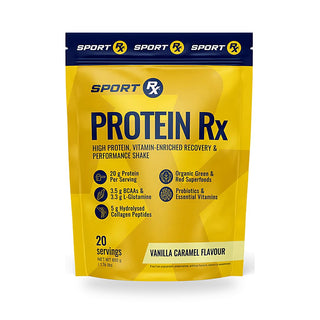
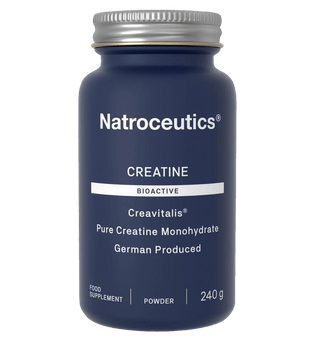
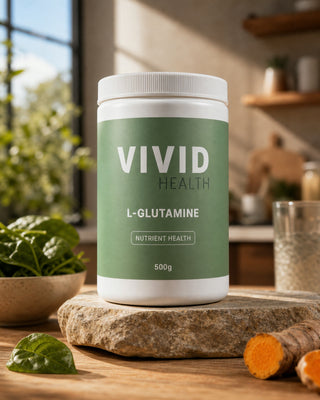
A few products we'd hand a customer asking for a starting point. Not a paid placement — these are what we actually take, recommend, or keep at the front of the shelf.