The Apothecary
Sleep and Cortisol Supplements in South Africa: What Actually Helps?
If you are tired but wired, lying in bed at 11pm with your heart rate refusing to slow down, you are not alone.
Sleep and Cortisol Supplements in South Africa: What Actually Helps?
*Reviewed by Precious, One Life Health Consultant — Updated May 2026*
Quick pick
Compare the top picks in this guide
Skim the products mentioned here, choose the best fit, and add it to cart without hunting through the article.
| Product | Price | Best for | Buy |
|---|
Not sure which one?
Get a quick product pick
Your match
Need a hand?
Find the right supplement faster
Browse the relevant range or ask our team for a quick recommendation.
If you are tired but wired, lying in bed at 11pm with your heart rate refusing to slow down, you are not alone. South Africans are sleeping worse than ever, and the supplement aisle has exploded with sleep-support, stress, and "cortisol balance" products. The honest answer is that no capsule is going to fix insomnia, anxiety, or burnout on its own. What good supplements *can* do is support the body's normal wind-down process when paired with realistic sleep habits.
The short version: For most healthy adults in South Africa, the three categories with the strongest evidence for general relaxation and sleep quality are magnesium (especially glycinate and other well-absorbed forms), ashwagandha (studied for perceived stress and sleep quality), and calming amino acids like L-theanine and glycine. Melatonin in SA is regulated and best discussed with a doctor. Anything chronic — ongoing insomnia, mood symptoms, thyroid, blood pressure, pregnancy, or under-18 use — belongs in a doctor's consulting room first, not a shopping basket.
Table of Contents
- Why "tired but wired" is so common
- What cortisol actually does (and what supplements can't do)
- Which one fits you? A quick decision guide
- The categories worth knowing
- Product comparison: what's on the One Life shelf
- Shopper's checklist before you tap "add to cart"
- How Precious talks shoppers through this on the floor
- When to skip the supplement aisle entirely
- Frequently asked questions
- Sources and further reading
Why "tired but wired" is so common
The "tired but wired" feeling — exhausted all day, then unable to switch off at night — usually comes down to a mismatch between your circadian rhythm and your stress response. Late screens, caffeine after lunch, irregular sleep times, alcohol in the evening, and chronic background stress all train the nervous system to stay in low-grade alert mode. The result is shallow sleep, 3am wake-ups, and waking up feeling like you never rested.
According to the Sleep Foundation, the average adult needs seven to nine hours of sleep, and consistent quality matters more than the occasional long lie-in. Supplements can sit alongside good sleep habits, but they cannot replace them.
What cortisol actually does (and what supplements can't do)
Cortisol is not the villain it's made out to be. It's a normal hormone that should peak in the morning to help you wake up and gradually drop through the evening so you can sleep. Problems usually arise when cortisol stays elevated at the wrong time — typically at night — because the nervous system never quite gets the "stand down" signal.
Important honesty: supplements do not "balance," "fix," or "reset" cortisol. No capsule does that. What some ingredients may do is help the body's normal relaxation and sleep-onset pathways — magnesium supports normal nervous system function, ashwagandha has been studied for perceived stress and sleep quality, and amino acids like L-theanine and glycine have been studied for promoting a calm, relaxed state. That is a meaningful supporting role, not a cure.
If your cortisol pattern feels genuinely off — early-morning anxiety, persistent fatigue, weight changes — speak to a doctor about proper testing. That is not a job for a supplement.
Which one fits you? A quick decision guide
Walk yourself through these in order. The first one that fits is usually the most useful starting point.
1. "I struggle to relax in the evening, my muscles feel tense, and I'm low on magnesium-rich foods." → Start with a well-absorbed magnesium (glycinate, malate, or a blend). Magnesium is the most boringly reliable place to start, especially if your diet is short on leafy greens, nuts, and legumes.
2. "My stress feels constant — work pressure, money, family — and I'm wired by 9pm." → Consider an ashwagandha (a botanical traditionally used to support resilience to stress), ideally a standardised extract. Give it 4–8 weeks of consistent use before judging the effect.
3. "I can fall asleep, but my mind races and won't switch off." → Look at L-theanine in the evening (an amino acid found in tea, studied for promoting a calm, relaxed state).
4. "I fall asleep fine but wake at 2–3am and can't get back." → This is often more about sleep habits, alcohol, and blood sugar than supplements. Glycine has some evidence for sleep quality and may be worth trying, but address the basics first.
5. "I want a one-product sleep formula." → Combination sleep-support products bundle several of these actives. They're convenient, but check the label for what's actually inside, and check whether any ingredient could clash with medication you take.
6. "I'm pregnant / on antidepressants / on thyroid or blood pressure medication / under 18 / dealing with chronic insomnia." → Please don't self-prescribe from this list. Speak to your doctor first.
The categories worth knowing
Magnesium
Magnesium plays a role in hundreds of processes in the body, including normal nervous system function and normal muscle function. South African diets often run low. Forms matter: glycinate, malate, taurate and citrate are generally better absorbed and gentler than oxide. The NIH Office of Dietary Supplements has a thorough fact sheet — worth a read if you want the proper detail. Check the label for active doses on whichever product you choose.
Ashwagandha (Withania somnifera)
A botanical with a long traditional use and a growing modern evidence base. It has been studied for perceived stress and sleep quality in healthy adults. Standardised extracts (like KSM-66 or Shoden, which several South African products use) are typically taken daily for several weeks before any effect is judged. Not recommended in pregnancy, with thyroid medication, or with sedatives unless a doctor has cleared it.
L-Theanine
An amino acid found naturally in green tea, studied for promoting a calm but alert state. Often used in the evening to take the edge off mental chatter. Generally well tolerated.
Glycine
An amino acid taken before bed in some studies, with research suggesting it may support subjective sleep quality. Less famous than magnesium or ashwagandha, but a quiet favourite among people who do their reading.
Combination sleep formulas
These pack several of the above (sometimes with herbs like passionflower, valerian, or chamomile) into one capsule. Convenient if you do not want to manage three bottles, but read the label carefully — ingredient interactions matter.
Melatonin — a note for South Africa
Melatonin is a regulated substance in South Africa. SAHPRA controls how it's sold and at what strength. If you think you need melatonin specifically (jet lag, shift work, circadian disorders), that's a conversation for a doctor rather than a retail decision.
Product comparison: what's on the One Life shelf
These are the live, in-stock options at One Life right now. Prices and stock change — the product pages are the source of truth.
| Product | Best for | Form | Price | Stock | Link |
|---|---|---|---|---|---|
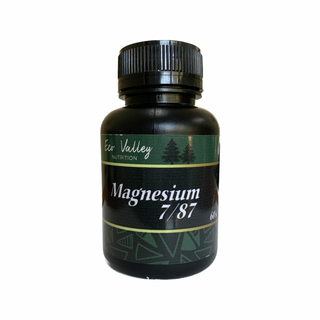
| ECO VALLEY NUTRITION — Magnesium 7/87, 60 caps | Everyday magnesium support, multiple forms in one | Capsule blend (check the label for active doses) | R219.95 | Healthy | View |
| THE REAL THING — Tri-Mag, 90 caps | Magnesium blend with a trusted SA brand | Three-form magnesium (check the label for active doses) | R301.88 | Moderate | View |
| NATROCEUTICS SA — Ashwagandha Bioactive, 60 caps | Daytime stress support, standardised extract | Bioactive ashwagandha extract (check the label for active doses) | R327.00 | Limited | View |
| BIOMAX — Bio-Shoden Ashwagandha, 60 caps | Shoden-extract ashwagandha for stress/sleep | Shoden standardised extract (check the label for active doses) | R346.00 | Low | View |
| WILLOW — L-Theanine 100mg, 60 caps | Mental wind-down in the evening | 100mg L-theanine per capsule | R333.00 | Low | View |
| WILLOW — Glycine, 60 caps | Subjective sleep quality support | Glycine capsules (check the label for active doses) | R137.00 | Low | View |
| DNA BIOPHARM — Sleep-Fast, 60 caps | One-product sleep formula | Combination formula (check the label for actives) | R239.02 | Moderate | View |
| GOOD HEALTH — Magnesium Sleep Support, 60 caps | Magnesium-led sleep blend | Magnesium-based blend (check the label for active doses) | R599.00 | Very low | View |
Precious's pick to start with if you have no idea where to begin: the Eco Valley Magnesium 7/87. It's the most affordable, stock is healthy, and magnesium is the broadest base to build on. If stress is the dominant feeling, the Natroceutics Ashwagandha Bioactive is the next step. If your problem is specifically a racing mind at night, Willow L-Theanine is the targeted option.
Shopper's checklist before you tap "add to cart"
- ✅ I know which symptom I'm targeting (relaxation, stress, sleep onset, sleep quality).
- ✅ I'm not pregnant, breastfeeding, or under 18 (if I am, I'll ask a doctor first).
- ✅ I'm not on antidepressants, anti-anxiety medication, blood pressure medication, thyroid medication, or sedatives (if I am, I'll ask a doctor first).
- ✅ I've checked the form of magnesium (glycinate/malate/citrate over oxide where possible).
- ✅ I've read the label for the actual active doses.
- ✅ I'm willing to give it 2–8 weeks of consistent use before judging.
- ✅ I'm also addressing the basics: consistent bedtime, no caffeine after midday, screens off earlier, alcohol moderated.
- ✅ I know this is *support*, not a cure.
How Precious talks shoppers through this on the floor
What surprises me most as a consultant at One Life is how many shoppers want a single capsule to fix months — sometimes years — of poor sleep. I always say the same thing: the supplement is the easy part. The harder part is the 10pm screen, the second glass of wine, the inconsistent weekend bedtime. Get those right and a R220 magnesium often does more than a R600 combination formula on its own.
The other pattern I see: people buying ashwagandha and giving up after a week. That is not how this category works. Ashwagandha is a slow-build; if you are not willing to take it daily for four to eight weeks, the money is better spent elsewhere.
And finally — please tell us what medication you're on before you buy. Sleep and stress supplements interact with more medication than people realise, especially anything affecting blood pressure, mood, or the thyroid.
When to skip the supplement aisle entirely
Please speak to a doctor or qualified healthcare professional rather than self-supplementing if you:
- have had insomnia for more than three weeks
- are pregnant or breastfeeding
- are under 18
- take antidepressants, anti-anxiety, antipsychotic, or sleep medication
- take blood pressure or heart medication
- have a thyroid condition
- experience early-morning anxiety, panic, or persistent low mood
- have unexplained fatigue, weight change, or hair loss alongside poor sleep
Supplements are a support layer for healthy adults. They are not a substitute for medical care.
Frequently asked questions
Is melatonin available without a prescription in South Africa? Melatonin is regulated by SAHPRA and access depends on dose and product. If you specifically need melatonin (jet lag, shift work, a circadian issue), please discuss it with a doctor rather than buying around the regulation.
How long until I feel anything from magnesium? Some people notice a calmer evening within a week or two; for others it's more subtle and gradual. Give it at least three to four weeks of consistent daily use.
Can I take magnesium and ashwagandha together? For most healthy adults, yes — they target different things. Still, check with a doctor if you are on medication, especially for blood pressure, thyroid, or mood.
Will ashwagandha make me drowsy during the day? For most people, no. It's typically used to support resilience to stress rather than to sedate. If you find it makes you sleepy, move the dose to the evening.
What's the difference between Shoden and KSM-66 ashwagandha? Both are standardised, well-studied extracts of ashwagandha root, just from different manufacturers, with slightly different standardisation profiles. Either is a reasonable choice; consistency of use matters more than the brand of extract.
Are combination sleep formulas better than single ingredients? Not automatically. They're more convenient, but you have less control over individual doses, and the more ingredients there are, the higher the chance one of them interacts with medication you take. Read the label.
Can supplements replace sleeping tablets? No. If you are on prescription sleep or anxiety medication, do not stop or replace it on your own — speak to the doctor who prescribed it.
I'm tired all the time even with eight hours of sleep. Is that a supplement problem? Probably not. Persistent fatigue despite adequate sleep deserves a proper medical workup — iron, thyroid, vitamin D, B12, sleep apnoea, and other causes are worth ruling out before reaching for a capsule.
Sources and further reading
- National Institutes of Health, Office of Dietary Supplements — Magnesium Fact Sheet for Health Professionals: https://ods.od.nih.gov/factsheets/Magnesium-HealthProfessional/
- National Center for Complementary and Integrative Health — Ashwagandha: Usefulness and Safety: https://www.nccih.nih.gov/health/ashwagandha
- Sleep Foundation — How Much Sleep Do You Need?: https://www.sleepfoundation.org/how-sleep-works/how-much-sleep-do-we-really-need
- PubMed (NIH) — L-Theanine and stress/sleep research overview: https://pubmed.ncbi.nlm.nih.gov/31412272/
- PubMed (NIH) — Glycine and subjective sleep quality: https://pubmed.ncbi.nlm.nih.gov/22529837/
- South African Health Products Regulatory Authority (SAHPRA): https://www.sahpra.org.za/
Related reading on One Life
- Magnesium in South Africa: which form should you actually buy?
- Ashwagandha buyer's guide for South African shoppers
- Building a realistic evening wind-down routine
From the apothecary shelf
Three products we'd hand a customer asking for a starting point. Not a paid placement — these are what we actually take, recommend, or keep at the front of the shelf.