The Apothecary
Best Women's Multivitamins in South Africa (2026 Guide)
Which women's multi is actually worth it? What's overdosed, what's missed, and how to read the back of the bottle without falling for marketing.
A good women's multi is rare. Most are over-dosed in cheap vitamins and under-dosed in the few that actually matter — iron, methylfolate, B12, magnesium, vitamin D. Here's what 30 years on the shop floor has taught us about which multis are worth the spend, what to skip, and where a multi can't substitute for the targeted stack you actually need.
Not sure which one?
Get a quick product pick
Your match
Need a hand?
Find the right supplement faster
Browse the relevant range or ask our team for a quick recommendation.
When a women's multivitamin makes sense
A multivitamin earns its place when it is filling predictable gaps, not when it is being used as a substitute for food, sleep or blood tests. That distinction matters. A decent multi can make life easier. It cannot fix a specific deficiency by wishful thinking.
A daily multivitamin often makes sense if you:
- skip meals or eat on the run more often than you would like
- follow a vegetarian or mostly plant-based diet and want broader nutrient coverage
- train hard, work long hours or feel better with a simple daily baseline
- want one sensible product before adding anything more targeted
- know you will stick to a simple routine if the product is easy to take
It may not be the main answer if the real issue is low iron, low vitamin D, menopausal symptoms or persistent fatigue. In those cases, a general multi can be too broad. If heavy periods, low ferritin, or tiredness are the main problem, start with our iron and energy guide for women in South Africa. If you are in perimenopause or menopause, our menopause supplements guide is the better companion read.
What actually matters on the label
The best women's multivitamin in South Africa is usually the one that gets the basics right without turning into a kitchen sink formula. Bigger is not automatically better. Fifty ingredients can still be underdosed, badly chosen or irrelevant to what you need.
Start with the foundations
Look for a sensible spread of the basics: B vitamins, folate, vitamin B12, vitamin D, zinc, selenium, magnesium and useful trace minerals. Those are the nutrients that tend to make the biggest difference to whether a formula feels well built or just busy.
Folate and vitamin B12 matter most when diet quality is inconsistent or animal protein intake is low. Vitamin D matters more than many women realise, especially if most of your day happens indoors. If vitamin D is a bigger concern than general coverage, read our guide to vitamin D in South Africa so you do not assume a token dose in a multivitamin is automatically enough.
Do not obsess over ingredient count
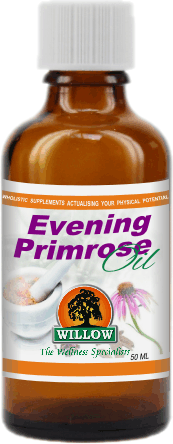
Some women-specific formulas add cranberry, evening primrose, antioxidants, CoQ10 or herbal extras. Those additions can be useful, but only if the core formula is already strong. If the basics are weak, the "special extras" are often just expensive decoration.
The same applies to beauty claims. If your real goal is skin, hair, nails or connective tissue support, a multi may help as a base, but it is rarely the whole answer. In that case, you will get more value from a proper look at our guide to the best collagen supplements in South Africa.
Iron is not automatic
Many women assume the best multivitamin must contain iron. Sometimes that is true. Often it is not. Iron can be useful when menstrual losses, low intake or confirmed low stores are part of the picture. But it should not be treated like a default tick-box just because the label says "women's".
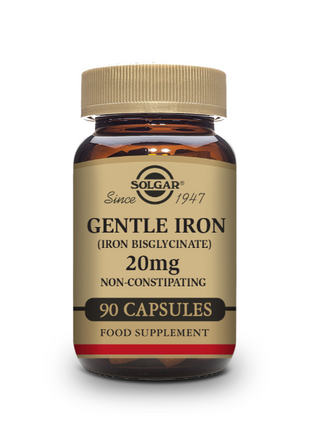
If iron is the main issue, test where possible and buy for that problem directly. A general multi with a little iron is not the same thing as a proper iron strategy.
Format matters more than people admit
Capsules, tablets, softgels and sprays are not just cosmetic differences. They affect whether you will actually take the product. The best daily supplement is the one you still remember to use three weeks from now.
What we take ourselves: a multi with methylfolate (not folic acid), methylcobalamin (not cyano-B12), 18 mg of bisglycinate iron, 2000 IU D3, and chelated magnesium. Most South African pharmacy multis miss two or three of those.
- Capsules: usually a good middle ground for broader formulas
- Tablets: often compact and cost-effective, but not everyone's favourite to swallow
- Softgels: often easier to take, especially when the formula includes oil-based extras
- Sprays: practical for women who hate pills or want the simplest possible routine
How to choose without wasting money
If you want to choose quickly and sensibly, work through this filter before you buy:
- Start with the real goal. Are you after broad coverage, a more women-specific blend or the easiest daily routine possible?
- Check how many servings per day it needs. A great formula that you never take properly is not a great formula.
- Read the key nutrients, not just the front label. B vitamins, folate, B12, vitamin D, zinc, selenium and magnesium deserve more attention than the marketing headline.
- Match it to your life stage. Pregnancy, perimenopause, menopause and high training loads change the conversation.
- Check overlap with what you already take. If you already use magnesium, vitamin D, collagen, greens powders or iron, the totals can pile up fast.
- Buy for adherence, not aspiration. The right routine is the one you will actually keep.
If your budget is tight, consistency beats premium positioning. A sensible product used daily will usually do more for you than a "premium" formula that irritates you, overwhelms you or sits unopened in the cupboard.
What we'd suggest: a multi covers the floor, not the targeted dose. If you're actively perimenopausal, iron-deficient, or supplementing for PCOS — the multi is the foundation, not the strategy.
Common buying mistakes
- Buying the story instead of the formula. "Complete", "advanced" and "premium" are not proof of anything.
- Using a general multi for a specific problem. Low iron, low vitamin D and menopause symptoms usually need a more direct answer.
- Ignoring overlap. A multi plus separate iron, magnesium, vitamin D, collagen and fortified drinks can become messy very quickly.
- Choosing a format you dislike. If you hate large tablets, stop pretending you are going to enjoy a large-tablet routine.
- Expecting instant results. A multivitamin supports the baseline. It is not a stimulant and it is not a shortcut.
Best options at One Life right now
There is no universal winner here, which is actually good news. It means you can buy for fit instead of hype.
NOW Eve Women's Multiple Vitamin - 90 Softgels
This is the most obviously women-focused option of the group. It combines core vitamins and minerals with extras like evening primrose, cranberry, green tea, horsetail silica and CoQ10. Best fit if: you want a women-specific formula with a bit more going on than bare-bones daily coverage and you are happy with a softgel format.
SOLAL Multivitamin 3 Per Day - 90 Capsules
SOLAL is the more serious, label-reader option. It gives you broad-spectrum coverage with solid nutrient forms, including methylfolate, methylcobalamin, magnesium, selenium, iodine and vitamin K2. Best fit if: you care about formula quality, do not mind a three-capsule routine and want a comprehensive daily baseline.
SOLGAR Omnium - 60 Tablets
Omnium is the loaded premium choice. It is broader, heavier and more "all-in" than the minimalist options. Best fit if: you want a premium all-rounder and do not mind paying more for a fuller formula.
BetterYou MultiVitamin Oral Spray 25ml
This is the convenience pick. It covers 14 essential vitamins and minerals, including vitamin D3, folic acid, iodine, selenium and B vitamins, in a spray format. Best fit if: you hate swallowing tablets or capsules and want the lowest-friction option in the category.
If you would rather compare by goal than by brand, browse One Life's women's health support collection to look at multivitamins alongside iron, menopause, bone and general wellness support products.
Safety and interactions to remember
Most women tolerate a sensible multivitamin well, but there are a few situations where you should slow down and read properly before buying.
- Pregnancy or trying to conceive: use a prenatal rather than freelancing with a standard women's multi
- Blood thinners: products containing vitamin K may need professional guidance
- Thyroid medication: iron, calcium and magnesium can interfere with absorption if timing is wrong
- Certain antibiotics and bone medications: minerals often need to be taken a few hours apart
- Multiple supplements at once: check totals before layering products on top of each other
If you are on chronic medication or managing an existing health condition, get proper advice before building a bigger stack.
Our top picks for this guide
Three products we'd hand a customer asking for a starting point. Not a paid placement — these are what we actually take, recommend, or keep at the front of the shelf.