

Best Probiotics in South Africa: How to Choose Without Guesswork (2026)
Best Probiotics in South Africa: How to Choose Without Guesswork (2026)
By Precious, One Life Health Consultant · Updated for South African shoppers, May 2026
Quick pick
Compare the top probiotic options
Skim the shortlist, choose the best fit, and add it to cart without hunting through the full guide.
| Product | Price | Best for | Buy |
|---|---|---|---|
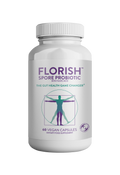 Florish Spore Probiotic with Fulvic Acid - 60 Capsules
Best overall
Florish Spore Probiotic with Fulvic Acid - 60 Capsules
Best overall
|
R 440.06 | Best overall gut support | |
 RAWBIOTICS - GUT CORRECT PROBIOTIC - 1L
Liquid
RAWBIOTICS - GUT CORRECT PROBIOTIC - 1L
Liquid
|
R 379.00 | Best liquid daily support | |
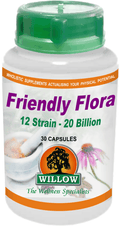 WILLOW - Friendly Flora 12st - 20bil - 30 Capsules
Multi-strain
WILLOW - Friendly Flora 12st - 20bil - 30 Capsules
Multi-strain
|
R 334.00 | Best multi-strain capsule | |
 CREDENCE PHARMA - FulviAct FulviFlora Probiotic - 10 Capsules
Budget
CREDENCE PHARMA - FulviAct FulviFlora Probiotic - 10 Capsules
Budget
|
R 86.25 | Best low-cost trial | |
 RAWBIOTICS - KIDS BALANCE PROBIOTIC - 1L
Kids
RAWBIOTICS - KIDS BALANCE PROBIOTIC - 1L
Kids
|
R 347.00 | Best for children |
Not sure which one?
Get a quick probiotic pick
Your match
The short answer
If you want a sensible everyday probiotic and you do not have a diagnosed condition, the most balanced shelf pick at One Life right now is the THE REAL THING Pro-Probiotic 30 Veg Capsules at R325.57 — a locally trusted multi-strain that survives our climate well. If your budget is tight, the NUTRILIFE Ultra 4 Probiotic 8 Billion 30 Capsules at R219.00 is the cheapest credible entry point. If you have just finished a course of antibiotics or you are heading to a destination where the water might not agree with you, the yeast-based NOW Saccharomyces Boulardii 60 Veg Capsules at R545.00 is the one most studied for those exact situations. Probiotics do not cure, treat or prevent any disease — speak to a doctor or qualified healthcare professional before adding one, especially in pregnancy, if you are immune-compromised, or if you are giving it to a child.
Table of contents
- Why probiotic choice is more confusing than it should be
- Strain, species and CFU explained in plain English
- Which probiotic fits you? A two-minute decision guide
- Prebiotics, postbiotics and synbiotics without the jargon
- Product comparison: what we actually stock
- A closer look at each option
- Shopper checklist before you add to cart
- Store-floor notes from Precious
- Safety, medication and life-stage notes
- FAQ
- Related reading from One Life
- References
Why probiotic choice is more confusing than it should be
"Probiotic" sounds like a single thing on the front of a box. It is not. The category covers dozens of species of bacteria and several yeasts, each with its own published research, its own dose ranges, and its own reasons to take it. A multi-strain blend designed for everyday gut balance is not the same product as a single-strain yeast for traveller's stomach, and neither of those is the same as a sachet designed for use during a course of antibiotics. The front of the box rarely makes that obvious.
The International Scientific Association for Probiotics and Prebiotics (ISAPP) defines a probiotic as a *live microorganism that, when administered in adequate amounts, confers a health benefit on the host*. Two words in that definition do the heavy lifting: live (so storage and expiry-date counts matter) and adequate amounts (so the CFU on the label needs to be the count at expiry, not at manufacture, and it needs to match the strain's published dose). The World Gastroenterology Organisation's global guideline goes a step further and lists the specific strains with credible evidence for specific outcomes. This guide is built around that same evidence-first lens.
Strain, species and CFU explained in plain English
Three short ideas do most of the work on these labels.
- Genus and species — for example *Lactobacillus rhamnosus*. This is the family the bacterium belongs to.
- Strain — the bit after the species, often a code like GG, GR-1 or HN001. Strain is what links a product to a specific published study. A different strain in the same species is, for practical purposes, a different product.
- CFU (colony-forming units) — how many live organisms are in a serving. Higher is not automatically better. A 10 billion CFU product on a well-studied strain is more useful than a 100 billion CFU product on strains nobody can identify.
A useful label-reading rule: if the back of the box does not list strains by their code, you are buying brand marketing, not researched microbiology.
Which probiotic fits you? A two-minute decision guide
- You want a daily multi-strain for general gut balance — start with THE REAL THING Pro-Probiotic at R325.57 or the more budget-friendly NUTRILIFE Ultra 4 Probiotic at R219.00.
- You want a practitioner-grade everyday formula — the METAGENICS UltraFlora Balance Probiotic 60 Capsules at R655.00 is the regular pick.
- You have just finished or are about to start a course of antibiotics — the yeast NOW Saccharomyces Boulardii at R545.00 is not killed by antibiotics and is the most-studied option for this window. The METAGENICS UltraFlora Acute Care at R745.00 is the practitioner alternative.
- You are travelling somewhere the water might not agree with you — *S. boulardii* again, started a few days before you fly. Speak to a doctor first if you are pregnant, immune-compromised or on chemotherapy.
- You want the most comprehensive multi-strain in the range — the METAGENICS UltraFlora Complete at R975.00 is the broadest formula on the shelf.
- You prefer a sachet you can stir into water — the PHYTOCEUTICS Ceregut Probiotic 10 Sachets at R276.00 is a convenient short-course format.
- You want to feed the bacteria you already have — start with the prebiotic NOW Inulin Prebiotic Pure Powder Organic 227g at R375.00 or simply add resistant-starch snacks like ADORE NATURE Green Banana Chips 80g at R36.26 to your week.
- Pregnant, breastfeeding, immune-compromised, on chemotherapy or buying for an under-2 — do not self-prescribe. Talk to a doctor or qualified healthcare professional first.
Prebiotics, postbiotics and synbiotics without the jargon
- Prebiotic — the *food* the good bacteria eat. Inulin, fructo-oligosaccharides (FOS) and resistant starch are the classics. Plant fibre is the everyday version.
- Probiotic — the *live organisms* themselves, in the dose the research used.
- Synbiotic — a deliberate combination of a prebiotic and a probiotic in one product.
- Postbiotic — the *useful compounds* bacteria produce after they have eaten, such as short-chain fatty acids. You do not "take" a postbiotic in the way you take a capsule; you build them by feeding your existing bacteria well.
The honest version: a varied, fibre-rich plate does more for your microbiome long term than any 30-day capsule course. Probiotics are a useful nudge, not a substitute for the rest of your diet.
Product comparison: what we actually stock
| Product | Form | Pack | Best for | Price |
|---|---|---|---|---|
| THE REAL THING Pro-Probiotic | Veg capsule | 30 | A locally trusted everyday multi-strain | R325.57 |
| NUTRILIFE Ultra 4 Probiotic 8 Billion | Capsule | 30 | The budget-friendly daily option | R219.00 |
| METAGENICS UltraFlora Balance | Capsule | 60 | A practitioner-grade daily multi-strain | R655.00 |
| METAGENICS UltraFlora Acute Care | Capsule | 30 | Short-course use around antibiotics or travel | R745.00 |
| METAGENICS UltraFlora Complete | Capsule | 30 | The broadest multi-strain formula on the shelf | R975.00 |
| NOW Saccharomyces Boulardii | Veg capsule | 60 | Antibiotic-window and traveller support (yeast) | R545.00 |
| PHYTOCEUTICS Ceregut Probiotic | Sachet | 10 | A short, water-mixable course | R276.00 |
| NOW Inulin Prebiotic Powder Organic 227g | Powder | 227 g | Feeding existing gut bacteria | R375.00 |
| ADORE NATURE Green Banana Chips 80g | Snack | 80 g | An everyday source of resistant starch | R36.26 |
Stock counts change daily. Check each product page before checkout — items with low inventory can sell out within a day, particularly the higher-end Metagenics lines.
A closer look at each option
THE REAL THING Pro-Probiotic 30 Veg Capsules (R325.57) — A long-running South African favourite. It sits in the middle of the range on price, uses a multi-strain blend, and is the bottle I most often recommend to shoppers who simply want a sensible everyday probiotic without the practitioner-grade price tag. Take it with food and store it as the label directs.
NUTRILIFE Ultra 4 Probiotic 8 Billion 30 Capsules (R219.00) — The most affordable credible probiotic in the comparison. Eight billion CFU per capsule across four strains is a reasonable everyday dose. A good first-time pick if you are testing whether a probiotic suits you before committing to a more expensive practitioner brand.
METAGENICS UltraFlora Balance 60 Capsules (R655.00) — A practitioner-line daily multi-strain that many dietitians and integrative doctors in South Africa already recommend. The 60-capsule pack works out to roughly two months at one a day, which softens the per-capsule cost.
METAGENICS UltraFlora Acute Care 30 Capsules (R745.00) — A short-course formula designed for the windows people most often ask about: an antibiotic course, a stretch of travel, or a digestive flare-up. Use it as the label and your healthcare provider direct, not as a permanent daily.
METAGENICS UltraFlora Complete 30 Capsules (R975.00) — The broadest multi-strain in the line and the most expensive product in this comparison. Worth it for shoppers who specifically want the wider range of strains in a single capsule and who already trust the Metagenics brand.
NOW Saccharomyces Boulardii 60 Veg Capsules (R545.00) — The category outlier in the best possible way. *S. boulardii* is a yeast, not a bacterium, which means it is not affected by the antibiotic in your system. That makes it the most-discussed option for the antibiotic window and for traveller's stomach. Do not use it without medical advice if you are immune-compromised, on chemotherapy, or have a central venous catheter.
PHYTOCEUTICS Ceregut Probiotic 10 Sachets (R276.00) — Convenient for shoppers who hate capsules or who want a clearly defined ten-day course. Stir into water as the box directs. The sachet format also travels well in hand luggage.
NOW Inulin Prebiotic Pure Powder Organic 227g (R375.00) — A pure prebiotic fibre, not a probiotic. Inulin feeds the bacteria you already have. Start with a quarter-teaspoon in water or yoghurt and build up slowly; going in at a full tablespoon on day one is the most common reason people report gas and bloating and decide prebiotics "do not agree" with them.
ADORE NATURE Green Banana Chips 80g (R36.26) — An everyday food source of resistant starch. Not a supplement at all, but worth including here because it costs less than a coffee and quietly does some of the work a prebiotic capsule is sold for. Treat it as a useful pantry add, not a replacement for a varied diet.
Shopper checklist before you add to cart
- Match the product to a goal first, strain second, brand last.
- Read the back of the box for strain codes (e.g. GG, HN001, GR-1), not just the front.
- Check that CFU is guaranteed until expiry, not "at time of manufacture".
- Confirm storage instructions match where you will keep it — some need refrigeration, most modern formulas do not.
- Check the best-before date is comfortably ahead of your finish date.
- Give a new probiotic 4–6 weeks of consistent use before judging it.
- If you are pregnant, breastfeeding, immune-compromised, on chemotherapy, or buying for a child, speak to a doctor or qualified healthcare professional first.
- If the product makes a specific disease claim on the front, treat that as a marketing red flag and read the fine print before paying.
Store-floor notes from Precious
Three patterns I see most weeks at One Life:
- Shoppers chase the highest CFU on the shelf. A well-matched strain at 10 billion CFU is consistently more useful than a 100 billion CFU bottle of unidentified strains. Read the strain codes.
- Probiotics get taken at the same time as antibiotics. Bacterial probiotics should be spaced at least two hours away from the antibiotic dose. *S. boulardii* is the exception because it is a yeast.
- People stop after a week. Most of the published research uses 4–8 weeks of consistent use. Give it the time it needs before deciding it has not worked.
I also encourage shoppers to think about the food side. Plain double-cream yoghurt with live cultures, amasi, sauerkraut, kimchi, sourdough, beans and lentils, oats and a wider variety of vegetables on the plate do more for the microbiome over a year than any capsule course does over a month.
Safety, medication and life-stage notes
This is general consumer information, not medical advice. Probiotics do not cure, treat or prevent any disease. Speak to a doctor or qualified healthcare professional if any of the following apply:
- You are pregnant, trying to conceive, or breastfeeding.
- You are buying for a baby, child or teenager.
- You are immune-compromised, on chemotherapy, on long-term steroids, post-transplant or have a central venous catheter — *S. boulardii* in particular needs medical clearance in these cases.
- You have inflammatory bowel disease, short bowel syndrome or another diagnosed gut condition.
- You are on antibiotics, antifungals or any prescription medication you are unsure about.
- You experience persistent diarrhoea, blood in your stool, unexplained weight loss, fever or severe abdominal pain — these need a clinical assessment, not a supplement.
Complementary medicines sold in South Africa are regulated by SAHPRA. Always buy from sources that stock notified or registered products and that store them properly.
FAQ
Do probiotics need to be refrigerated? Most modern shelf-stable probiotics in South Africa do not. Check the label — if it says refrigerate, refrigerate. If it does not, a cool, dry, dark cupboard away from the stove is fine. The local climate is forgiving of well-formulated capsules but not of bottles left in the car.
Can I take a probiotic at the same time as antibiotics? Yes, but space bacterial probiotics at least two hours away from the antibiotic dose. *S. boulardii* is a yeast and not affected by the antibiotic, which is why it is the most-discussed option for the antibiotic window. Your prescribing doctor is the right person to confirm what suits you.
How long should I take a probiotic before deciding it works? A reasonable trial is 4–8 weeks of consistent daily use. If you notice no change in that window, switch strain rather than dose, or stop and revisit with a healthcare provider.
Is more CFU always better? No. CFU is a quantity number; strain choice is a quality decision. Ten billion CFU of the right strain almost always outperforms a hundred billion CFU of unidentified strains.
Are food sources like amasi and yoghurt enough? They help. Amasi, kefir, live-culture yoghurt, sauerkraut and kimchi all add live cultures to your week, but the doses and strains vary batch to batch. Food and supplements are complements, not direct substitutes.
Can children take probiotics? Some products are formulated for children — see our companion guide to kids' vitamins in South Africa. For infants, and for any child with an ongoing health issue, your paediatrician decides, not the box.
Are probiotics safe in pregnancy? Many strains are considered safe during pregnancy, but this is exactly the situation in which you do not want general internet advice. Confirm with your obstetrician or midwife before starting anything new.
Why did my probiotic make me bloated in the first week? Mild bloating in the first one to two weeks is common as the gut adjusts. If it persists past two weeks, lower the dose, switch the strain, or stop and speak to a healthcare provider.
Related reading from One Life
- Sleep and Cortisol Supplements in South Africa
- Omega-3 and Inflammation Support in South Africa
- Best Vitamin D Supplements in South Africa
- Magnesium Glycinate vs Citrate vs Orotate
- Kids' Vitamins in South Africa
Health consultant review
Reviewed by Precious, Health Consultant at One Life Health, May 2026. This article is editorial guidance written for South African shoppers and is updated when product pricing, stock or label evidence changes.
Medical disclaimer
This article is general consumer information, not medical advice. Probiotics are not intended to diagnose, treat, cure or prevent any disease. If you have a diagnosed gut, immune, metabolic or other health condition, are pregnant or breastfeeding, are taking prescription medication, or are buying for a child, please speak to a doctor, registered dietitian or other qualified healthcare professional before starting a new supplement.
References
- Hill C, Guarner F, Reid G, et al. *Expert consensus document. The International Scientific Association for Probiotics and Prebiotics consensus statement on the scope and appropriate use of the term probiotic.* Nat Rev Gastroenterol Hepatol, 2014. <https://isappscience.org/for-scientists/resources/probiotics/>
- World Gastroenterology Organisation. *Global Guidelines: Probiotics and Prebiotics.* <https://www.worldgastroenterology.org/guidelines/probiotics-and-prebiotics/probiotics-and-prebiotics-english>
- National Institutes of Health, Office of Dietary Supplements. *Probiotics — Health Professional Fact Sheet.* <https://ods.od.nih.gov/factsheets/Probiotics-HealthProfessional/>
- Cochrane Library. *Cochrane Reviews on probiotic interventions for gastrointestinal conditions.* <https://www.cochranelibrary.com/>
- South African Health Products Regulatory Authority (SAHPRA). <https://www.sahpra.org.za/>