


The Apothecary
Herbal Supplements for Mood: What We'd Actually Suggest
Feeling flat or low on energy? Many South Africans are turning to traditional herbal supplements like vitamin B complex, ashwagandha, and other plant-based options to support a more balanced mood.
Reviewed by One Life Health Consultant — Updated July 2026
Not sure which one?
Get a quick product pick
Your match
Need a hand?
Find the right supplement faster
Browse the relevant range or ask our team for a quick recommendation.
Wired-but-tired, foggy in the afternoons, snapping at the kids over small things? You're not broken — you're a South African in the middle of a demanding life. Long commutes, work pressure, money stress, and the daily admin of just keeping things running all take a real toll on mood and energy.
Here's the honest consultant's view: no herb fixes a life that needs fixing, and nothing here replaces professional help when it's genuinely needed. But there is a well-researched set of botanicals and nutrients that can meaningfully support a calmer, steadier mood and better energy — many used safely for generations, from Ayurvedic medicine to traditional African herbalism. Here's what we'd actually take, what we'd skip, and when the problem isn't a supplement problem.
What we'd suggest
- Start with the boring basics: a quality B-complex in the morning and magnesium glycinate in the evening, following the dose on the label. Cheap, safe, and the most common gaps we see.
- If stress is the main villain: ashwagandha — a standardised extract, taken daily at the dose on the label. Give it 4–6 weeks.
- If fatigue and burnout dominate: rhodiola, taken in the morning.
- What we'd skip: taking five mood herbs at once, and St John's Wort if you're on contraceptives, blood thinners or antidepressants — it interacts with all of them.
- When it's not a supplement problem: low mood lasting more than two weeks deserves a professional, not a bottle. More on that at the end.
Vitamin B Complex: Energise From Within
For a natural energy boost, look no further than the Vitamin B complex — a group of eight water-soluble vitamins that play a role in converting food into energy. From B1 (thiamine) to B12 (cobalamin), these vitamins support energy levels and a positive mood by supporting normal neurotransmitter production. By nourishing your body with these vitamins, you can support a more balanced, vibrant day.
How each B vitamin supports your mood
- Vitamin B1 (Thiamine): Involved in glucose metabolism, which fuels your brain. Low levels can show up as irritability, poor concentration and fatigue.
- Vitamin B3 (Niacin): Plays a role in the production of serotonin, a neurotransmitter linked to mood.
- Vitamin B5 (Pantothenic Acid): Sometimes called the "anti-stress vitamin," it supports the adrenal glands and the body's normal stress response.
- Vitamin B6 (Pyridoxine): Involved in producing dopamine, serotonin and GABA — neurotransmitters that play a role in mood, motivation and relaxation.
- Vitamin B9 (Folate): Research has linked low folate levels with a higher risk of low mood. Folate works alongside B12 to support methylation, a process important for brain health.
- Vitamin B12 (Cobalamin): Essential for red blood cell formation, nerve function and DNA synthesis. Deficiency is common, particularly among vegetarians, vegans and older adults, and can show up as fatigue, brain fog and low mood.
Practical tips for B vitamin supplementation
Because B vitamins are water-soluble, your body doesn't store them well, so a consistent daily intake matters. Taking a B complex with breakfast is a good habit, since these vitamins support energy production and can interfere with sleep if taken too late. Look for a formula that includes methylated forms of B12 (methylcobalamin) and folate (methylfolate) — these tend to be easier for the body to use.
Explore our full range of vitamins and minerals to find the right B complex for your needs.
Ashwagandha and Rhodiola: The Stress-Busting Duo
Stress takes a real toll on mood and energy. Ashwagandha and Rhodiola are two adaptogenic herbs traditionally used to support the body's response to stress. Ashwagandha is generally associated with supporting normal cortisol levels — cortisol being the body's main stress hormone — which may support a calmer state of mind and steadier energy. Rhodiola is traditionally used to support physical endurance and a balanced mood during demanding periods. Together, they're a sensible pairing for stress support.
Ashwagandha: the ancient root of resilience
Ashwagandha (Withania somnifera) has been used in Ayurvedic medicine for thousands of years. Its name refers to both its distinctive smell and its traditional reputation for supporting strength and vitality.
Research suggests ashwagandha may support healthy cortisol levels, though results vary between studies and individuals. It has also been studied for its potential to:
- Support a calmer response to everyday stress
- Support more restful sleep — itself an important factor in mood
- Support normal cognitive function and memory
- Support healthy thyroid function, which plays a role in energy and mood
- Support the body's normal inflammatory response
For a quality product, look for ashwagandha supplements standardised to contain withanolides — the primary active compounds — and follow the dose on the label, taken with meals.
Rhodiola: nature's anti-fatigue herb
Rhodiola rosea, also known as "golden root" or "Arctic root," grows in the cold climates of Scandinavia, Siberia and mountainous regions of Europe and Asia. This resilience mirrors the herb's traditional use in helping people adapt to physical and mental stress.
Rhodiola is thought to work by supporting the body's normal stress-hormone response while supporting the activity of neurotransmitters like dopamine and serotonin. This may help you feel more alert and steady without the jitteriness that can come with stimulants like caffeine.
Rhodiola has been studied for its potential to ease mental fatigue during stressful periods, support exercise performance, and support recovery from burnout, with a generally favourable safety profile in the research to date.
Browse our curated selection of stress and mood support supplements to find quality ashwagandha and rhodiola products.
St John's Wort: The Sunshine Herb
No discussion of mood-supporting herbal supplements is complete without mentioning St John's Wort (Hypericum perforatum). This bright yellow flowering plant has been used since ancient times and is one of the more extensively researched mood-supporting herbs available.
St John's Wort contains compounds including hypericin and hyperforin, which are thought to influence the reuptake of serotonin, dopamine and noradrenaline in a way that may support a more settled, balanced mood. It should never be treated as a substitute for, or alternative to, a prescribed antidepressant medication — if you are managing diagnosed depression or anxiety, that stays a conversation with your doctor, not a swap for a supplement.
Important considerations
St John's Wort is generally well-tolerated on its own, but it interacts with a long list of medications, including oral contraceptives, blood thinners, certain HIV medications and other antidepressants — sometimes seriously. Always consult your doctor or pharmacist before starting St John's Wort, particularly if you take any prescription medication, and follow the dose on the label. It can take 4–6 weeks of consistent use before you notice any change.
Magnesium: The Forgotten Mood Mineral
Often overlooked in mood conversations, magnesium is involved in hundreds of processes in the body, many of which affect brain function and mood regulation. Many South Africans don't get enough magnesium from diet alone.
Magnesium supports mood through a few pathways:
- GABA regulation: Magnesium helps support GABA receptor activity, which is associated with a sense of calm.
- Cortisol modulation: Adequate magnesium is thought to help support a more balanced stress-hormone response.
- Serotonin production: Magnesium is a cofactor in converting tryptophan to serotonin, so it plays a supporting role in healthy serotonin levels.
- Inflammation support: Low magnesium has been associated with higher inflammatory markers, which researchers continue to study in relation to mood.
For mood support, magnesium glycinate and magnesium threonate are well-regarded, highly bioavailable forms. Follow the label for dose — many people find taking it in the evening also supports better sleep, another important factor in mood.
Saffron: A Golden Spice with Mood Support Potential
Saffron (Crocus sativus) is best known as the world's most expensive spice, and it also has a body of research behind its use as a mood-supporting supplement — it is not, and should never be presented as, a substitute for or equivalent to prescribed antidepressant medication. If you are managing diagnosed depression, that remains a conversation for your doctor.
The active compounds in saffron — crocin and safranal — are thought to work by supporting normal serotonin activity, supporting the body's response to oxidative stress, and generally contributing to a steadier mood. Follow the dose on the label of whichever saffron product you choose.
Omega-3 Fatty Acids: Essential Fats for Brain Health
While not a herbal supplement, omega-3 fatty acids deserve a mention in any guide to mood support. The brain is largely fat, and omega-3s — particularly EPA and DHA — are structural components of brain cell membranes. Research generally links higher omega-3 intake with better mood outcomes across populations.
EPA (eicosapentaenoic acid) appears to matter most for mood, with some research suggesting supplements higher in EPA relative to DHA may be more useful for this purpose. Follow the label dose on your fish oil or algae-based supplement (a sensible choice if you eat plant-based).
Creating Your Personalised Mood-Support Routine
With so many options, it can feel overwhelming to know where to start. Here's a practical, step-by-step approach:
Step 1: Establish your foundation
Begin with the basics — a quality B complex and magnesium. These address the most common nutritional gaps linked to low mood and give your brain the building blocks it needs.
Step 2: Address stress
If stress is a significant factor in your life (and for most South Africans, it is), add an adaptogenic herb like ashwagandha or rhodiola. These work best taken consistently over several weeks, so be patient. Our herbal supplements collection has a range of adaptogenic formulas.
Step 3: Target specific symptoms
Based on your own experience, you may want more targeted support. If low mood is your main concern, consider St John's Wort or saffron (with the doctor conversation above front of mind if you're on medication or managing a diagnosis). If fatigue is the main issue, rhodiola or a dedicated energy and vitality supplement may suit better. For anxiety and poor sleep, look at calming herbs and magnesium in our sleep and relaxation range.
Step 4: Support with lifestyle changes
No supplement replaces the mood benefits of a healthy lifestyle. Pair supplementation with:
- Regular exercise: Even 30 minutes of moderate walking can support endorphin and serotonin activity.
- Sunlight exposure: Aim for 15–20 minutes of morning sunlight to support your circadian rhythm and vitamin D — one genuine advantage of living in South Africa.
- Quality sleep: Prioritise 7–9 hours a night. Poor sleep is both a cause and a consequence of low mood.
- Whole foods diet: Focus on leafy greens, fatty fish, nuts, seeds and fermented foods that support gut health — the gut plays a meaningful role in serotonin production.
- Social connection: Meaningful relationships and community are among the strongest supports for emotional wellbeing.
- Mindfulness practices: Meditation, deep breathing and journaling can help regulate your nervous system.
Safety and Quality Considerations
- Choose standardised extracts: These guarantee a consistent level of active compounds in every dose.
- Look for third-party testing: Reputable brands test their products independently for purity and potency.
- Start low, go slow: Begin with the label's lowest suggested dose and adjust from there.
- Be patient: Most herbal supplements take 2–6 weeks to show their full effect. Consistency matters more than switching products.
- Consult a healthcare professional: Especially important if you are pregnant, breastfeeding, on medication, or managing a diagnosed mental health condition. Natural doesn't always mean free of interactions or side effects.
When It's Not a Supplement Problem
This is the part we'll always be honest about. While herbal supplements can be a valuable part of your mood-support toolkit, some things need more than a bottle. If you experience persistent low mood lasting more than two weeks, loss of interest in activities you once enjoyed, significant changes in appetite or sleep, feelings of hopelessness or worthlessness, or any thoughts of harming yourself — please speak to your GP or a mental health professional. In South Africa, the SADAG Mental Health Line is available 24/7 on 0800 567 567, and it's free.
Supplements can support recovery alongside professional care, but they should never delay it. Asking for help isn't weakness — it's the most practical health decision there is.
Need a hand choosing?
Pop into One Life Health in Centurion, Glen Village or Edenvale and tell us how you've been feeling, or WhatsApp us on 076 913 5059. We'll help you build a simple, sensible mood-support routine — usually two or three things, not ten — and we'll tell you honestly when something isn't worth your money.
By the One Life Health consultants
From the apothecary shelf
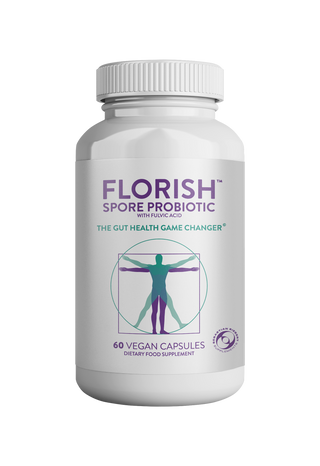
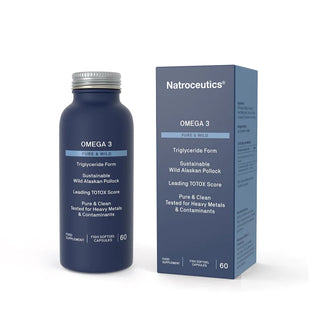
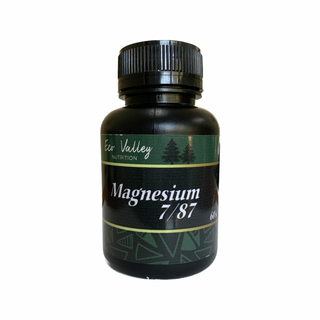
A few products we'd hand a customer asking for a starting point. Not a paid placement — these are what we actually take, recommend, or keep at the front of the shelf.