
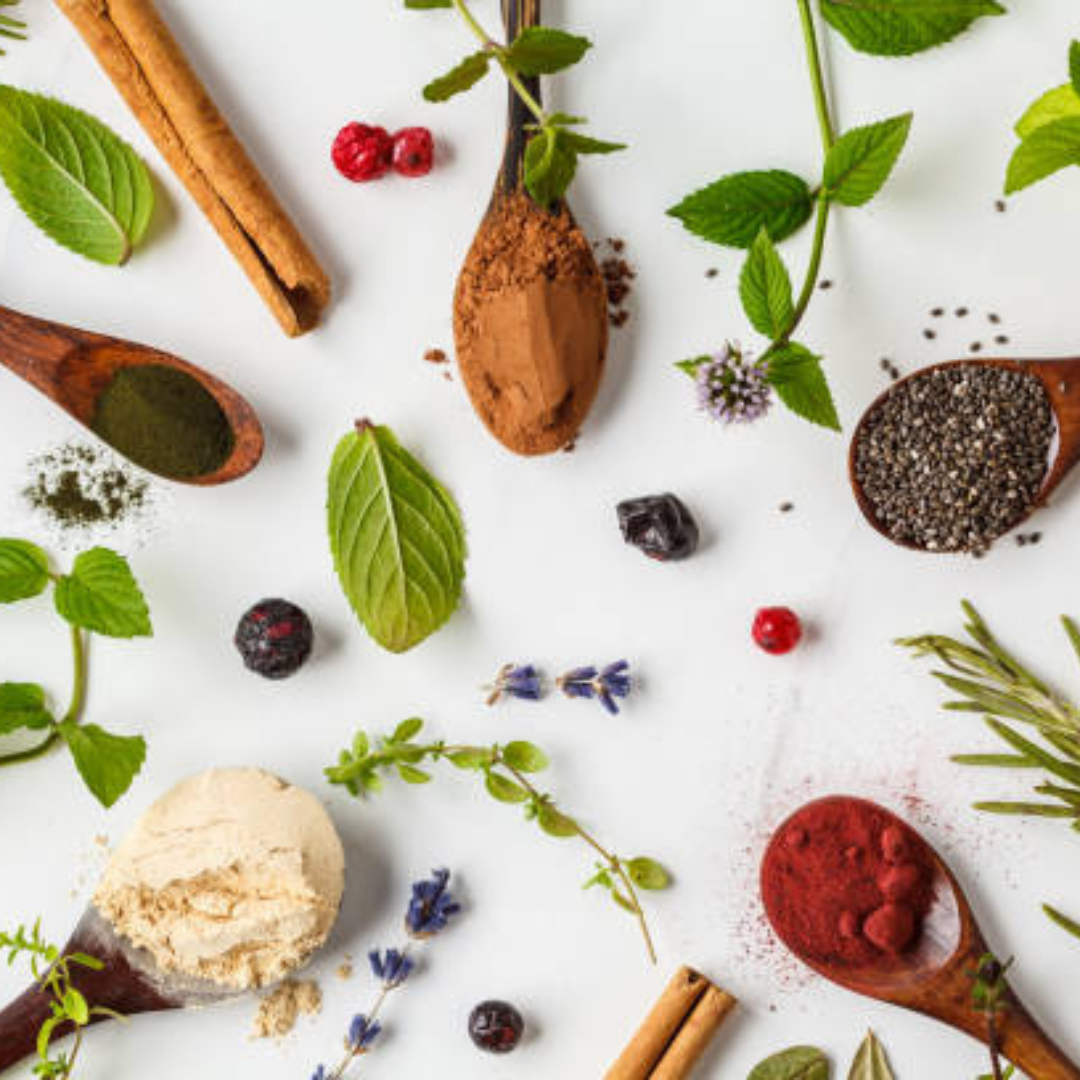
Nature's Pharmacy: Exploring the Benefits of Herbal Supplements for Immune Support
Nature's Pharmacy: Exploring the Benefits of Herbal Supplements for Immune Support
Our immune system is the body's natural defence mechanism against infections and diseases. It operates as a complex network of cells, tissues, and organs that work tirelessly to identify and neutralise harmful pathogens—from common cold viruses to more serious bacterial infections. With the increasing interest in alternative medicine and a focus on holistic health, herbal supplements have gained remarkable popularity for their potential immune-boosting properties. This comprehensive guide will explore the science behind some popular immune-supporting herbs and provide practical guidance on how to safely and effectively use these natural remedies to strengthen your body's defences.
Quick pick
Compare the top picks in this guide
Skim the products mentioned here, choose the best fit, and add it to cart without hunting through the article.
| Product | Price | Best for | Buy |
|---|
Not sure which one?
Get a quick product pick
Your match
Need a hand?
Find the right supplement faster
Browse the relevant range or ask our team for a quick recommendation.
Understanding Herbal Supplements and Their Role in Immune Health
Herbal supplements, also known as botanical medicine, are derived from plants and have been used for centuries as traditional healing remedies across virtually every culture on Earth. From Traditional Chinese Medicine to African indigenous healing practices, plants have served as humanity's first pharmacy. They are becoming increasingly popular in modern wellness circles due to their natural properties, which can be used to support a variety of bodily functions and help manage conditions and diseases. Herbal supplements contain phytonutrients—powerful plant-based nutrients that provide protective benefits against damage caused by free radicals in the environment.
Phytonutrients include a vast array of compounds such as flavonoids, polyphenols, terpenes, alkaloids, and saponins. These bioactive substances interact with our immune cells in sophisticated ways—stimulating the production of white blood cells, modulating inflammatory responses, and providing direct antimicrobial activity. Unlike synthetic pharmaceuticals that often target a single pathway, herbal remedies tend to work through multiple mechanisms simultaneously, which is why they are often described as having a "broad-spectrum" effect on health.
It is important to understand that herbal supplements are not a replacement for conventional medical treatment but rather a complementary approach that can enhance your overall immune resilience. When used correctly, they can form a vital part of a proactive health strategy, particularly during the South African winter months when colds and flu are most prevalent.
Building a Strong Foundation for Immune Health
To get the most out of herbal supplements for immune support, it's best to take them on a regular basis in combination with other lifestyle and dietary changes. Think of your immune system as a fortress—herbal supplements are powerful reinforcements, but the foundation must be solid. Here are the essential pillars of immune health:
- Nutrient-dense diet: Increase your intake of fruits, vegetables, and whole grains rich in vitamins A, C, D, E, and zinc. These micronutrients are essential cofactors for immune cell function.
- Adequate hydration: Drinking plenty of water supports the lymphatic system, which is responsible for transporting immune cells throughout the body.
- Regular exercise: Moderate physical activity improves circulation, reduces stress hormones, and promotes the efficient movement of immune cells.
- Restful sleep: During sleep, your body produces cytokines—proteins that help fight infection and inflammation. Adults should aim for 7-9 hours of quality sleep each night. Consider natural sleep support supplements if you struggle with restful sleep.
- Stress management: Chronic stress suppresses immune function by elevating cortisol levels. Adaptogenic herbs, meditation, and breathing exercises can help manage stress effectively.
- Gut health: Approximately 70% of your immune system resides in your gut. Maintaining a healthy microbiome with quality probiotics and prebiotic-rich foods is essential for robust immune function.
Powerful Immune-Supporting Herbs: A Detailed Guide
Here are some of the most well-researched and effective herbs you may want to consider adding to your daily health regimen:
Echinacea: The Immune Stimulator
This herb has been studied extensively for its anti-inflammatory and antiviral properties, making it beneficial for fighting off colds and flu-like symptoms. Native to North America and used for centuries by indigenous peoples, echinacea is now one of the most widely studied herbs in modern phytotherapy. It boosts white blood cell production—particularly natural killer cells and macrophages—which helps keep your immune system strong and responsive to threats.
Research published in the journal The Lancet Infectious Diseases found that echinacea can reduce the risk of developing a cold by 58% and reduce the duration of colds by an average of 1.4 days. The most commonly used species are Echinacea purpurea and Echinacea angustifolia, with the root and aerial parts containing the highest concentration of active compounds.
How to use: Echinacea is most effective when taken at the first sign of illness. It can be consumed as a tea, tincture, capsule, or liquid extract. Many practitioners recommend cycling echinacea—taking it for 8-10 weeks followed by a one-week break—to prevent the immune system from becoming desensitised to its effects.
Elderberry: The Antiviral Powerhouse
Elderberry is derived from the fruit of the Sambucus nigra tree and has been used for centuries as a natural remedy for colds, flu, and respiratory infections. It is exceptionally rich in antioxidants—particularly anthocyanins, which give the berries their deep purple colour—and has potent antiviral properties. Some studies have found that elderberry may help reduce the duration of flu symptoms by up to four days and significantly enhance immune response.
A 2019 meta-analysis published in Complementary Therapies in Medicine concluded that elderberry supplementation substantially reduced upper respiratory symptoms caused by viral infections. The mechanism appears to involve elderberry's ability to prevent viruses from entering and replicating within host cells, essentially blocking the infection at its earliest stages.
How to use: Elderberry can be consumed as a syrup, tea, lozenge, or supplement capsule. Elderberry syrup is particularly popular during the South African winter season and can be taken daily as a preventative measure or in higher doses at the onset of illness. It is important to note that raw elderberries should never be consumed as they contain compounds that can cause nausea—always use properly prepared elderberry products.
Ginger: The Anti-Inflammatory Healer
Ginger (Zingiber officinale) is well known for its powerful anti-inflammatory effects due to its active ingredient gingerol, which helps reduce inflammation throughout the body. This warming root has been a cornerstone of Ayurvedic and Traditional Chinese Medicine for thousands of years. Beyond its anti-inflammatory properties, ginger is also an effective remedy for nausea, digestive issues such as indigestion or upset stomachs, and has demonstrated antimicrobial activity against several strains of bacteria.
Research has shown that ginger can enhance the immune response by stimulating the production of T-cells and boosting the activity of macrophages. Its thermogenic properties—the ability to generate heat in the body—also contribute to its immune-supportive role, as slightly elevated body temperature can help the immune system function more efficiently.
How to use: Fresh ginger can be grated into hot water for a soothing tea, added to stir-fries and soups, or blended into smoothies. Ginger supplements are also available in capsule form for those who prefer a more concentrated dose. For immune support, aim for 1-3 grams of ginger daily, either fresh or as a standardised extract.
Turmeric: The Golden Anti-Inflammatory
This vibrant golden root has potent antioxidant properties that help reduce inflammation in the body and protect cells from damage caused by free radicals in the environment. The primary active compound in turmeric is curcumin, which has been the subject of over 12,000 peer-reviewed studies. Turmeric also aids digestion, supports a healthy heart, boosts brain function, and has demonstrated remarkable immunomodulatory properties.
Curcumin has been shown to modulate the activation of T-cells, B-cells, macrophages, neutrophils, and natural killer cells. It can both stimulate and suppress immune function depending on the body's needs, making it a true immunomodulator rather than simply an immune stimulant. This is particularly valuable for individuals dealing with autoimmune conditions or chronic inflammation.
How to use: One important consideration with turmeric is bioavailability—curcumin is poorly absorbed on its own. Combining turmeric with black pepper (which contains piperine) can increase absorption by up to 2,000%. Taking turmeric with a source of healthy fat also enhances absorption, as curcumin is fat-soluble. Turmeric can be enjoyed as golden milk (a warm drink made with turmeric, milk, and spices), added to curries and soups, or taken as a supplement.
Astragalus: The Adaptogenic Shield
Astragalus (Astragalus membranaceus) is a staple of Traditional Chinese Medicine that deserves a prominent place in any immune support regimen. This adaptogenic herb has been used for over 2,000 years to strengthen the body's resistance to disease. Modern research has confirmed that astragalus contains polysaccharides, saponins, and flavonoids that stimulate the immune system by increasing the production of white blood cells and enhancing the body's production of interferon—a protein crucial for antiviral defence.
How to use: Astragalus is best used as a long-term tonic rather than an acute remedy. It can be taken as a capsule, tincture, or brewed as a tea. Unlike echinacea, astragalus is generally considered safe for daily long-term use and is particularly beneficial during seasonal transitions.
Olive Leaf Extract: South Africa's Own Immune Defender
Particularly relevant to South Africans, olive leaf extract is derived from the leaves of the olive tree and contains a powerful compound called oleuropein. This polyphenol has demonstrated significant antiviral, antibacterial, and antifungal properties. Research suggests that oleuropein interferes with the ability of viruses to replicate and spread, while simultaneously stimulating the immune system's phagocytic response—the process by which immune cells engulf and destroy pathogens.
How to use: Olive leaf extract is widely available in liquid and capsule form. It can be taken daily as a preventative measure or in higher doses during acute illness. Its broad-spectrum antimicrobial activity makes it one of the most versatile herbal immune supports available.
The Importance of Vitamins and Minerals Alongside Herbs
While herbal supplements offer remarkable immune support, they work best when your body has adequate levels of essential vitamins and minerals. Key nutrients for immune function include:
- Vitamin C: Perhaps the most well-known immune nutrient, vitamin C supports the production and function of white blood cells and acts as a powerful antioxidant. South Africans can obtain vitamin C from citrus fruits, guavas, peppers, and supplementation.
- Vitamin D: Often called the "sunshine vitamin," vitamin D plays a critical role in activating immune defences. Despite South Africa's abundant sunshine, many South Africans are deficient due to indoor lifestyles and sunscreen use. Supplementation may be necessary, particularly during winter.
- Zinc: This essential mineral is required for the development and function of immune cells. Zinc deficiency is surprisingly common and can significantly impair immune response. Food sources include pumpkin seeds, legumes, nuts, and red meat.
- Selenium: An important trace mineral that supports antioxidant defence and helps regulate immune function. Brazil nuts are one of the richest dietary sources.
Practical Ways to Incorporate Herbal Supplements Into Your Daily Routine
One of the most enjoyable and effective ways to incorporate herbal supplements into your daily routine is by making smoothies with fresh fruits and vegetables along with dried herbs or powdered extracts. Combining superfoods with immune-supporting herbs creates a delicious and nutrient-dense drink that can become a cornerstone of your morning wellness ritual.
Here are some practical strategies for making herbal supplementation a sustainable habit:
- Morning immune tonic: Start your day with warm water, fresh lemon juice, grated ginger, a pinch of turmeric, and a dash of black pepper. This simple ritual primes your digestive system and delivers a potent dose of immune-supporting compounds.
- Smoothie boosters: Add powdered turmeric, ginger, or superfood blends to your morning smoothie alongside fruits, leafy greens, and a source of healthy fat such as avocado or coconut oil.
- Herbal teas: Replace one or two of your daily caffeinated beverages with immune-supporting herbal teas such as echinacea, ginger, or rooibos (a South African favourite rich in antioxidants).
- Supplement schedule: If you prefer capsules or tinctures, set a consistent time each day—such as with breakfast or dinner—to take your herbal supplements. Consistency is key to experiencing their full benefits.
- Cooking with herbs: Incorporate immune-supporting herbs and spices liberally into your cooking. Turmeric in curries, ginger in stir-fries, garlic in sauces—culinary medicine is both delicious and effective.
- Immune-support kits: Consider creating a seasonal immune support kit with your preferred combination of herbs, vitamins, and minerals so you're prepared when cold and flu season arrives.
Safety Considerations and Best Practices
While herbal supplements are generally considered safe, it is essential to approach them with the same respect you would give to any therapeutic substance. Here are important safety guidelines to keep in mind:
- Consult a healthcare professional: Before starting any new supplement regimen, especially if you are pregnant, breastfeeding, taking prescription medications, or managing a chronic health condition, consult with your doctor or a qualified herbalist.
- Start slowly: When introducing a new herbal supplement, start with a lower dose to assess your body's response before increasing to the recommended dosage.
- Quality matters: Choose supplements from reputable brands that adhere to Good Manufacturing Practices (GMP) and provide third-party testing for purity and potency. Look for standardised extracts when possible.
- Be aware of interactions: Some herbs can interact with pharmaceutical medications. For example, echinacea may interact with immunosuppressant drugs, and turmeric may interact with blood-thinning medications.
- Listen to your body: If you experience any adverse reactions such as digestive upset, skin rashes, or headaches, discontinue use and consult a healthcare professional.
- Store properly: Keep herbal supplements in a cool, dry place away from direct sunlight to maintain their potency and shelf life.
Building Long-Term Immune Resilience
True immune health is not about taking a single supplement when you feel a cold coming on—it's about building long-term resilience through consistent, holistic lifestyle practices. Herbal supplements are most effective when they form part of a broader wellness strategy that includes proper nutrition, regular movement, adequate rest, effective stress management, and a healthy gut microbiome.
South Africa's rich biodiversity means we have access to an extraordinary range of indigenous and cultivated medicinal plants. From roo